Japan? category ?
-

Myomanji temple (Kyoto) : The Legendary Bell
Myomanji Temple is the head temple of the Kenpon Hokke sect. This is the place associated with the legend of Kiyohime, who fell in love with the monk Anchin but was rejected, and then transformed into a giant snake to pursue him. The garden known as the "Snow Garden" is also famous. -
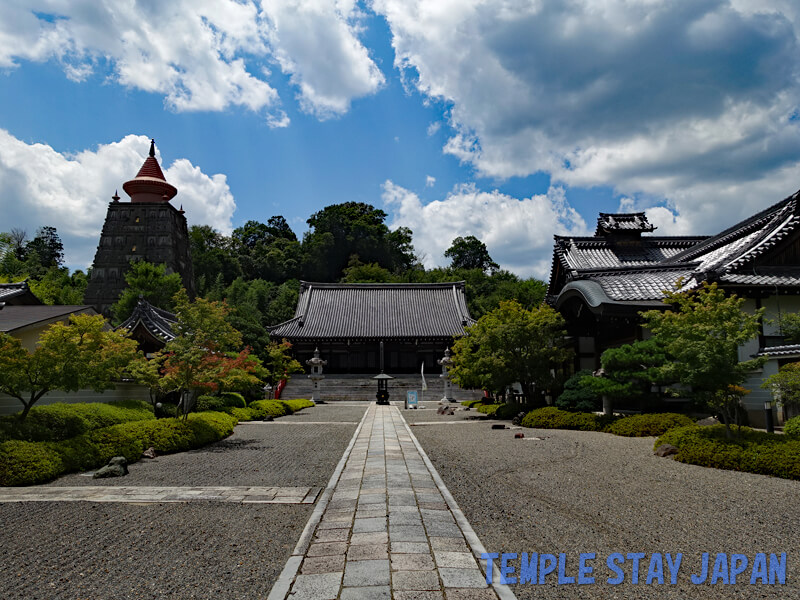
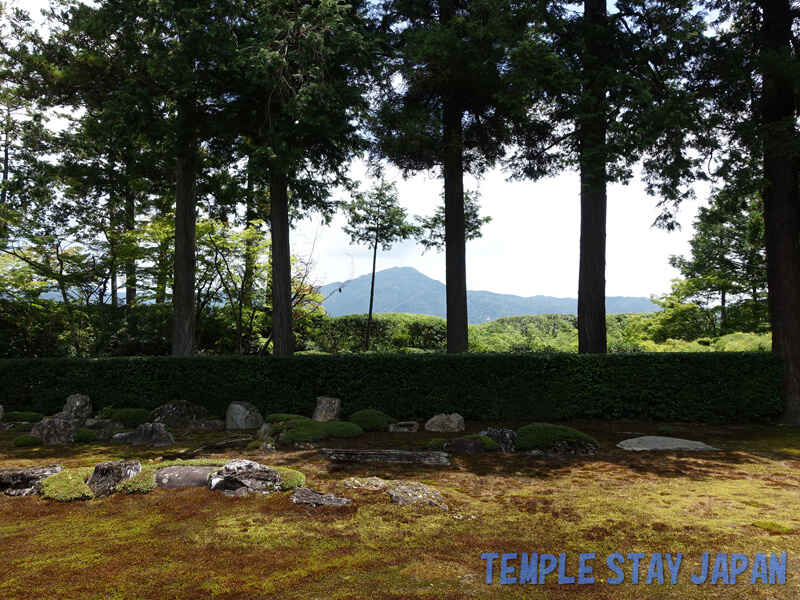
Entsuji temple (Kyoto) : A prime example of a borrowed-scenery garden
This temple was originally a detached palace built by Emperor Go-Mizunoo in 1639. Later, in 1678, it became a temple of the Rinzai school of Zen Buddhism. The dry landscape garden in front of the guest hall is said to have been built in a location that offers the most beautiful view of Mount Hiei. -
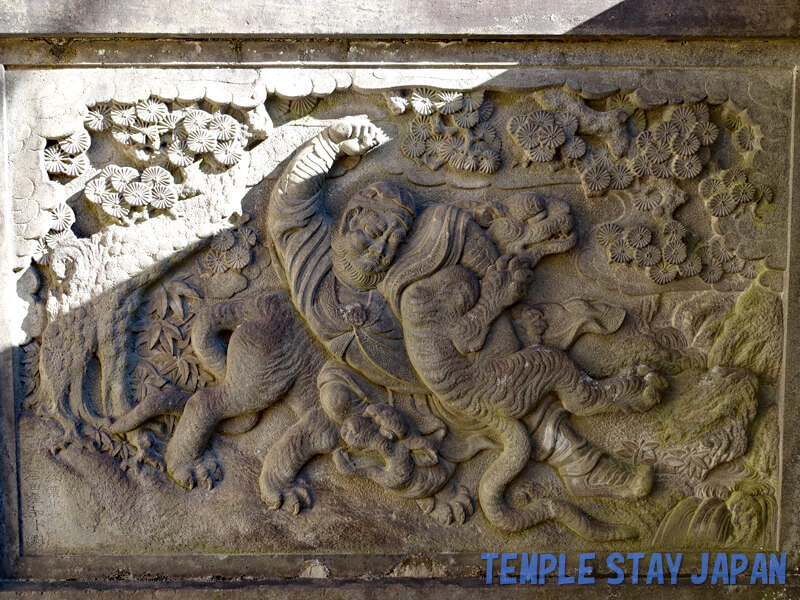
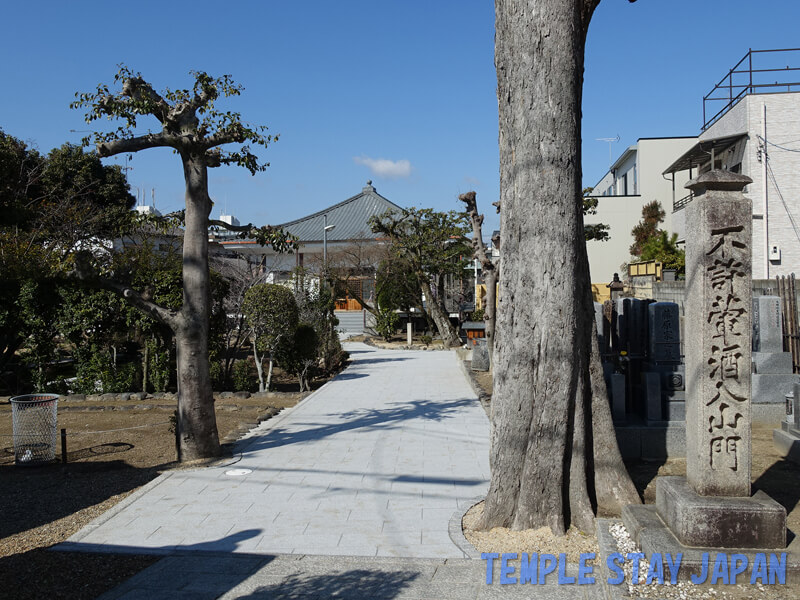
Takanawa shrine (Tokyo) : Slaying the Tiger and the Giant Serpent
This shrine was founded around 1492ー1501. The stone gate features carvings depicting the slaying of a tiger and a giant serpent. This is based on a Chinese historical anecdote about Zhou Chu, who slew a creature that was terrorizing his village, only to discover that he himself was also feared. -
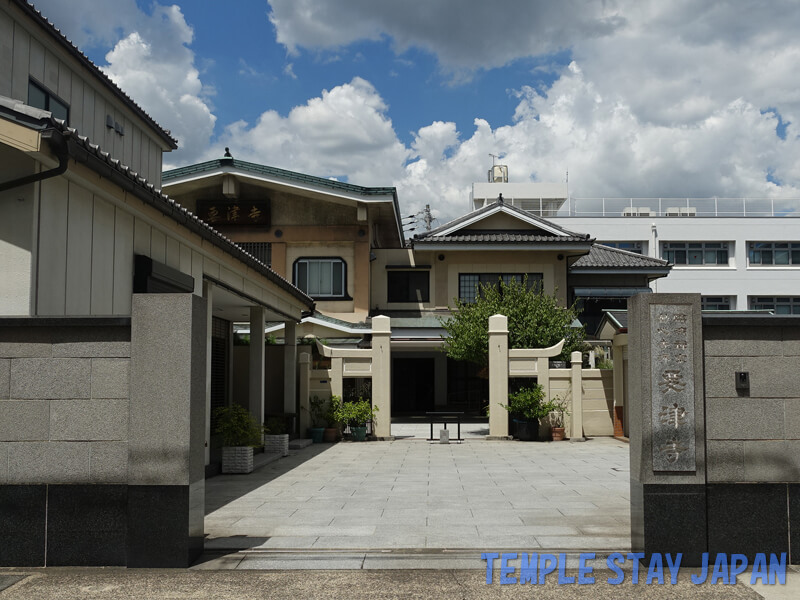
Yoshinji temple (Tokyo) : The Makino Family Grave
This temple was founded around 1648ー1652. Although the temple was abandoned following a fire in 1682, Makino Narisada donated a portion of his estate, allowing it to be re-established at its current location. The Makino family grave within the temple grounds is one of the few daimyo (feudal lord) tombs found in Tokyo. -
Seishokoji temple (Tokyo)
This temple is dedicated to the Sengoku-period warlord Kato Kiyomasa. Because he fostered the development of Kumamoto and built numerous temples of the Nichiren sect, he became the object of a unique form of worship after his death. He has also become a guardian deity of civil engineering works. -
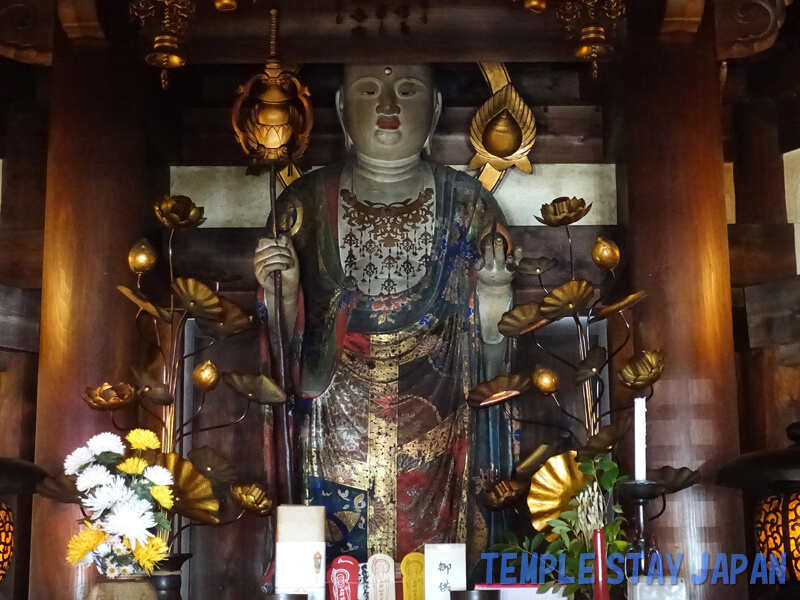
Tokurinan temple (Kyoto) : Yamashina-jizo (Legendary Statue of Ksitigarbha)
This temple was founded in 1550. It was located a short walk from Yamashina Station. A statue of Jizo Bosatsu (Ksitigarbha), standing about 3 meters (9.84 ft) tall, was enshrined inside the hall. This is one of the six statues created by Ono no Takamura in 852. -
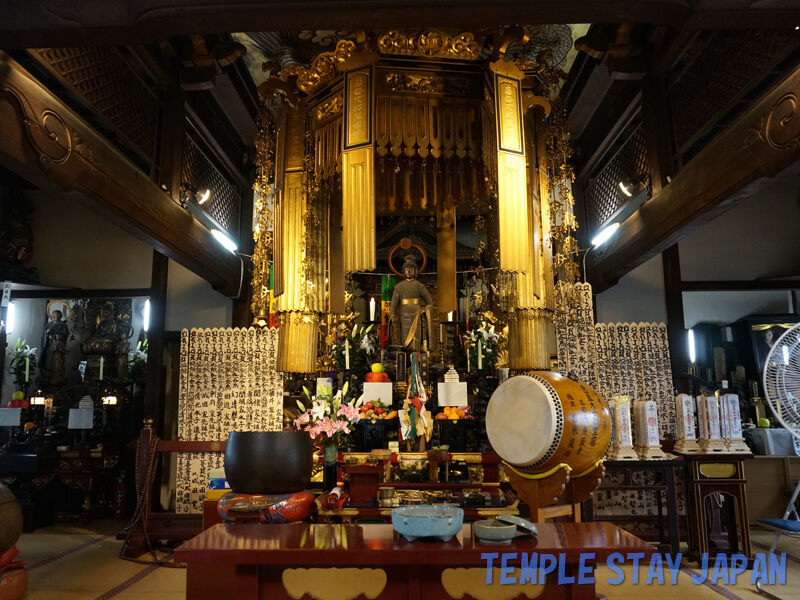
Gonjoji temple (Kyoto) : Fushimi-Daibutsu (Great Buddha)
This is a temple with a large Buddha statue enshrined in the main hall. It is known as the Great Buddha of Fushimi. It is not usually open to the public for viewing, but it is sometimes specially opened for events. There is a well within the temple grounds associated with Fukakusa no Shosho. -
Gyoranji temple (Tokyo) : A Buddhist statue holding a fish basket
At Gyoranji Temple, the principal image - Gyoran Kannon - is specially exhibited to the public on the second Saturday of May. On this day, anyone can enter the main hall to pray. It was an unusual Kannon Bodhisattva (Avalokitesvara), holding a basket containing fish in its right hand. -
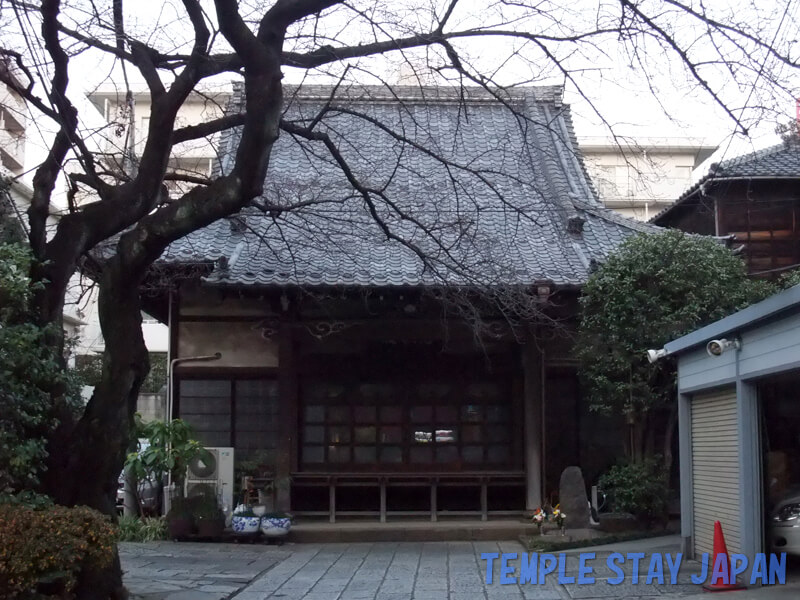
Daishinji temple (Tokyo)
This temple was founded in 1611. It has been known as the "Shamisen Temple" since the burial of Ishimura Genzaemon , who is considered the originator of shamisen making. The shamisen is a traditional Japanese three-stringed instrument. In the spring, the cherry blossoms are illuminated at night. -
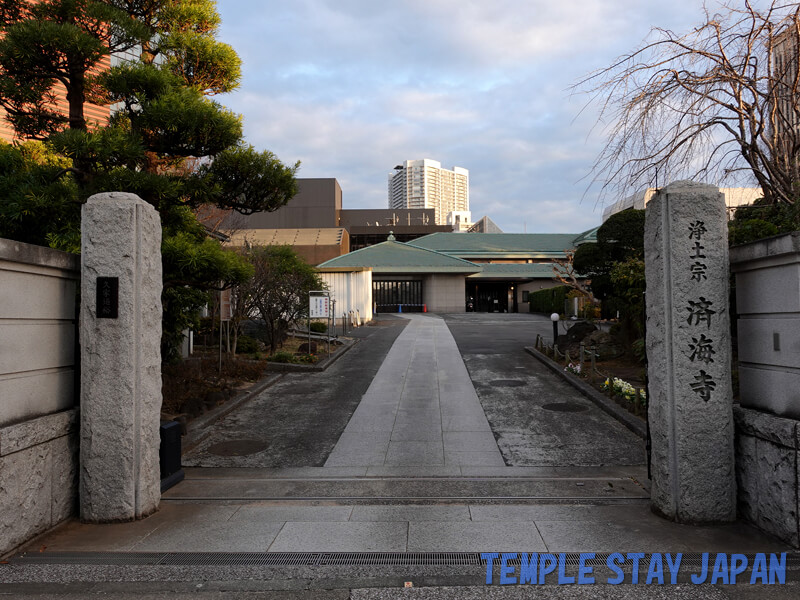
Saikaiji temple (Tokyo) : Site of the First French Legation
This is the temple where the first French legation in Japan was established in 1859. It is designated as a historic site by the Tokyo Metropolitan Government. The exterior of the main hall is a modern building. It is the 26th temple on the Edo 33 Kannon Pilgrimage.