Japan? category ?
-

Choshoji temple (Tokyo)
It is a Jodo-sect temple. The grave of Ogyu Sorai, a Confucian scholar from the mid-Edo period (17th-18th centuries), is located within the temple grounds. -
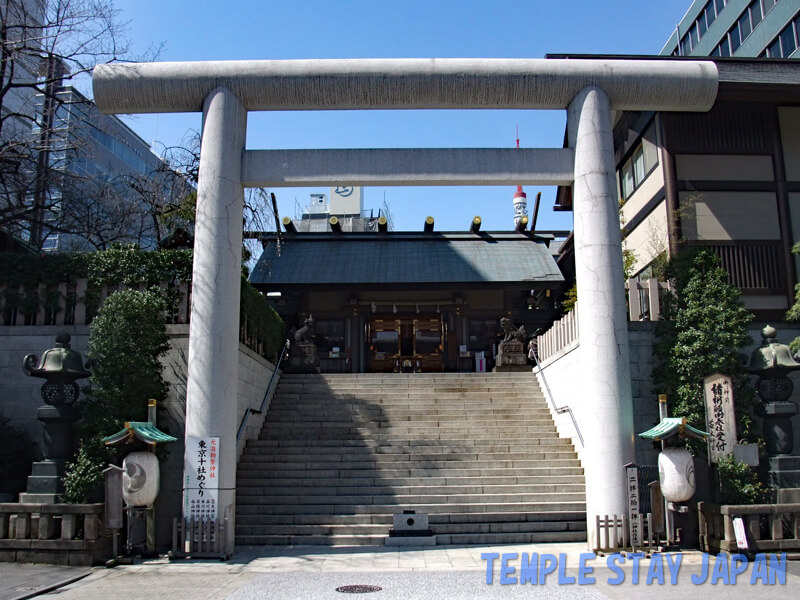
Shiba Daijingu shrine (Tokyo) : Ise Grand Shrine in Tokyo
This shrine was founded in 1005. It enjoyed generous protection from the Tokugawa Shogunate and garnered a large following as the "Ise Grand Shrine of Tokyo."It is just a short walk from Hamamatsucho Station or Daimon Station, and Zojoji Temple is also nearby. -
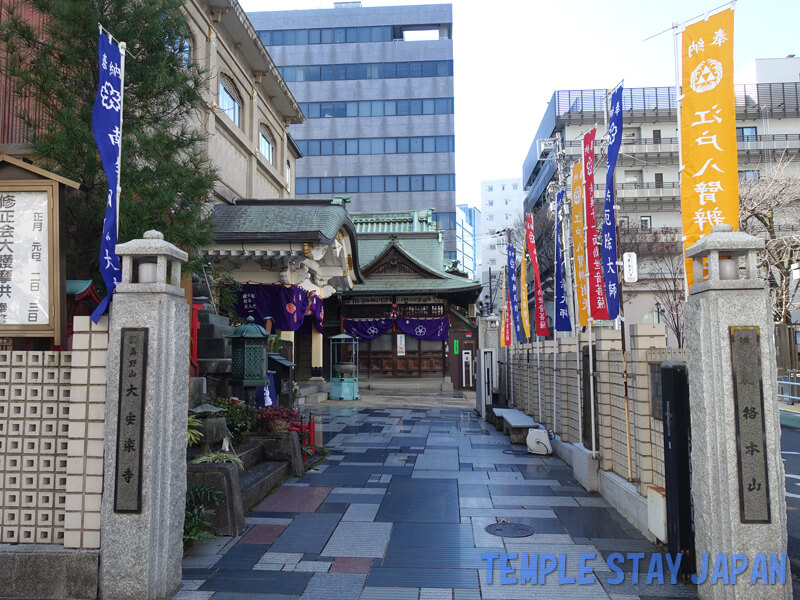
Daianrakuji temple (Tokyo) : Memorial services for executed persons
This area was originally a prison compound for housing inmates. Many people were executed here, including Yoshida Shoin. Daianrakuji Temple was built in 1875 to console the spirits of such people. The statue of Jizo Bodhisattva on the temple grounds has been enshrined to offer prayers for the repose of their souls. -
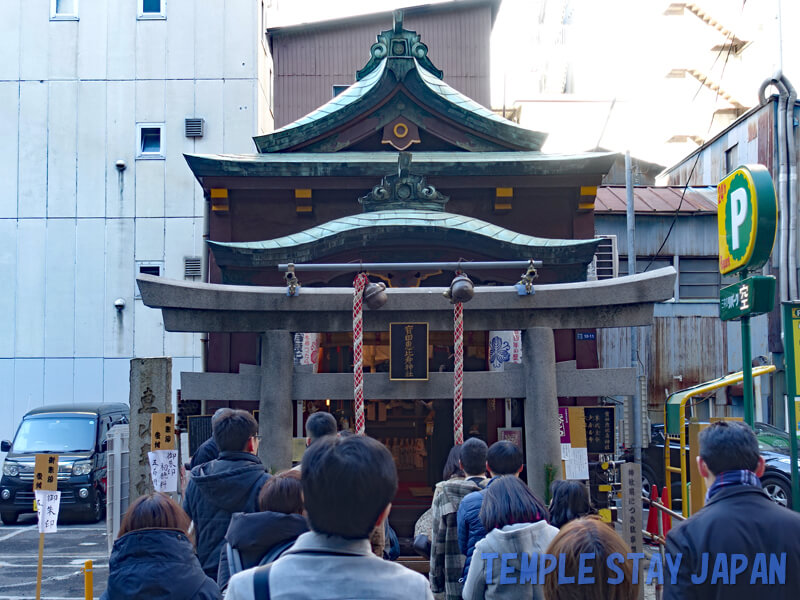
Takarada-ebisu shrine (Tokyo) : October daikon radish pickles
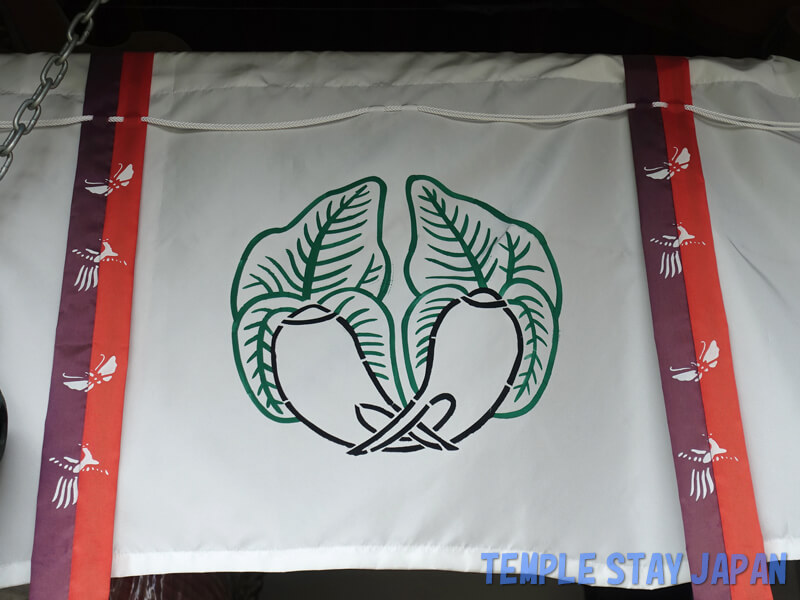
It is a small shrine located in the city. It is usually quiet, but it bustles with worshippers during the New Year's Seven Lucky deities pilgrimage and the festival held on October 19th and 20th. The Bettara - a type of pickled daikon radish sold especially during festivals - has long been known as a local specialty. -
Kabuto shrine (Tokyo) : Guardian deity of the securities industry
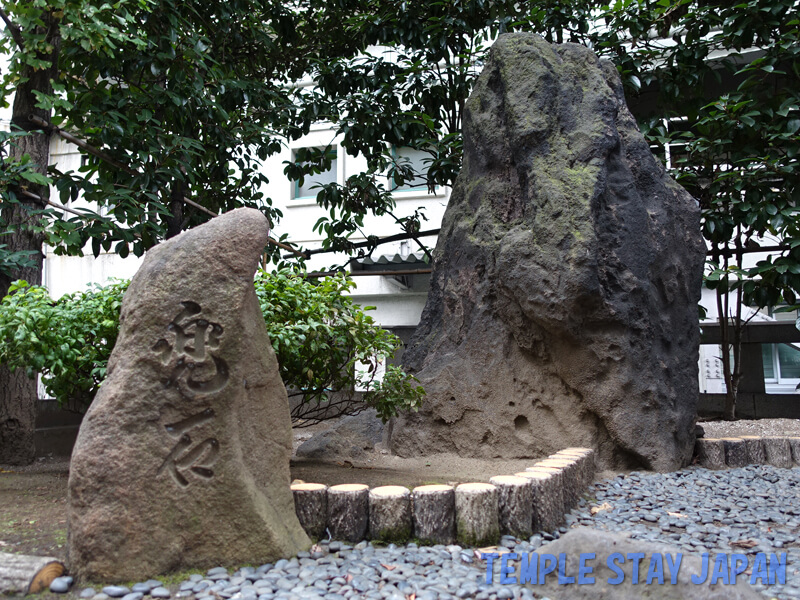
It is a small shrine located right next to the Tokyo Stock Exchange. It is said to be the guardian deity of the securities industry. Although it is usually unmanned, a Shinto ritual is held there every year on April 1st. The stone in the shrine precincts is shaped like the helmet worn by samurai in the past. -
Minobu-betsuin temple (Tokyo) : Pouring oil as an offering of prayer
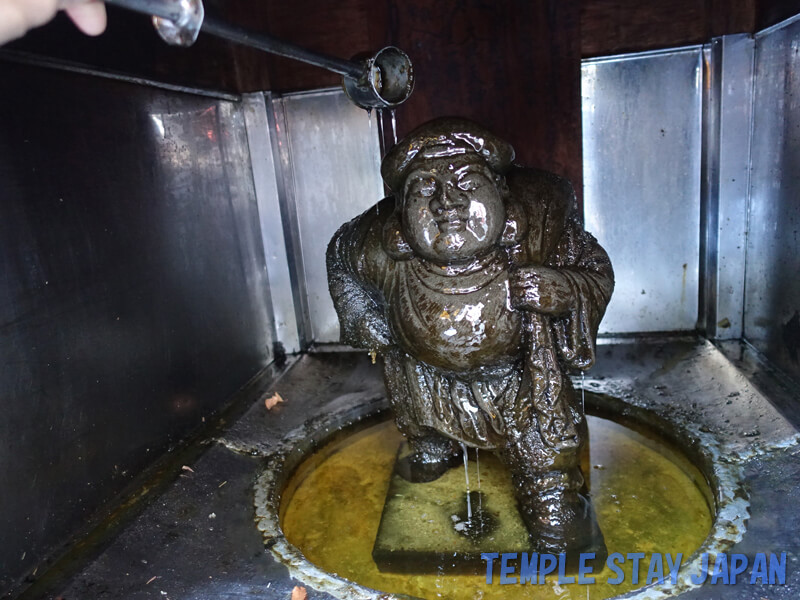
This temple was founded in 1883 as the Tokyo branch of Minobusan Kuonji, the head temple of the Nichiren sect. The Daikokuten (Mahakala) enshrined here grants wishes when oil is poured over it. Anyone is free to do it, so please give it a try when you visit. -
Kashoji (Fukakusa-syoten) temple (Kyoto) : The Two Benefits of Kangiten
This temple was founded in 851. The principal deity is Kangiten (Nandikesvara), depicted as two figures with the heads of elephants and human bodies locked in an embrace. The stone pillar standing at the entrance bore an inscription stating that it was the first Kangiten in Japan. -
Hotoji temple (Kyoto) : Hidden Architectural Gems
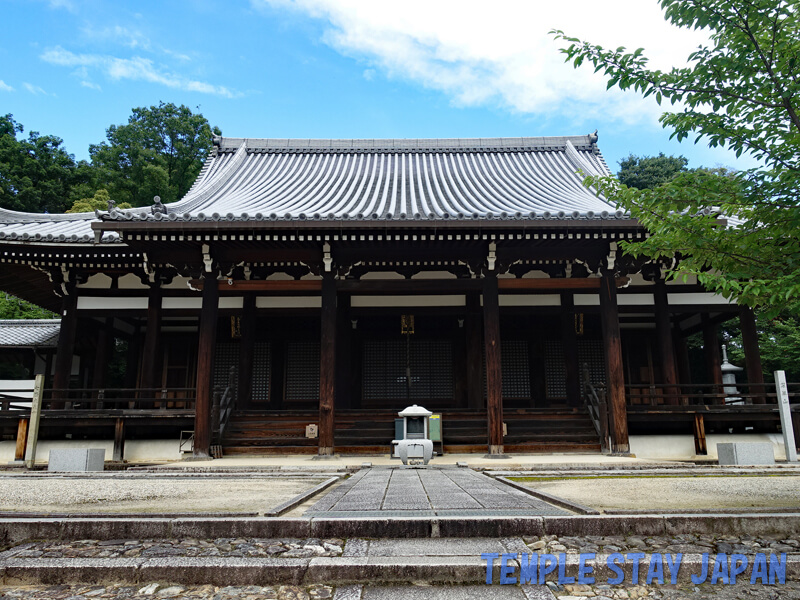
This temple was founded in 899. This temple is usually very quiet, but the grounds contain a valuable temple hall. Behind the main hall, there is a path leading up to Mount Shichimen. It is a secluded spot where you can feel a deep sense of sanctity, so I highly recommend it. -
Sekihoji temple (Kyoto) : The Five Hundred Arhats with expressive faces
Despite being close to Fushimi Inari Taisha, the setting was very quiet and relaxing. The Five Hundred Arhats are one of the temple's most famous attractions and were designed by the 18th-century painter Ito Jakuchu. Each statue had such a rich expression that simply looking at them was a delight. -
Shorenin-Monzeki temple (Kyoto) : History , Highlights , Access
It is said that this temple originated as a dwelling for monks built in the mountains when Enryakuji Temple on Mount Hiei was founded in the early 9th century. In the 12th century, Emperor Toba constructed a palace on the present site and renamed it Shorenin. You can visit various temple halls and gardens.