Japan? category ?
-

Sengakuji temple (Tokyo) : The setting of the famous Chushingura story
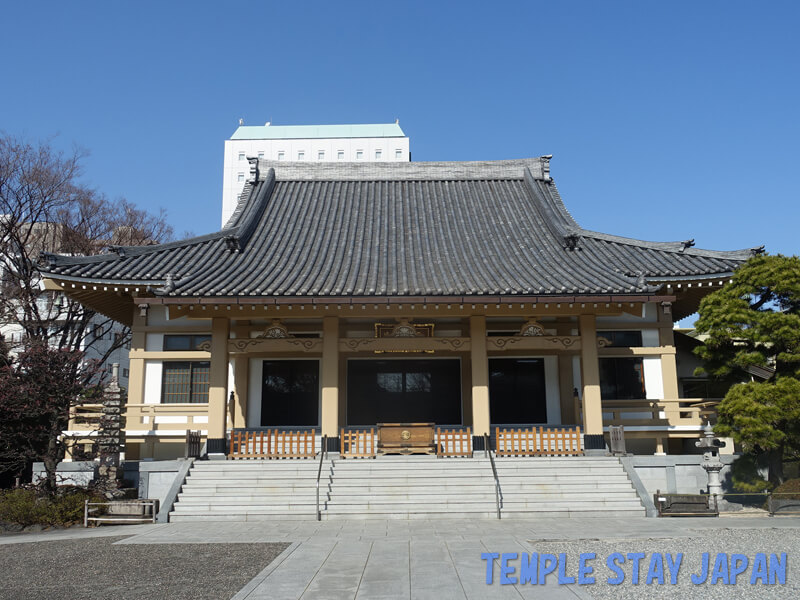
This temple was founded in 1612 by Tokugawa Ieyasu, the first Tokugawa shogun. Sengaku-ji Temple is famous for the story of Chushingura. This is a story of revenge based on historical fact. The act of avenging their master without regard for their own lives has been praised across the ages. -
Sengakuji temple (Tokyo) : The Gishi-sai Festival on December 14
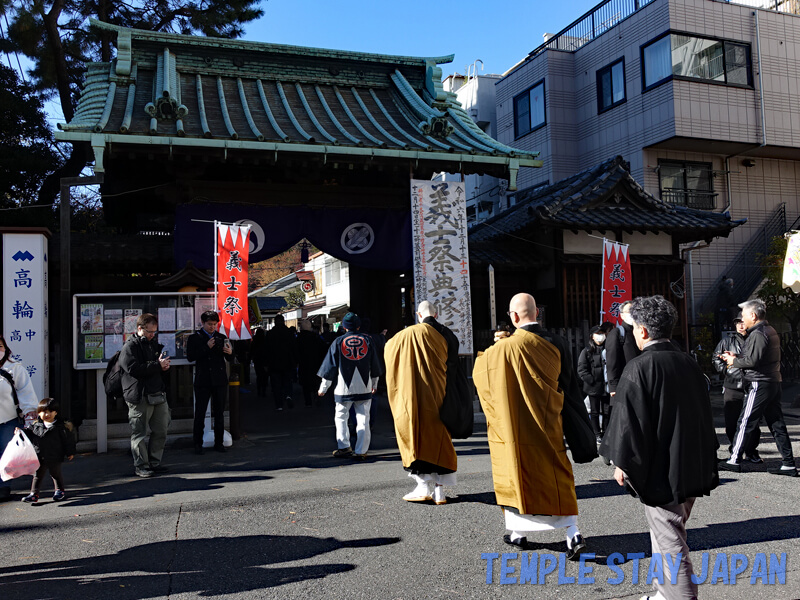
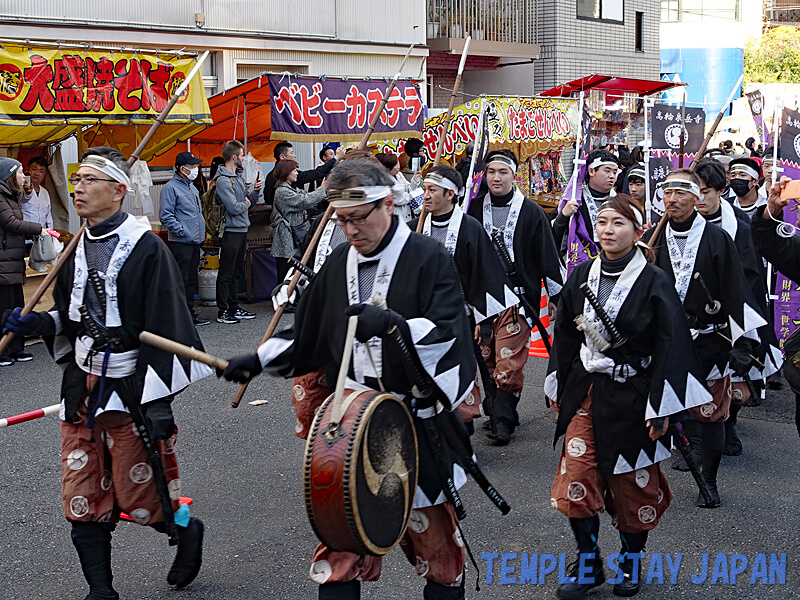
I went to the Gishi-sai (Loyal Retainers' Festival) held every year on December 14th at Sengakuji Temple. The Gishi parade arrived at the temple shortly after 3:00 p.m. This depicts the scene where the retainers who slew Kira Kozuke-no-Suke carried his head to Sengakuji Temple. -
Reiganji temple (Tokyo) : The Ksitigarbha that guarded the gateway to Edo
Reiganji Temple was founded in 1624. Within the temple grounds, there is a statue of Jizo Bosatsu (Ksitigarbha) - originally erected at the gateway to Edo - and the grave of Matsudaira Sadanobu, who restored the finances of the Tokugawa shogunate. -
Fukagawa Shinmeigu shrine (Tokyo) : Origin of the Place Name “Fukagawa”
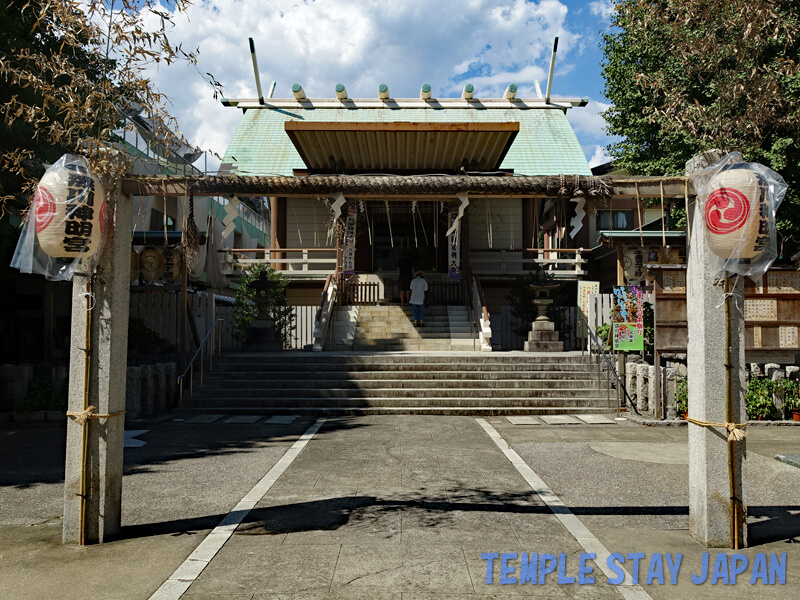
This shrine was founded by Fukagawa Hachirouemon, who settled in this area approximately 400 years ago. At first, a small shrine was built on the estate to enshrine a divided spirit from Ise Grand Shrine. As this area developed, it came to be worshipped by many people. -
Fukagawa Shinmeigu shrine (Tokyo) : The Annual Grand Festival in August
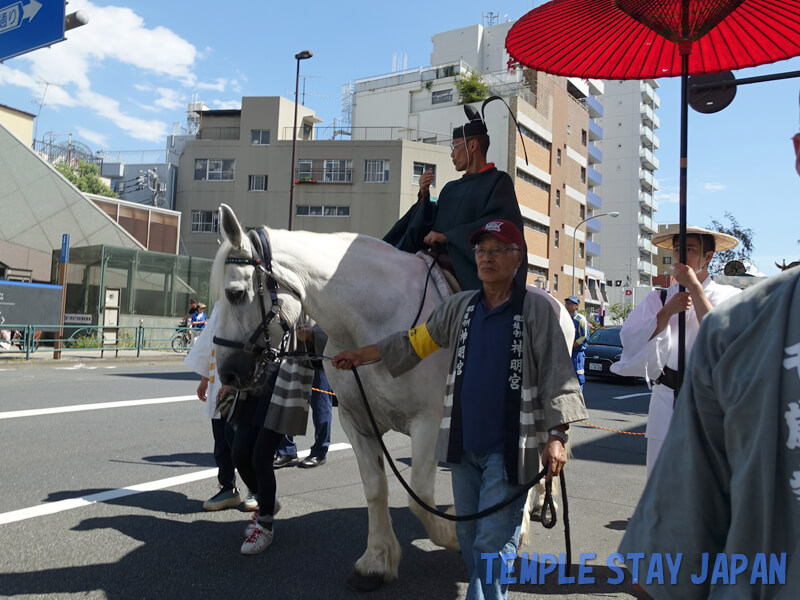
This is the shrine that gave the Fukagawa area its name. The annual grand festival is held on the Sunday closest to August 17th. While walking around the shrine, I was able to see the procession of the portable shrine. A Shinto priest on horseback also passed by. The children were pulling a festival float. -
Tsukuda-Sumiyoshi shrine (Tokyo) : Blessings for maritime safety
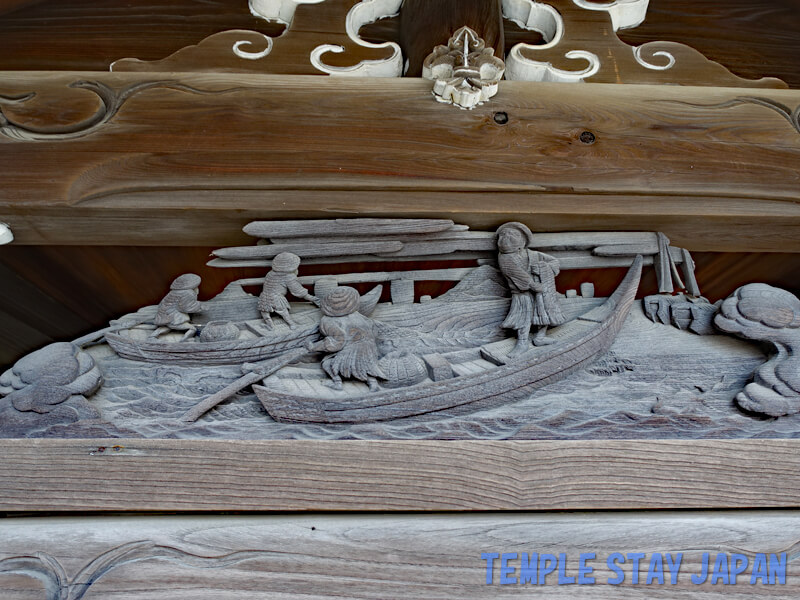
This shrine is dedicated to three deities who emerged from the sea. This area was originally created by reclaiming tidal flats at the mouth of the Sumida River and flourished as a fishing town. For this reason, it was worshipped for the blessing of maritime safety. -
Tsukuda-Sumiyoshi shrine (Tokyo) : Cherry Blossom Festival
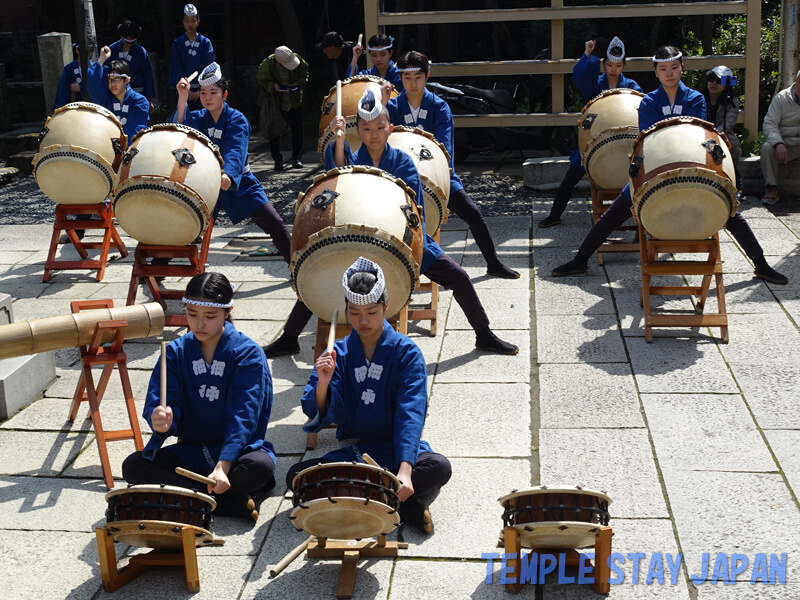
This shrine is located on Tsukudajima, across the Sumida River from the Ginza and Tsukiji areas. It is usually quiet, but the Cherry Blossom Festival held in early April was lively. A Japanese taiko drum performance took place. The sound rang out, and I felt really happy. -
Tsukishima Kannon temple (Tokyo) : A small temple inside a building
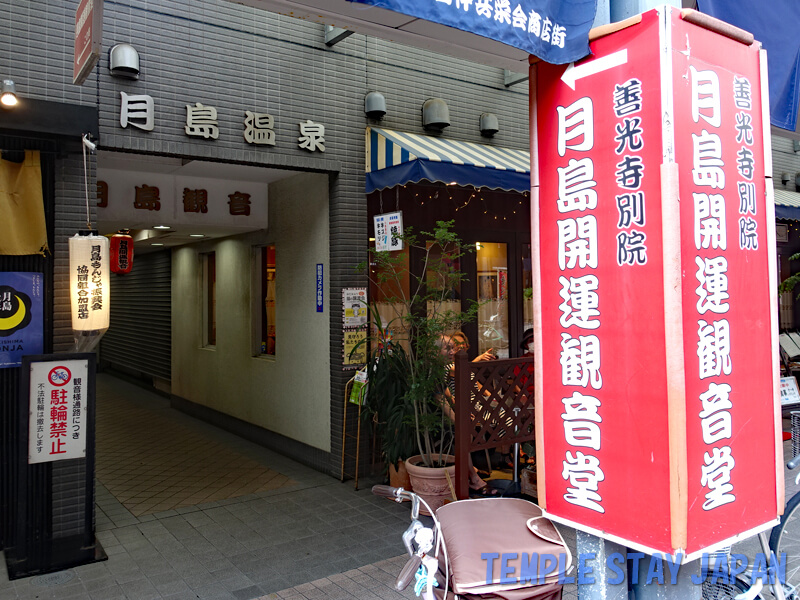
It is a small temple located inside a building and is a branch temple of Zenkoji in Nagano. The principal image is the Amida Triad. The style in which three figures share a single halo is the same as that of Zenkoji. It is said that visiting this place brings good fortune and helps you find lost items. -
Honnoji temple (Kyoto) : A ceremony to release fish into the river
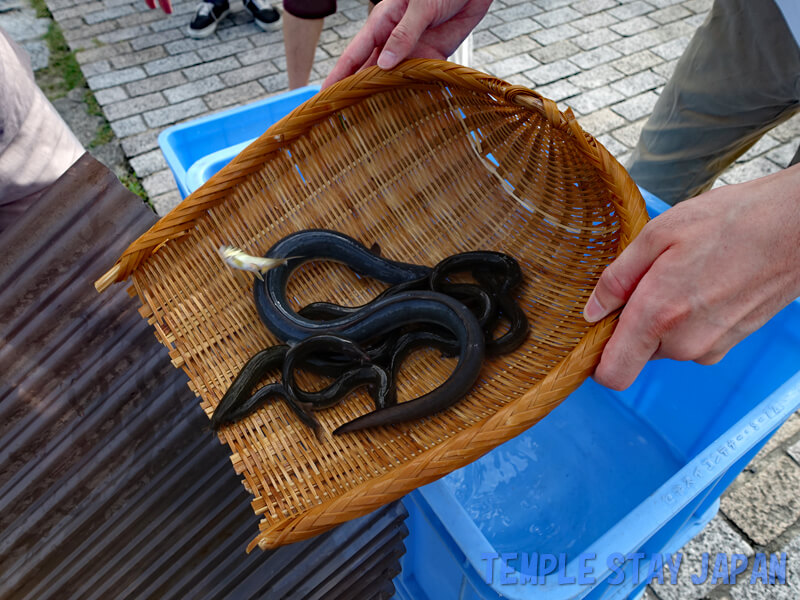
The Hojoe ceremony is held at Honnoji Temple every year on September 15th. This ceremony follows the Buddhist teaching of non-killing and involves releasing eels, loaches, and other fish into the nearby Kamo River. No reservation is required, and anyone can participate for free. -
Honnoji temple (Kyoto) : Most powerful warlord rests
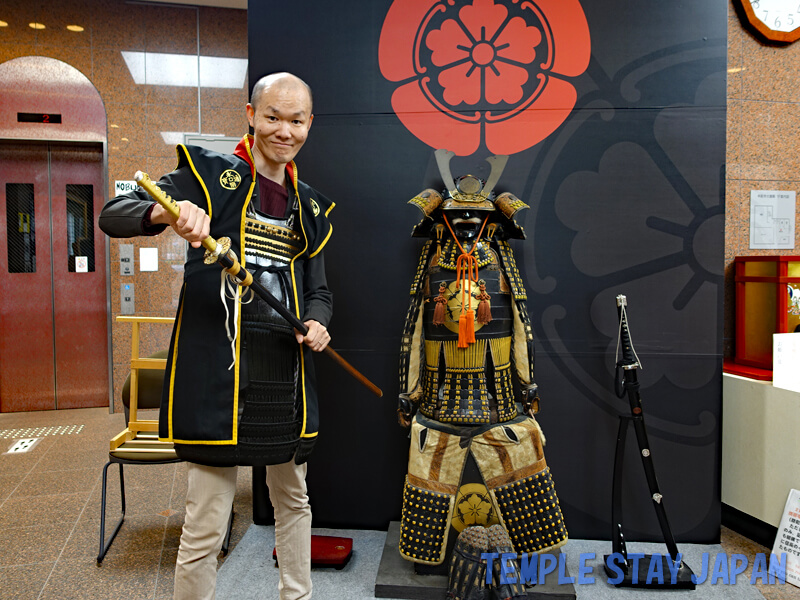
Honnoji Temple is the head temple of the Hokke Honmon school of Buddhism. This is the temple where Oda Nobunaga was betrayed and killed by his subordinate Akechi Mitsuhide. He was one of Japan's most famous warlord and was on the verge of unifying the country.