Japan? category ?
-

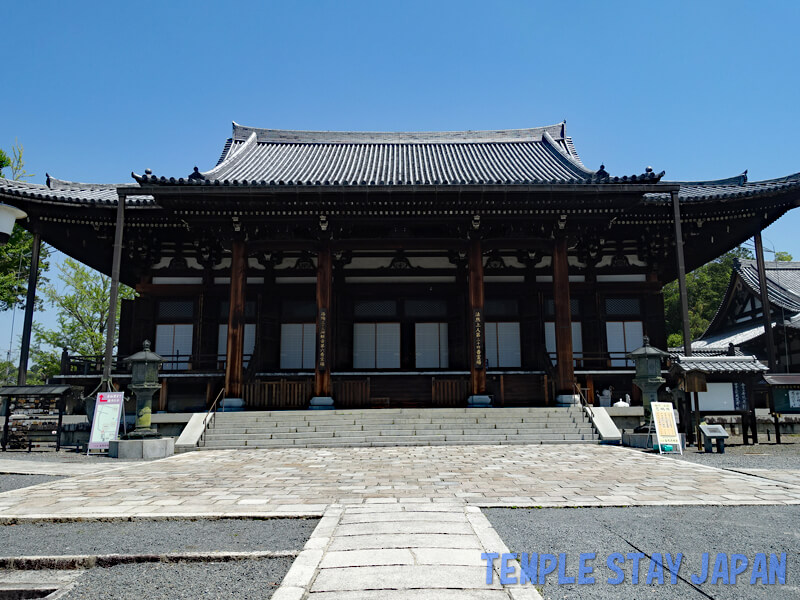
Konkai-Komyoji temple(Kyoto) : Birthplace of the Shinsengumi
Konkai-Komyoji Temple is a head temple of the Jodo sect located in the northeastern part of Kyoto. This temple has served as the setting for two important historical events. This temple has served as the setting for two important historical events. Another point is that the Shinsengumi was formed at this temple in 1863. -
Ichigonji temple (Kyoto) : Grant a single wish
This temple was founded around the 12th century. It is a specially designated head temple of the Shingon-shu Daigo-ha sect. The principal image is the Thousand-Armed Kannon Bodhisattva (Sahasrabhuja). It is said that if you offer a single, heartfelt prayer here, it will be granted. -
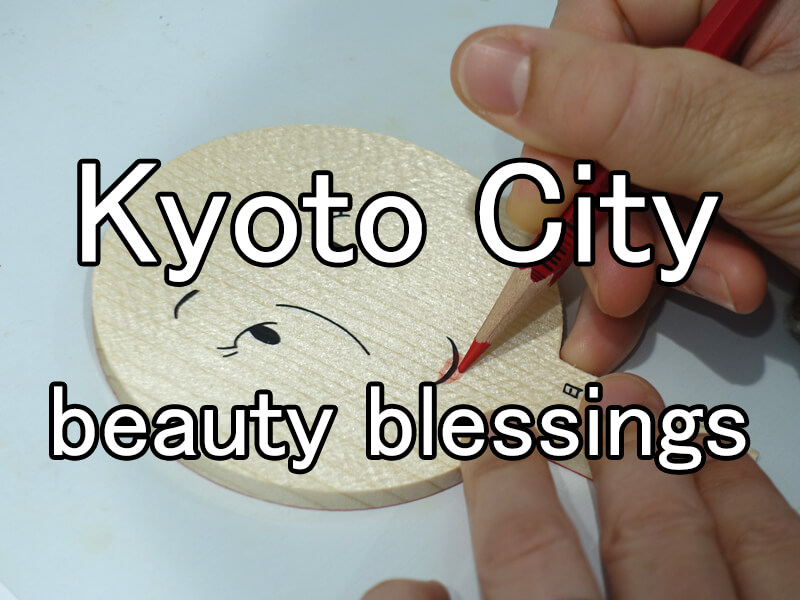
6 Shrines and Temples in Kyoto to Visit for Beauty Blessings
Looking to enhance your beauty during your trip to Kyoto? You may be surprised to learn that some temples and shrines in Kyoto are known for their beauty blessings. Here, we introduce some unique sacred spots where people pray for beauty, radiance, and a more beautiful self. -
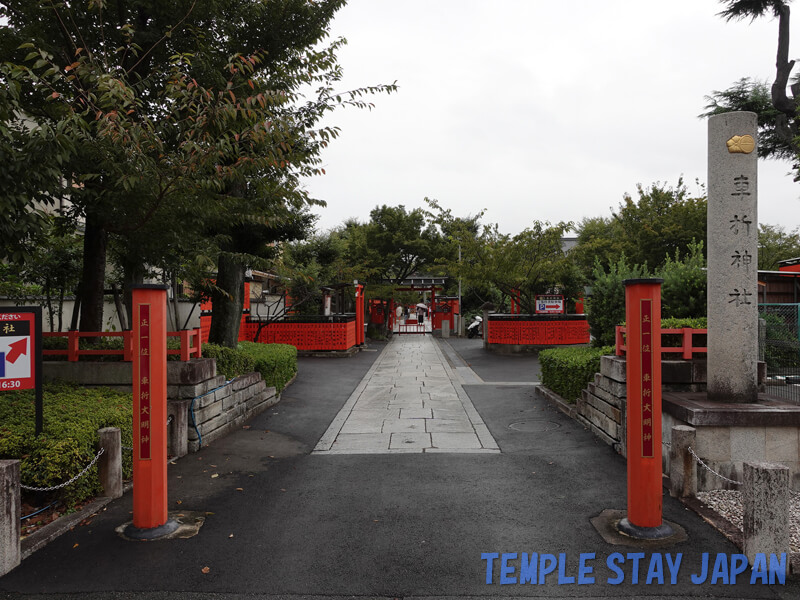
Kurumazaki shrine (Kyoto) : Popular among celebrities
The Geino (entertainment) Shrine located within the shrine precincts is dedicated to Ame-no-Uzume-no-Mikoto, a deity from Japanese mythology known for performing a dance. For this reason, it is known for bestowing blessings for proficiency in the performing arts. -
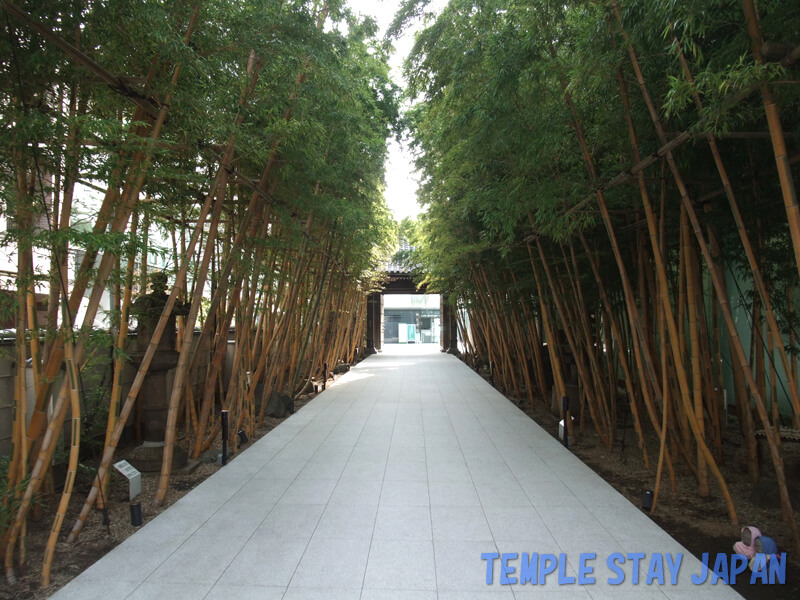
Baisoin temple (Tokyo)
This temple was founded in 1643. The main hall was rebuilt in 2003 based on a design by the renowned architect Kengo Kuma. A variety of cultural activities are held - such as music concerts, cultural lectures, and Buddhist seminars - that are open to everyone. -
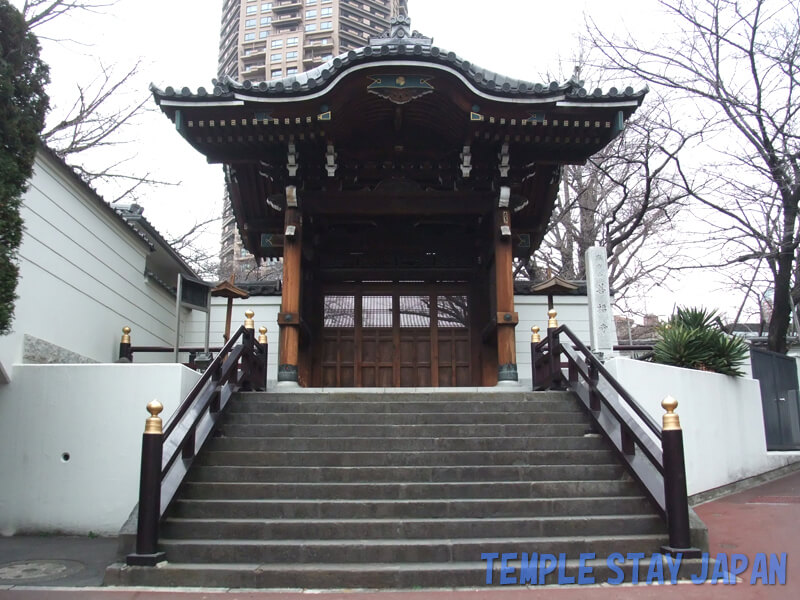
Zenpukuji temple (Tokyo) : First American Legation
This temple was founded by Kobo Daishi Kukai in 824. Originally affiliated with the Shingon sect, the temple converted to Jodo Shinshu after a visit by Shinran Shonin, the founder of that sect during the Kamakura period. In the modern era, it also served as the first American legation. -
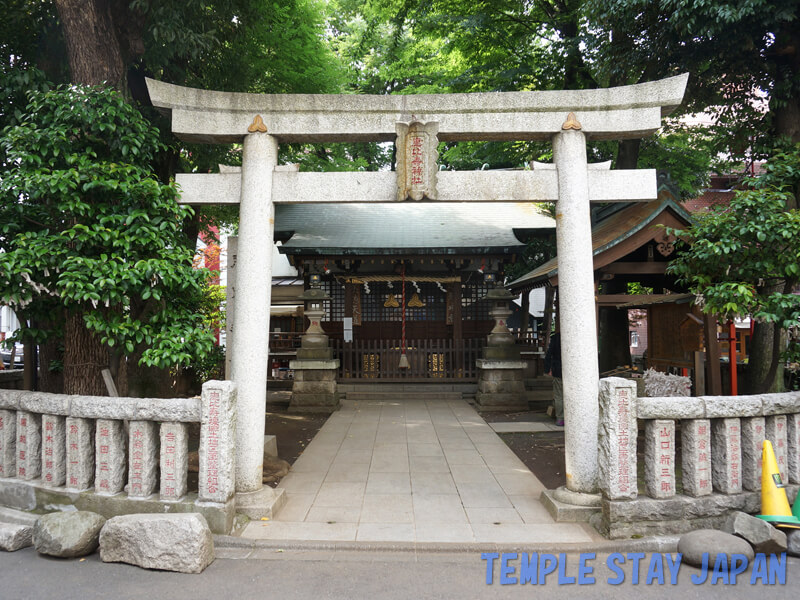
Ebisu shrine (Tokyo)
It is a small shrine located very close to Ebisu Station. It has long been worshipped as a deity that protects this region. It was originally located in front of Ebisu Station, but relocated to its current site in 1959. It is usually quiet, but it comes alive with a festival held every year on October 19th and 20th. -
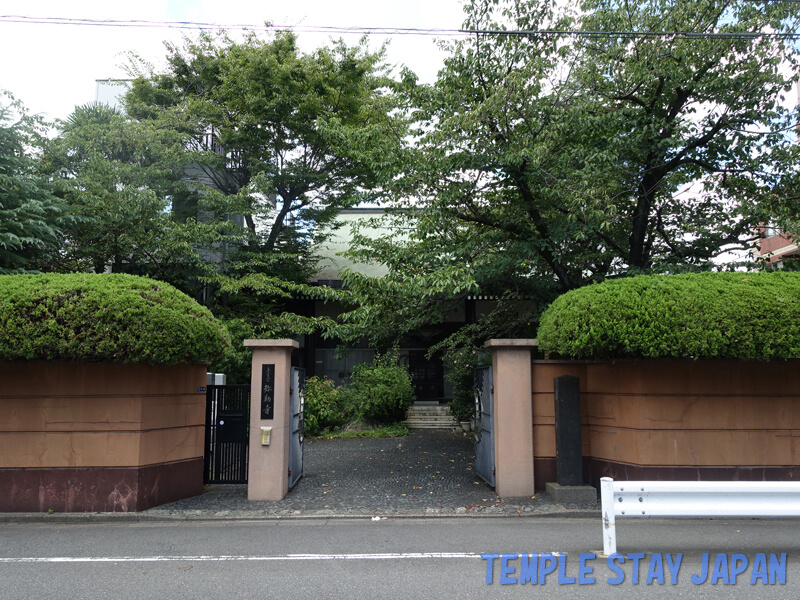
Mirokuji temple (Tokyo) : Grave of the acupuncturist who treated the shogun
Mirokuji is a small temple located in the city. It was founded in 1610 and relocated to its current site in 1689. The grave of the acupuncturist Sugiyama Waichi (1610-1694) is located within the temple grounds. He is known for treating the illness of the fifth shogun, Tokugawa Tsunayoshi. -
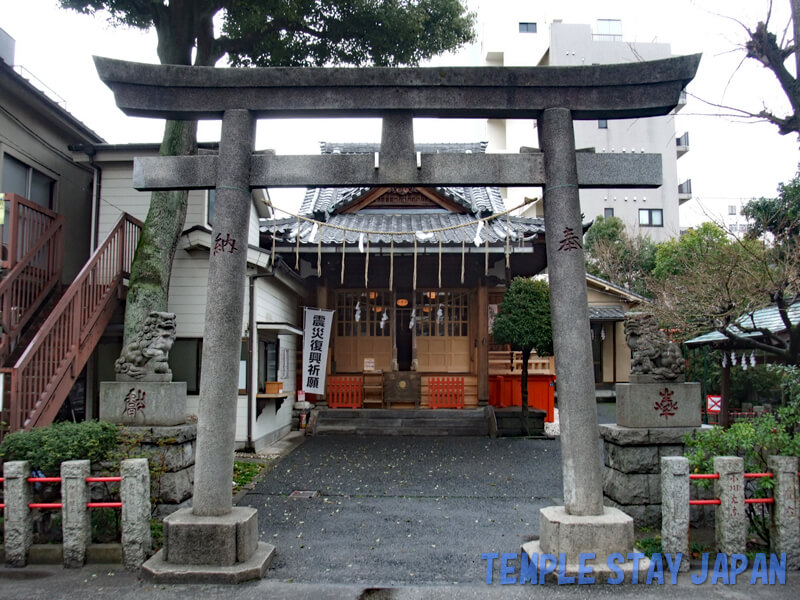
Ejima-sugiyama shrine (Tokyo) : Enoshima Benzaiten in Edo
This shrine originated from a shrine built by Sugiyama Waichi (1610-1694), an acupuncturist who treated the illness of the fifth shogun, Tokugawa Tsunayoshi. Although it is currently a small shrine, the grounds house the Sugiyama Waichi Memorial Hall, where exhibits of historical materials are on display. -
Sengakuji temple (Tokyo) : April Gishi Festival
It is a temple famous for the story of Chushingura. During the April festival, temple treasures are displayed in the main hall. Anyone can visit free of charge. Incense sticks were handed to those visiting the graves of the loyal retainers. I offered incense at each grave and paid my respects.