Temple stay? Japan ?
-

Gokui shrine stay (Nagano)
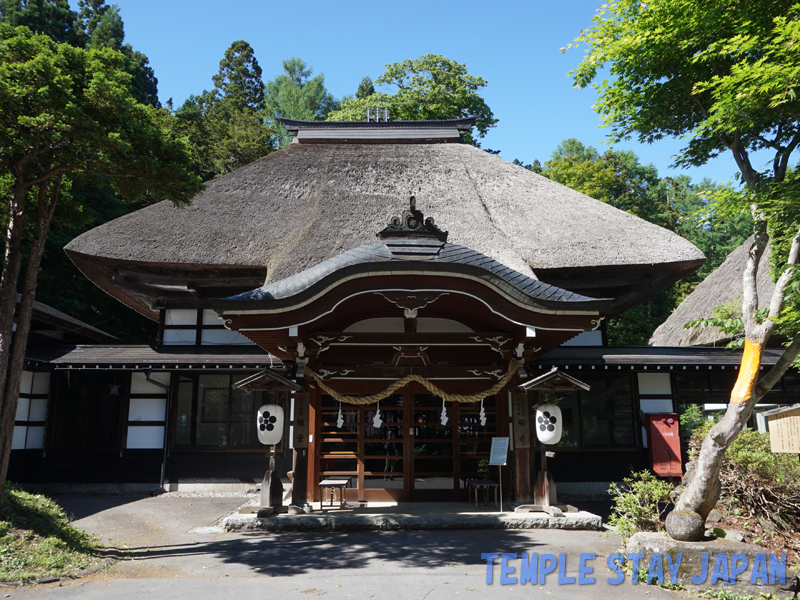
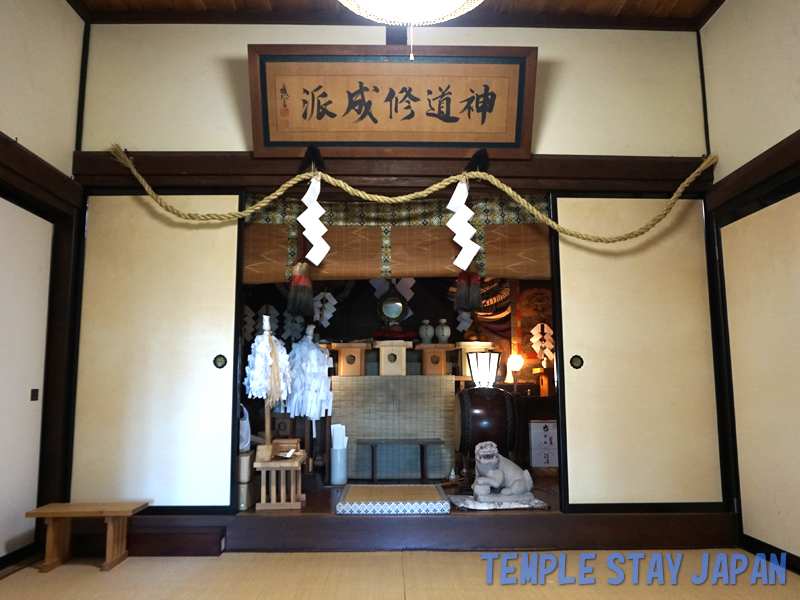
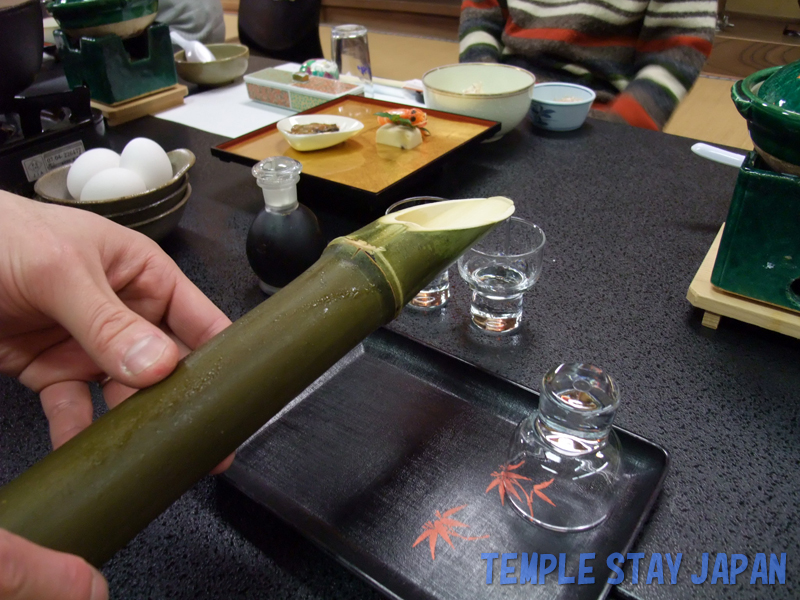
This shukubo is the former Tokuzenin of Togakushi Shrine. It has a beautiful thatched roof noted as a Japanese cultural asset. This shukubo is famous for Togakushi soba (buckwheat noodles), which descended from the Edo period. They also served sake that had been dedicated to the gods. -
Oshi-ryokan shrine stay (Nagano)
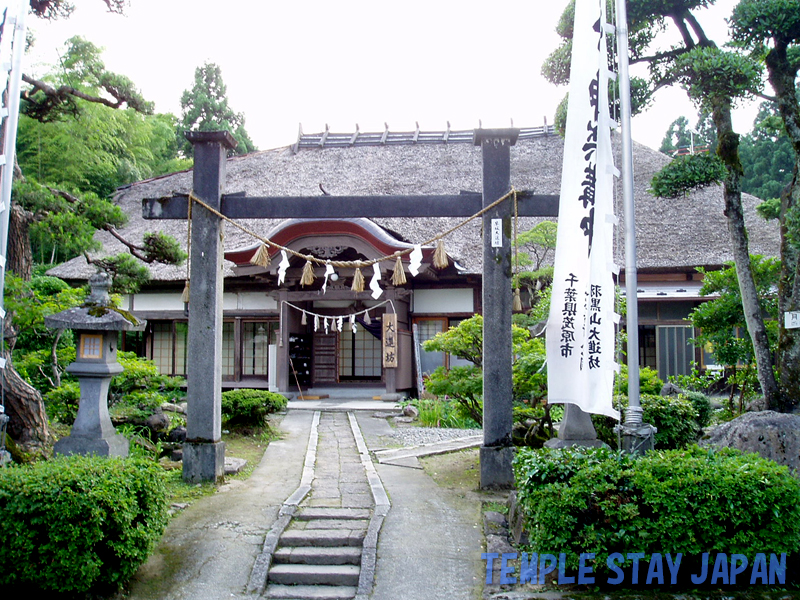
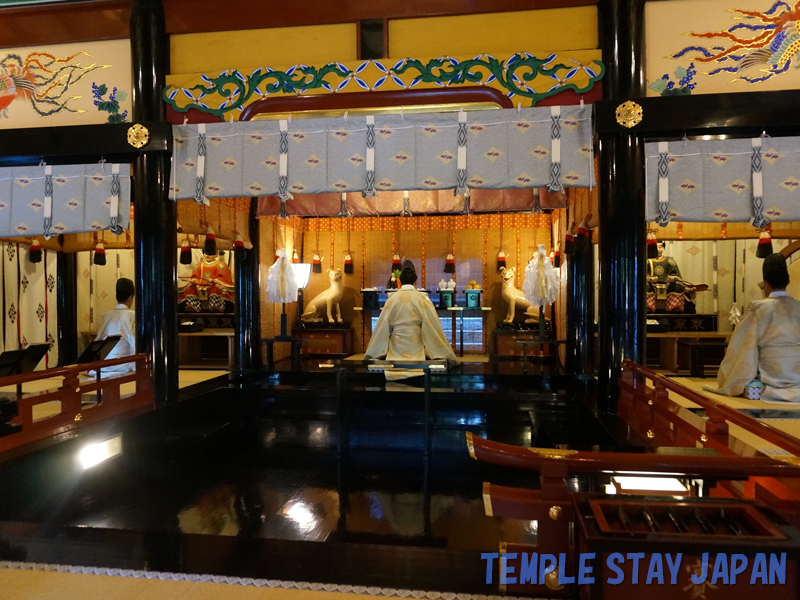
This shukubo is located at the bottom of the stairs leading up to the Hokosha of Togakushi shrine. It has a beautiful thatched roof matching the well maintained garden. There was a morning service in which I participated. Their specialty, which is of course “soba” (buckwheat noodles), is nothing but delicious. -
Kakurinbo temple stay (Yamanashi)
This is a shukubo of Minobusan Kuon-ji temple. The shukubo people were very kind and they served good food. Also, the Japanese garden of Minobu Town, which is designated as a cultural asset, is very beautiful. It is a must see. I felt as if my mind had been purified while I was leisurely watching the scenery. -
Natadera temple stay (ishikawa)
Natadera temple used to be a holy place to worship gods in ancient times. Nachidera's shukubo "Ikumo" is located at the top of Mount Engyo, with an altitude of 470 meters. The experience menu includes musical meditation and shakyo (copying sutra by hand). -
Mount Haguro Saikan shrine stay (Yamagata)
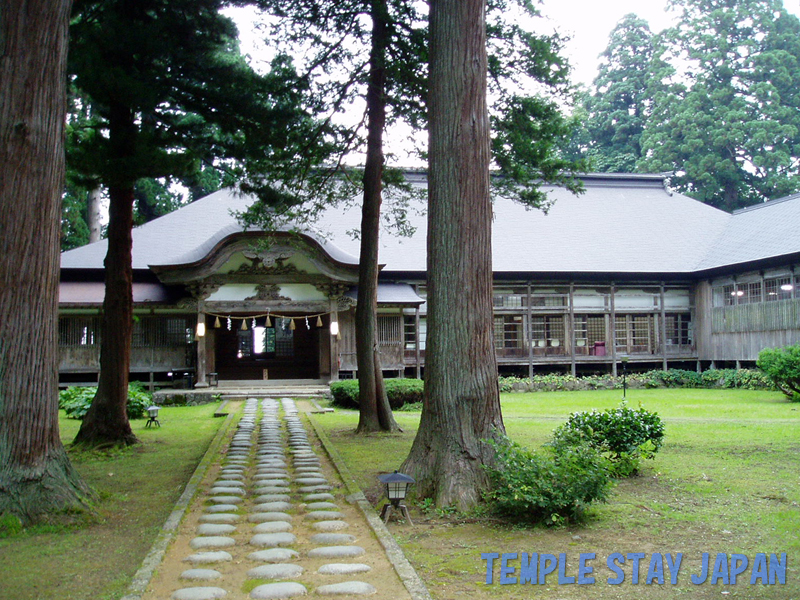
This shukubo is located alongside the approach near the mountain top of Mount Haguro. It was originally called Kezouin, but was rebuilt in 1697. I was really happy to be able to stay at Saikan, which is located just beside the promenade. As old as it was, the building was well maintained with a beautiful garden. -
Daishinbo shrine stay (Yamagata)
In the garden, there are a haiku monument of Basho Matsuo that is said to be the largest in the Tohoku district and Seikanzeon Bosatsu, an image of Buddha that is also considered to be a figure of the god of Mount Haguro at the period when Buddhism and Shintoism were mixed. -
Ikutabo shrine stay (Yamagata)
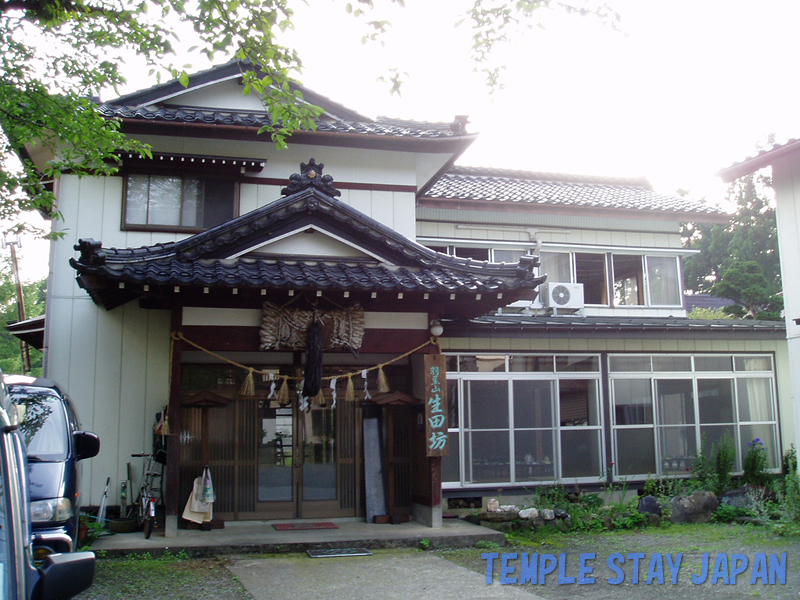
Ikutabo is a shukubo run by the son of the Shinto priest and his kind mother. It is more like a private inn. As it is located closer to the starting point for a climb than many other shukubo lodgings lining up along the street, it is convenient for worshiping. -
Mitsumine-Jinjya shrine stay (Saitama)
This is a sacred place of mountain worship located at the top of Mount Mitsumine with an altitude of 1,100 m in the Chichibu mountain chain. The shukubo is an older reinforced concrete building that looks like a school dormitory. The hot spring is good for muscle aches, neuralgia, joint pains, and sensitivity to cold. -
Kageyu shrine stay (Kanagawa)
This is a shukubo of the Ohyama-Afuri shrine. It is famous for tofu. It goes without saying that the dishes they serve are shojin cuisine and tofu kaiseki courses. cold tofu cut into cubes , soy milk hot pot , Raw yuba rolls etc. The guest room is a Japanese style room. -
Seizanso shrine stay (Tokyo)
This is a shukubo located in front of the shrine town of Musashi-Mitake shrine. Here they offer instructions on takigyo, Sho performances, a kind of Japanese musical instrument, ascetic training and instructions on meditation and breathing methods.