Temple stay? Japan ?
-

Tyosyoji temple stay (Nagano)
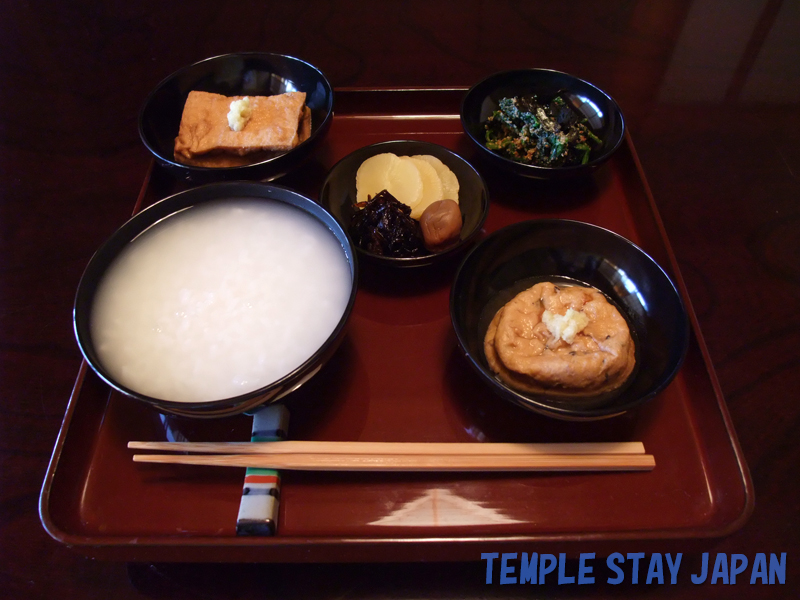
It is mandatory for guests staying at this shukubo to participate in chanting sutra, zazen and breakfast (rice porridge) in the morning. Reservations are required for shojin (vegetarian) course dishes. They also have a shojin cafe, where a steamed laver plate (steamed laver, black bean tea and pickles) is served. -
Kubonobo temple stay (Yamanashi)
This is a shukubo of Minobusan Kuon-ji temple. The rooms are separated by sliding doors, but are spacious and comfortable. The religious services at Kubono-bo are conducted from 17:00. Also, a "Seizakai" is held from 14:00 to 16:00 on the second and the fourth Sunday every month. -
Soujiji-Soin temple stay (Ishikawa)
Souji-ji is an old temple of the Sodo sect which was opened in 1321. Together with Eihei-ji temple in Echizen, it enjoyed prosperity as the head temple of the Sodo sect. You are able to receive instructions on zazen practice and eat shojin vegetarian cuisine. You can stay for zazen only up to two nights in principle. -
Motsuji temple stay (Iwate)
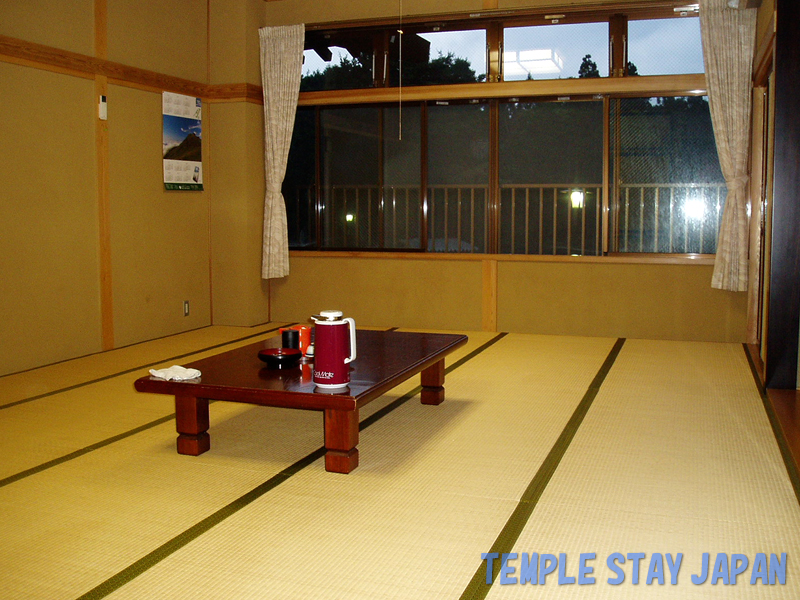
Motsuji’s shukubo is divided into Japanese style temple lodging and a youth hostel. The youth hostel rooms are shared rooms with a bunk bed. The temple lodging rooms are Japanese style six tatami mat rooms with tables, tea cups, tea pots, electric fans, futon mattresses and duvets and yukata robes. -
Sankoin shrine stay (Yamagata)
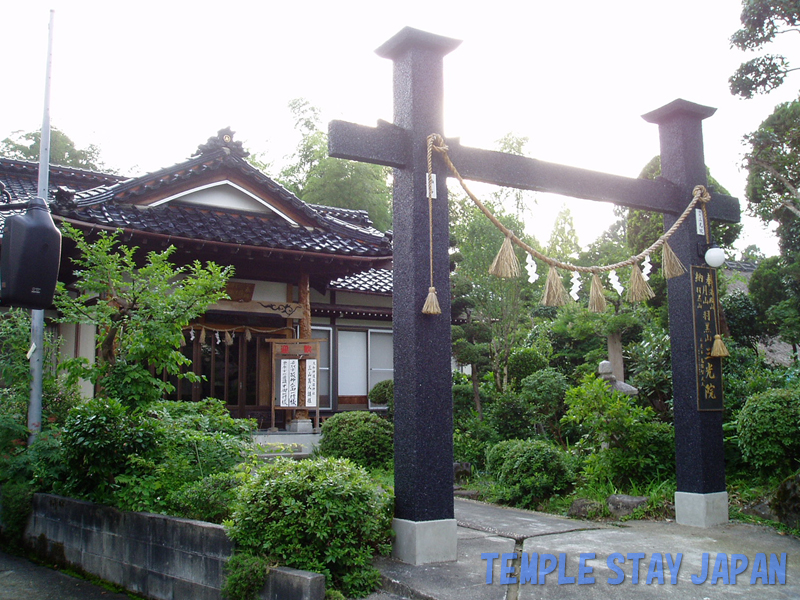
This shukubo is located within walking distance from the entrance of the approach to Mount Haguro. The building looks like a private inn but it is strictly a shrine building. There was a tengu (a legendary long-nosed creature) face mask on a wall, which made me feel the world of Shugendo. -
Mount Yudono Sanrojo shrine stay (Yamagata)
This lodging is a shukubo on Mount Yudono, which is located in the deepest part of Dewasanzan (Mount Haguro, Mount Gassan and Mount Yudono) and considered to be a sacred place. Because Yudonosan Shrine does not have a main hall, the sanrosho office seems to serve as the prayer hall and part of the shrine office. -
Miyashitabo shrine stay (Yamagata)
Despite its nice, inn-like appearance, it has a large shrine inside. Here they perform ritual prayers called Gomakito from 5:30 in the morning. The food they serve is traditional shojin (vegetarian) cuisine rich in local produce. In Shinto, "meals" are called "naorai," which means "get-together between men and gods." -
Kanbayashi-Katsukane shrine stay (Yamagata)
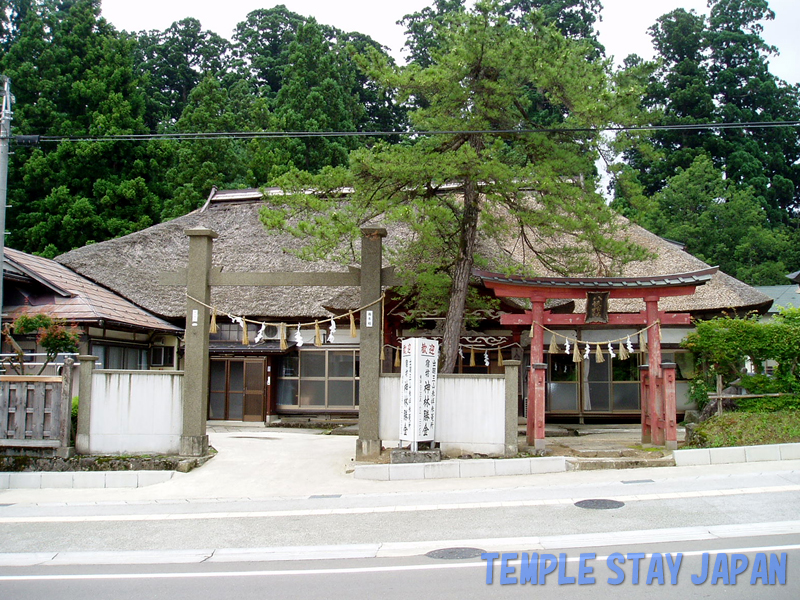
This shukubo is located right next to the entrance of the approach to Mount Haguro, so enjoys the best location among the temple lodgings on Mount Haguro. The building is a stately private house with a thatched roof. I was welcomed warmly in the home-like atmosphere. -
Osorezan Bodaiji temple stay (Aomori)
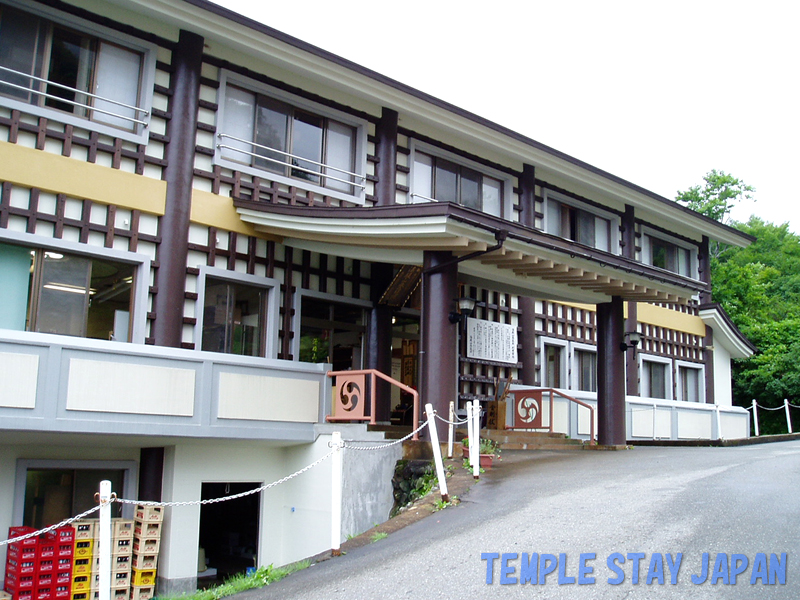
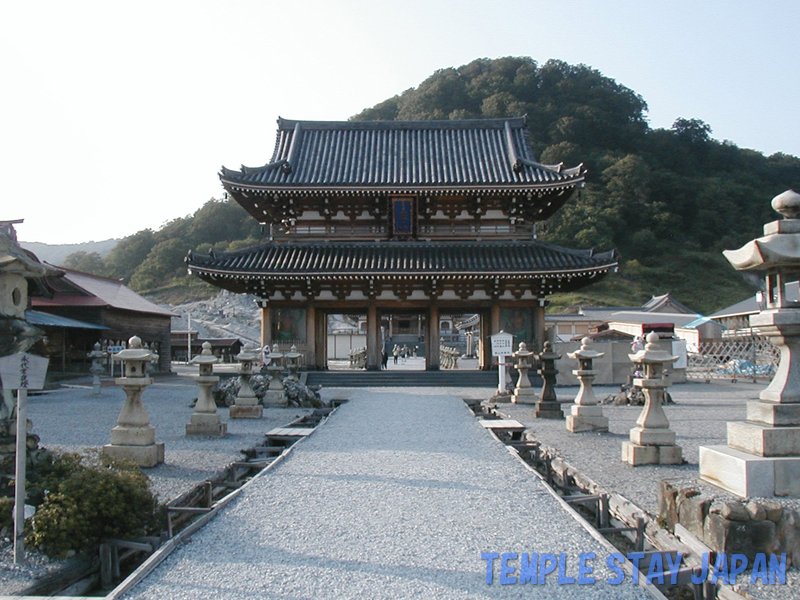
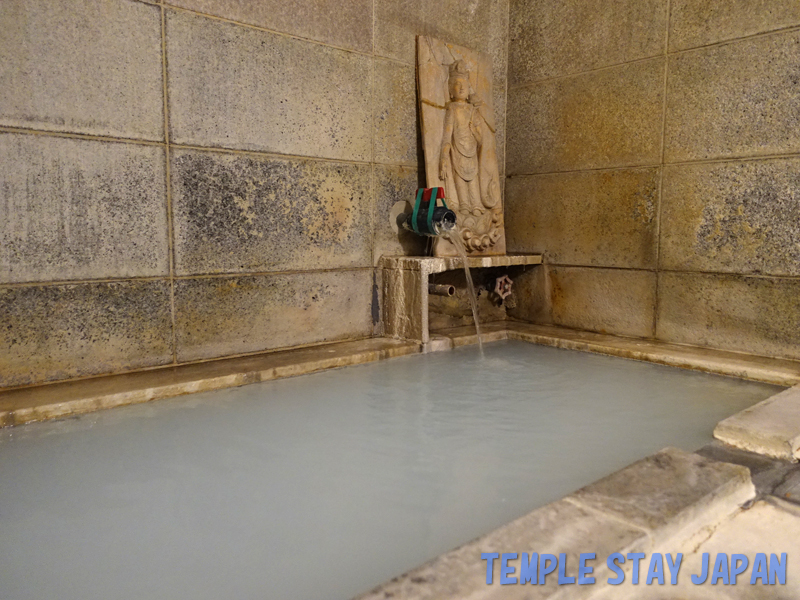
Mount Osorezan is a sacred mountain located on the Shimokita Peninsula at the northernmost end of the main island of Honshu. The shukubo's rooms are as clean as any hotel room. In the precinct, there are four hot springs, each with different effects. -
Syokoin temple stay(Hokkaido)
This is a temple stay located in the town of Noboribetsu Onsen, a famous hot spring resort in Hokkaido. Guest rooms are Japanese-style and very comfortable. I was able to start my morning off in a good mood while listening to the priest chanting Buddhist prayers and sutras in the background.