Temple stay? Japan ?
-

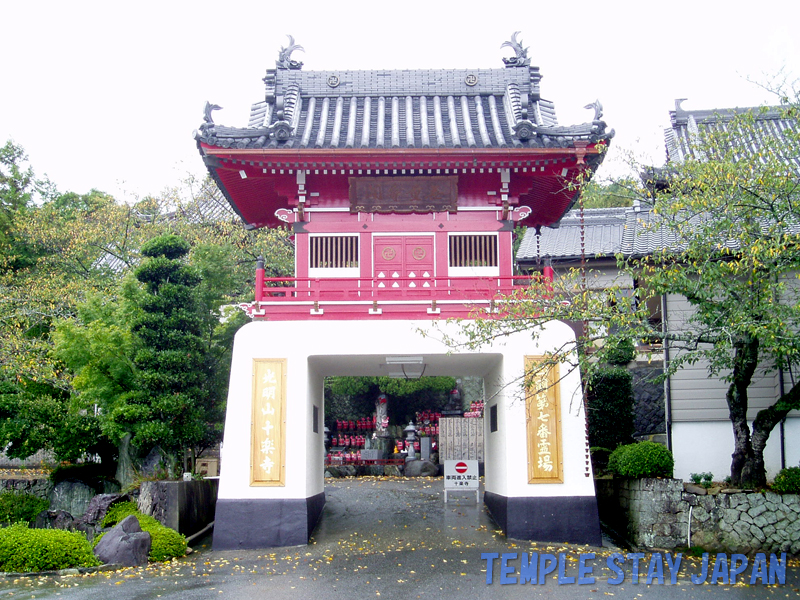
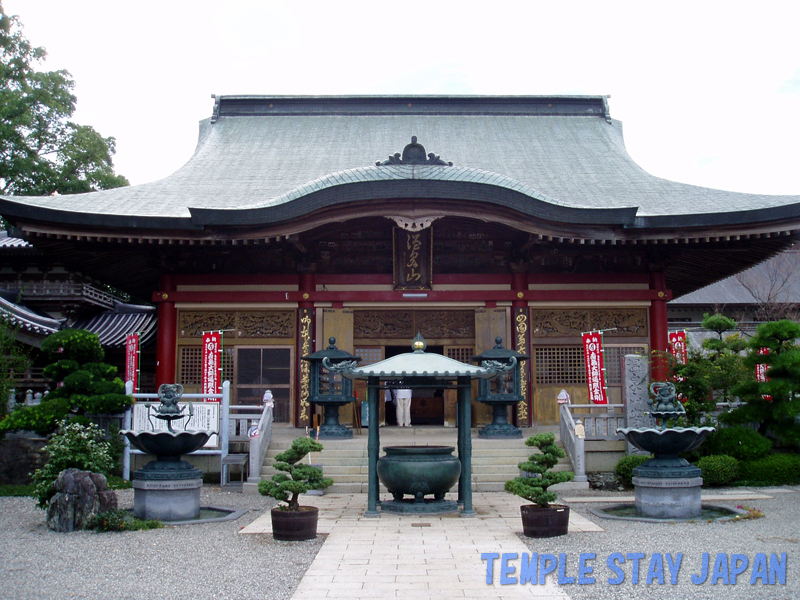
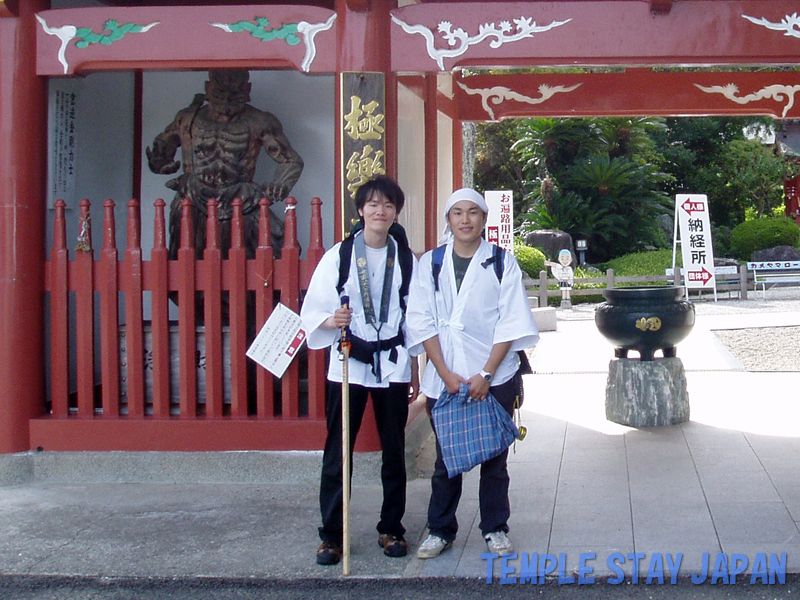
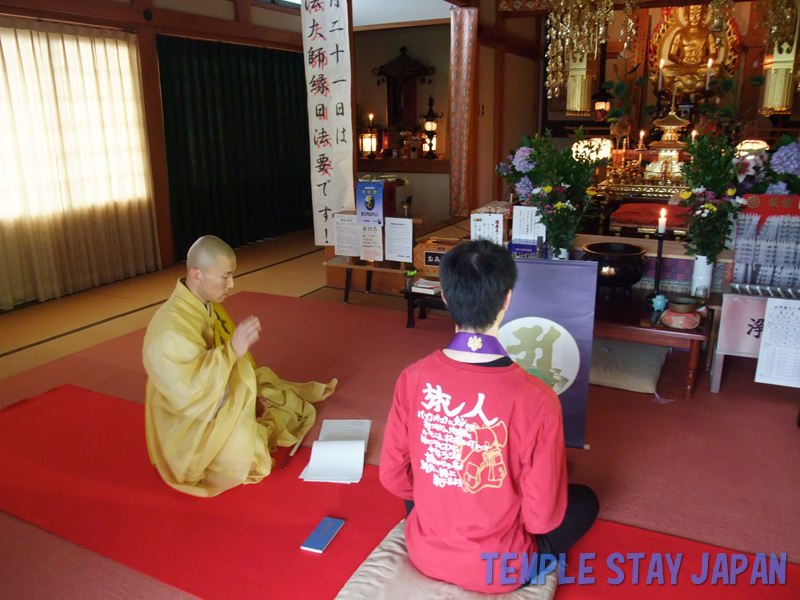
The 7th stage of Pilgrimage, Jyurakuji temple stay (Tokushima)
I felt pleased to see that everything here was well cleaned. There was a religious service in the morning. It was a standard service, but I was able to see the principal image of the main hall and the statue of Kobo-Daishi in the Daishi Hall. -
The 6th stage of Pilgrimage, Anrakuji temple stay (Tokushima)
The room was a six tatami mat room equipped with air conditioning, a TV and a washbasin. The bath is a hot spring bath with sodium bicarbonate water (containing solid acid carbonate and calcium). After dinner, there was a religious service. Textbooks were distributed and everyone chanted a sutra together. -
The 2nd stage of Pilgrimage, Gokurakuji temple stay (Tokushima)
On the first day of the pilgrimage, I stayed at a shukubo. The large 12 tatami mat room was equipped with a TV set and a restroom. Although it was not shojin vegetarian cuisine, the meals were tasty home cooking. The morning service lasts for about 15 minutes from 6:00. You are free to participate. -
Sanbutsuji Kaizyoin temple stay (Tottori)
This is a shukubo of Sanbutsuji which is famous for Nageire-do, a special construction which is said to have been thrown into a cliff by a practitioner and stuck there. The Mitoku tofu, which is also called Bijo (beautiful lady) tofu, is especially famous. -
ShimizuDaishiji temple stay (Shimane)
ShimizuDaishiji Temple was founded in 812 by Kobo Daishi.I experienced Ajikan meditation in the main hall. I continued breathing for a while, calming my mind. Because it was a temple in the mountains, the sounds of the wind and the croaking of frogs echoed softly, and I felt my mind become clearer in a quiet, still way. -
Saijyoinari Kenmyokaku temple stay (Okayama)
This is a shukubo of Saijyoinari, one of the three largest Inari shrines in Japan. On the occasion of the separation of Shinto and Buddhism in the Meiji period, the mixed worshipping style of Shinto and Buddhism was allowed here. Shukubo's room I stayed in was a 10 tatami Japanese-style room. -
Seigantoji Sonsyoin temple stay (Wakayama)
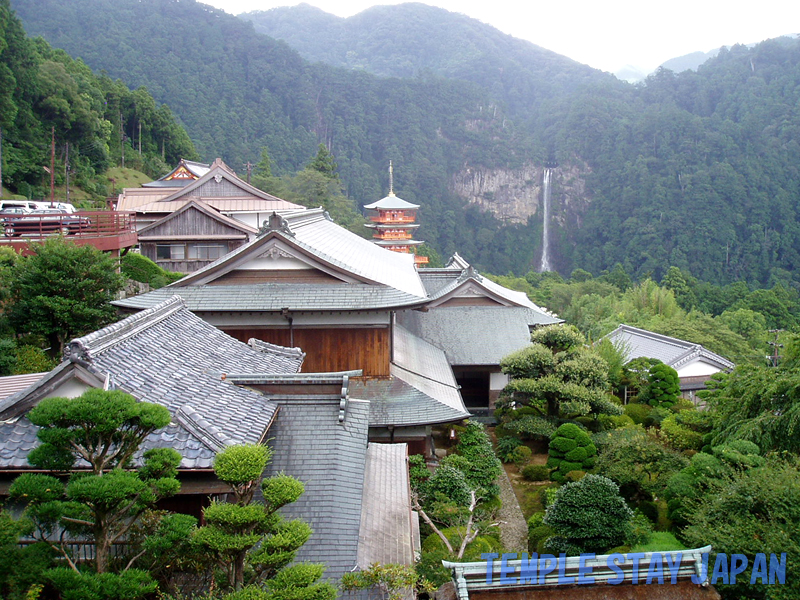
This is a grand ascetic training Mecca around the Nachi-no-Taki waterfall, with a drop of 133 meters. As a sacred place lasting more than 1,600 years, this temple is registered as a UNESCO World Heritage Site. The room I stayed in was a 6-tatami mat Japanese style room with a TV set, an electric fan and a yukata robe. -
KumanoHonguTaisya Zuihoden shrine stay (Wakayama)
This is a shrine registered as a UNESCO World Heritage Site as the center of Kumano worship lasting from the Heian period (794 to 1185). Zuihoden, the shukubo, is located beneath the stone stairs leading up to the main sanctuary of the Kumano-hongu Taisha. -
Ohmijingu OhmiKangakukan shrine stay (Shiga)
This is an accommodation facility located in the forest in the precinct of Ohmijingu shrine. As the first shrine with a clock in Japan. This shukubo does not offer religious experiences for guests, but you can freely participate in the various festivals and religious events. -
Hieizan EnryakujiKaikan temple stay (Shiga)
This temple was established by Saicho in 788 and has been called the Mother of Japanese Buddhism as it produced so many great priests. Shukubo Enryaku-ji Kaikan is located near the Konponchudo, which serves a central role in Mount Hiei. The morning services are conducted in the Konponchudo hall, a national treasure.