Temple stay? Japan ?
-

The 58th stage of Pilgrimage, Senyuji temple stay (Ehime)
They have some private Japanese-style rooms. The puffy futon (duvet) was really comfortable. They conduct morning services as well. They serve shojin vegetarian cuisine, which is really good. Although the building is made from reinforced concrete, it does not give off a cold impression. -
The 38th stage of Pilgrimage, Kongohukuji temple stay (Kochi)
Kongohukuji temple located on Cape Ashizuri and its main building is made of Japanese cypress. It is used as the shukubo. They provide private Japanese-style rooms where you can quietly relax. Both the head priest and the assistant head priest were present at the morning service and they made a sermon as well. -
The 37th stage of Pilgrimage, Iwamotoji temple stay (Kochi)
A train runs through the precinct of this temple. They offer shukubo accommodation as well as a youth hostel. This shukubo is really clean. As there were four women pilgrims traveling alone, we shared a large room together. A male guest and a couple were using the small rooms. -
The 26th stage of Pilgrimage, Kongotyoji temple stay (Kochi)
This shukubo was very good. The room was clean and the facilities, such as the bath and the washing machine, were complete. As small as it was, I was able to use a room all to myself and the meal was also gorgeous. The morning service was conducted in the main hall, which was connected to the shukubo by a corridor. -
The 24th stage of Pilgrimage, Hotsumisakiji temple stay (Tokushima)
There are various treasures displayed in Houmotsu-kan: a stone Nyoirin Kannon (Cintamani-cakra) , sitting Yakushi Nyorai (Bhaisajyaguru) and a statue of standing Gakko Bosatsu (Candraprabha), which are all designated as important cultural assets. There is also a cave where the young Priest Kobo pursued ascetic training. -
The 23rd stage of Pilgrimage, Yakuoji temple stay (Tokushima)
It is famous as a temple to drive out evil luck. The shukubo is a reinforced concrete building. I was very grateful because they let me use a large room by myself. I ate in the dining room which also served as a restaurant. There was a religious service in the morning in the temple. -
The 20th stage of Pilgrimage, Kakurinji temple stay (Tokushima)
The principal image is “Yaoi-no-Jizo” (a statue of a Jizo hit by an arrow) which is said to have been carved by Kobo-Daishi. It is designated as an important cultural asset in Japan. The shukubo is a reinforced concrete building. -
The 19th stage of Pilgrimage, Tatsueji temple stay (Tokushima)
The room was a 4.5 tatami mat Japanese-style room with air conditioning and a TV set. The sizes of the rooms vary. They served shojin vegetarian cuisine for dinner. I hear that the memorial service is usually conducted in the evening. In general, it was a clean, comfortable and friendly shukubo. -
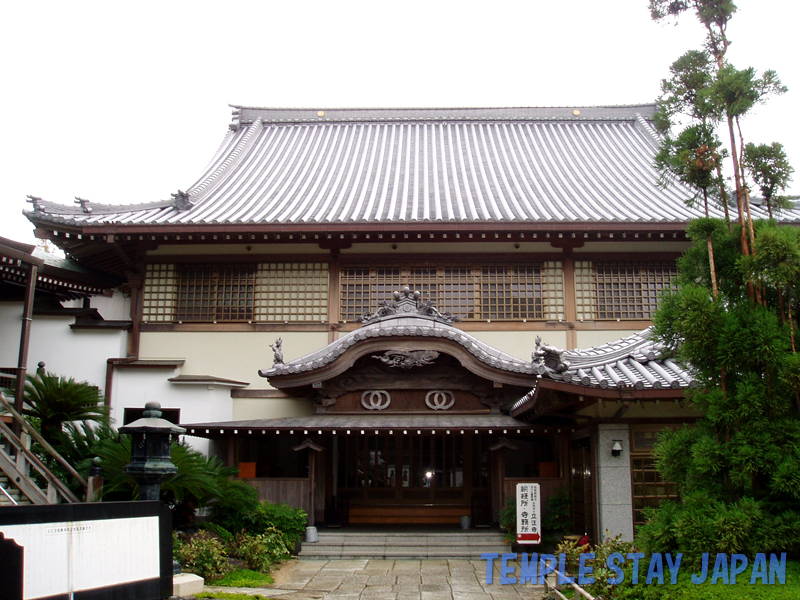
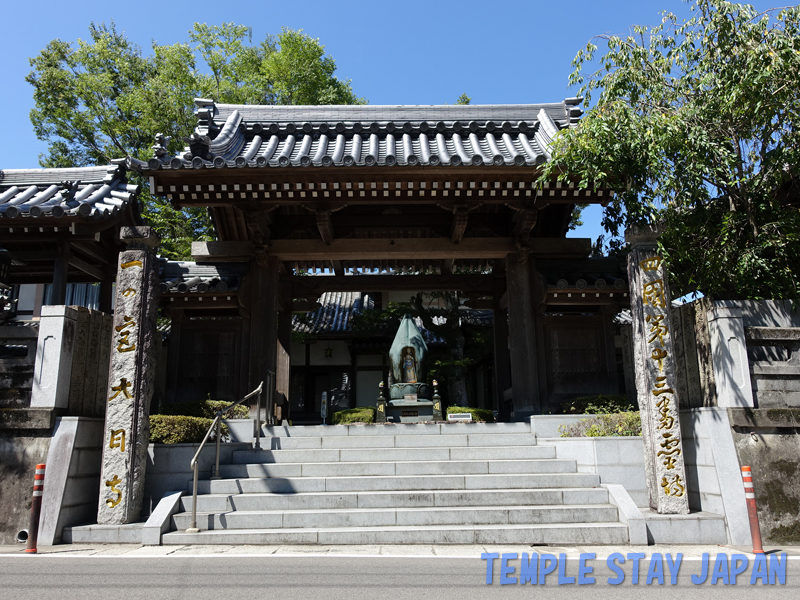
The 13th stage of Pilgrimage, Dainichiji temple stay (Tokushima)
It was an eight tatami mat room equipped with air conditioning and a TV. It can be locked as well. Dinner was served in the dining room. Although it was not shojin vegetarian cuisine as they served slices of raw fish, etc., as well, it was delicious. The service was conducted from 6:00 in the morning. -
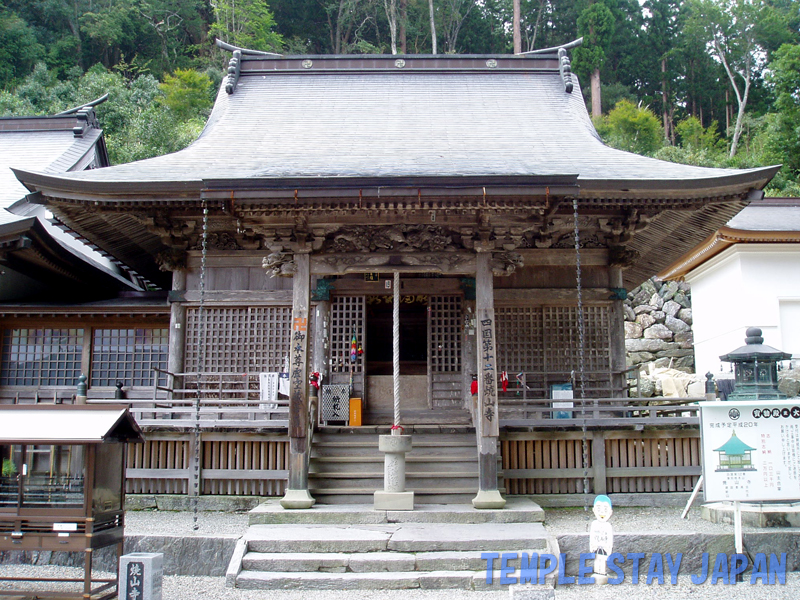
The 12th stage of Pilgrimage, Syosanji temple stay (Tokushima)
Syosan-ji temple is located on the top of a mountain and is a tough point called “Henro Korogashi” (Rolling the Pilgrims). The guestroom was an eight tatami mat room. When it is crowded, you will have to share a room with others. They conduct religious services starting at 6:00 in the morning.