Japan? category ?
-

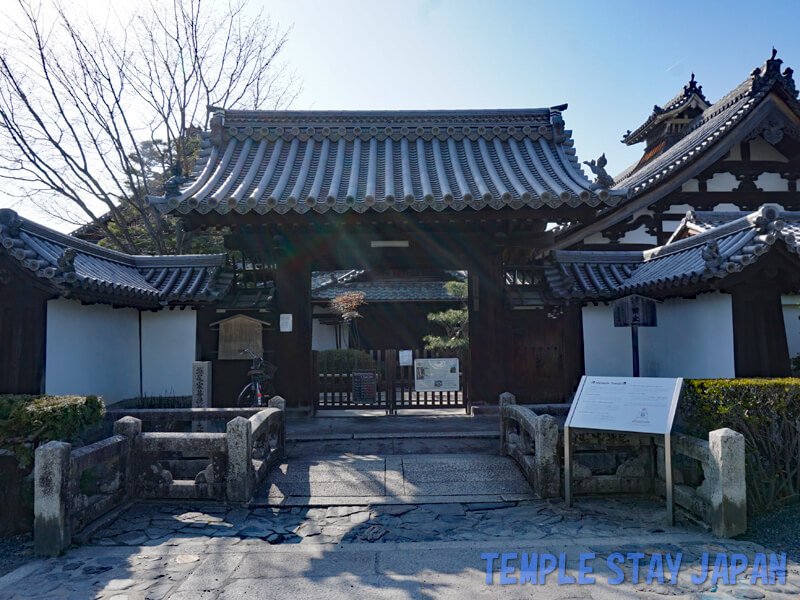
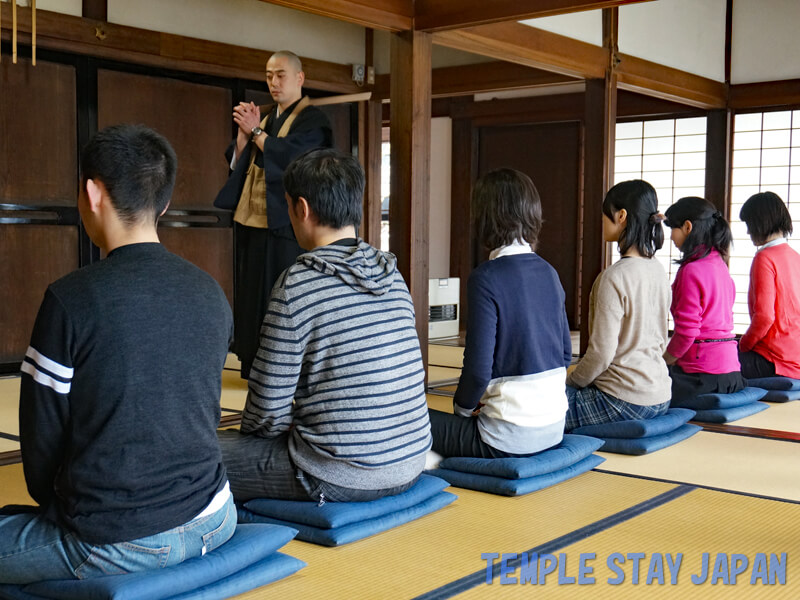
Shunkoin temple (Kyoto) : Zazen experience in English
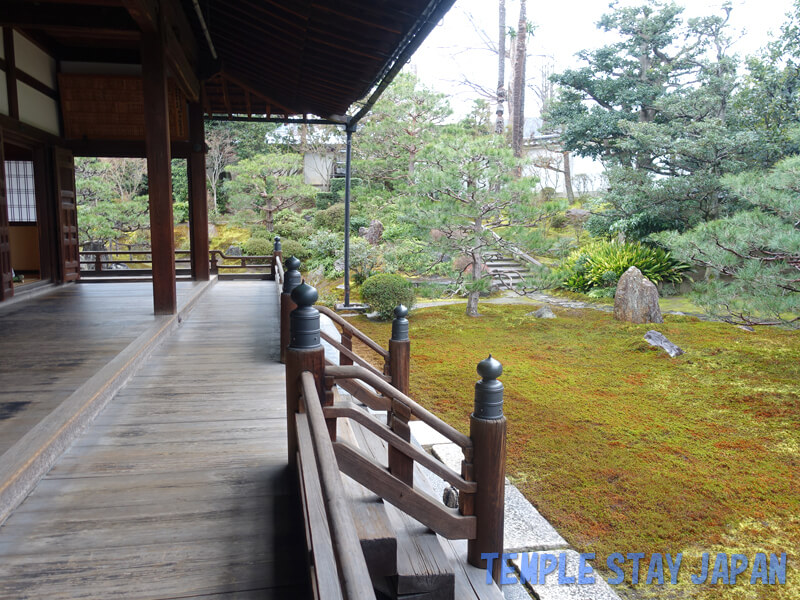
Shunkoin is a sub-temple of Myoshinji Temple that was built in 1590. You can rent out the Hojo, an important cultural property, exclusively for a special Zen experience. Zazen instruction is available in English. If you're interested, please make a reservation and participate. -
Animal shrines and temples in Kyoto
Kyoto's shrines and temples are home to statues and paintings of a variety of animals, including dogs, cats, monkeys, and rabbits. These are either related to gods or Buddhas or based on legends. Here we will introduce recommended shrines and temples for each type of animal. -
Shorinji temple (Kyoto) : Zen Meditation and Buddha statue
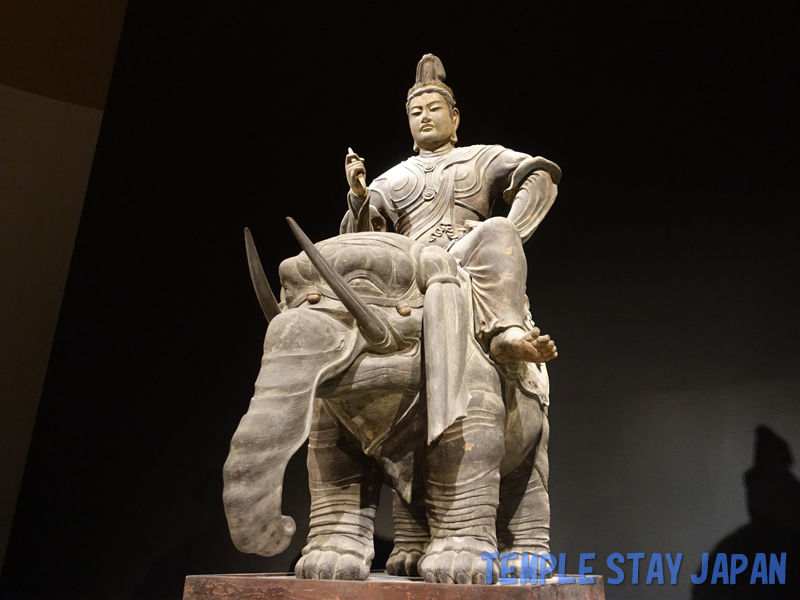
It is a sub-temple of Tofuku-ji Temple, founded in 1550. The statue of Vaisravana enshrined here was made during the Heian period (794-1185) and is believed to bring good fortune in wealth and victory in battle. Zen meditation sessions are available. Beginners are welcome to participate. -
Ryosokuin temple (Kyoto) : Japanese garden and zazen meditation
Ryosokuin is a sub-temple of Kenninji Temple, founded in 1358. There is a beautiful Japanese garden and a temple dedicated to Bishamonten (Vaisravana). Regular zazen sessions are held, and group zazen sessions are also available. The program includes zazen, sermons, and a stroll around the temple grounds. -
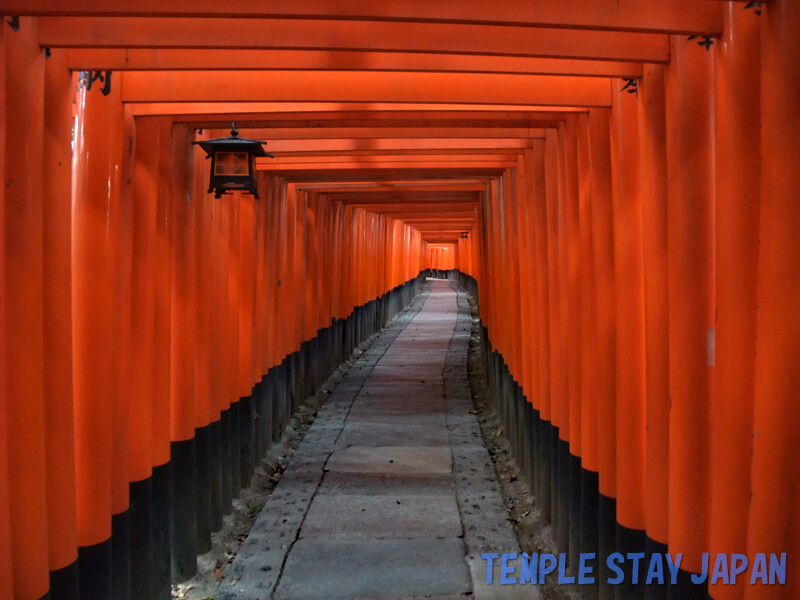
Fushimi-Inari shrine (Kyoto) : Red Torii gates Tunnel
Fushimi-Inari is the head shrine of the 30,000 Inari shrines throughout Japan. It is said to grant good fortune in bountiful harvests, prosperous business, and safety in the home. Fushimi Inari is famous for the countless red torii gates lined up in a row. There are also wishing stone. -
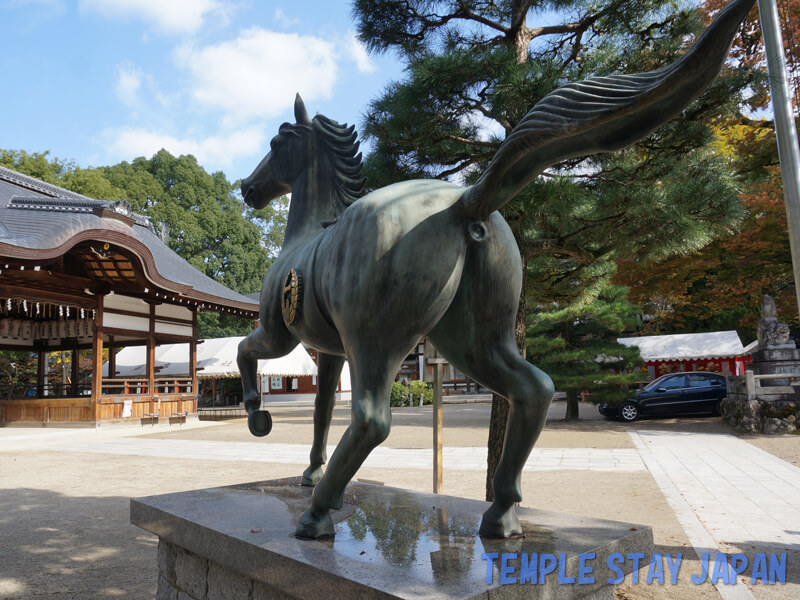
Fujinomori shrine (Kyoto) : Horse racing fans gather
Fujinomori-jinja Shrine was founded about 1,800 years ago. The ritual of running horses has been handed down since ancient times. As a horse shrine, it is visited by many people involved in horse racing, jockeys, and fans. There were a lot of things related to horses in the shrine grounds. -
Fish shrines and temples in Kyoto
There are statues and paintings of various fish in Kyoto's shrines and temples, including sea bream, carp, and eels. These are either related to gods or Buddhas or based on legends. Here we will introduce recommended shrines and temples for each type of fish. -
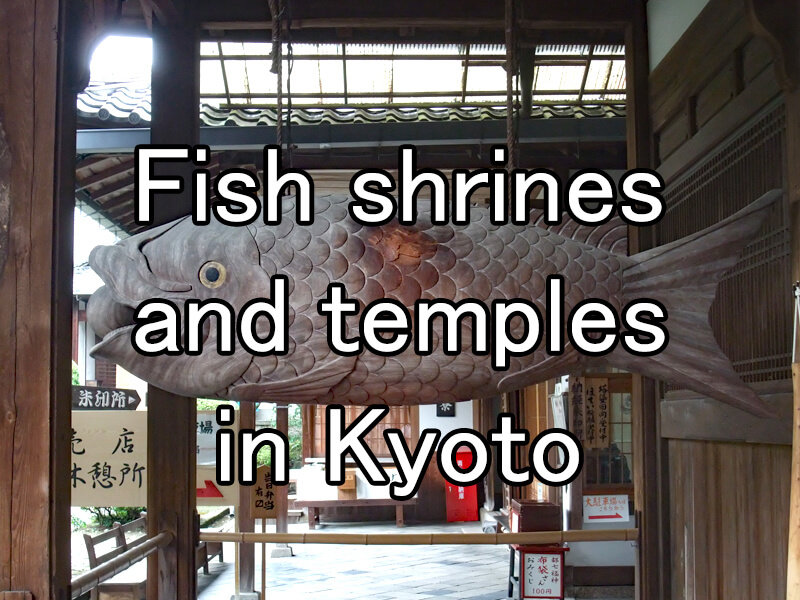
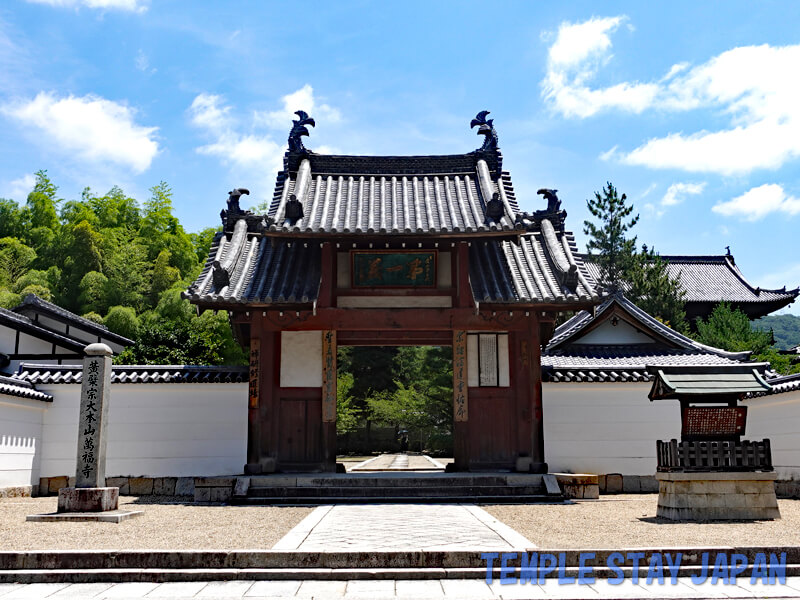
Manpukuji temple (Kyoto) : A Great Temple in Uji
Manpuku-ji Temple was founded in 1661 and is the head temple of the Obaku school of Zen Buddhism. The Daiohohden, Tennoden, and Hatto are all National Treasures. There are also numerous other halls designated as Important Cultural Properties. Kaipan is a ritual implement shaped like a fish. -
Bird shrines and temples in Kyoto
Kyoto's shrines and temples have statues and paintings of various birds, including dove, cranes, and sparrows. These are either related to gods or Buddhas or based on legends. Here we will introduce recommended shrines and temples for each type of bird. -
Toji temple (Kyoto) : Beautiful pagoda , Buddha statues , Kobo Market
Toji means the temple in the east. It was built on the east side of the city 1,200 years ago when Kyoto was founded. The five-story pagoda stands 55 metres (180 feet) and is the tallest wooden structure in Japan. There are many Buddha statues lined up in the Kodo hall.