Kyoto City? Temples and Shrines List ?
-

Toji temple (Kyoto) : Beautiful pagoda , Buddha statues , Kobo Market
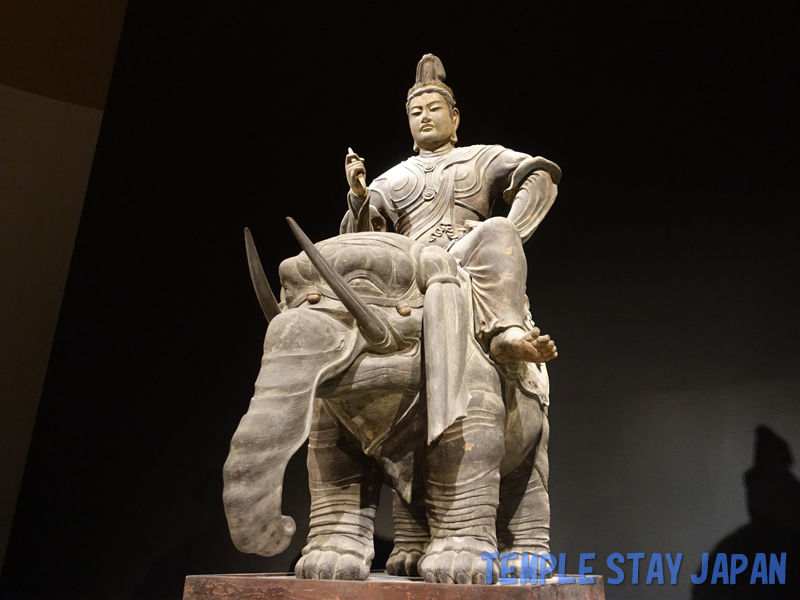
Toji means the temple in the east. It was built on the east side of the city 1,200 years ago when Kyoto was founded. The five-story pagoda stands 55 metres (180 feet) and is the tallest wooden structure in Japan. There are many Buddha statues lined up in the Kodo hall. -
Inabado Byodoji temple (Kyoto) : Handmade market on the 8th of every month
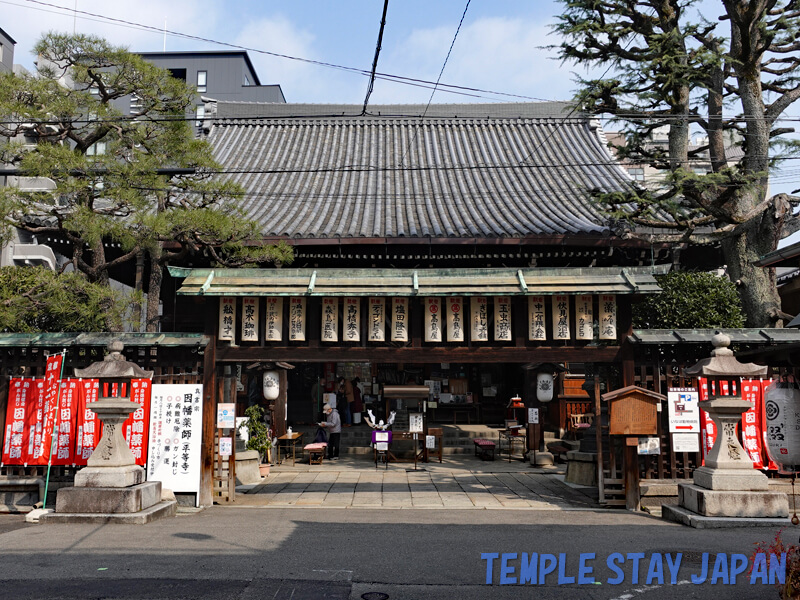
About 1000 years ago, there was a nobleman named Tachibana no Yukihira. He was told in a dream to offer prayers to Bhaisajyaguru (the Medicine Buddha), and he founded Inaba-do Byodoji Temple. Here, a handmade crafts market is held on the temple grounds on the 8th of every month. -
Yasaka-Koshindo temple (Kyoto) Colourful monkey dolls
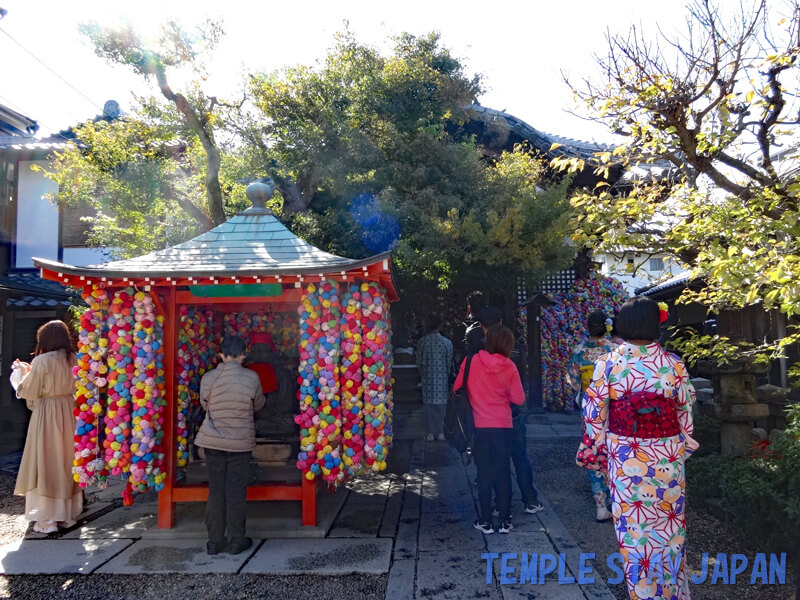
Yasaka Koshindo was built over 1000 years ago.Because monkeys move around a lot, they are also said to be symbols of desire. For this reason, there was a custom of tying the hands and feet of monkey dolls. Nowadays, people write their wishes on colorful monkey dolls and tie them on them. -
Kamigamo shrine (Kyoto) : History , Highlights , Access
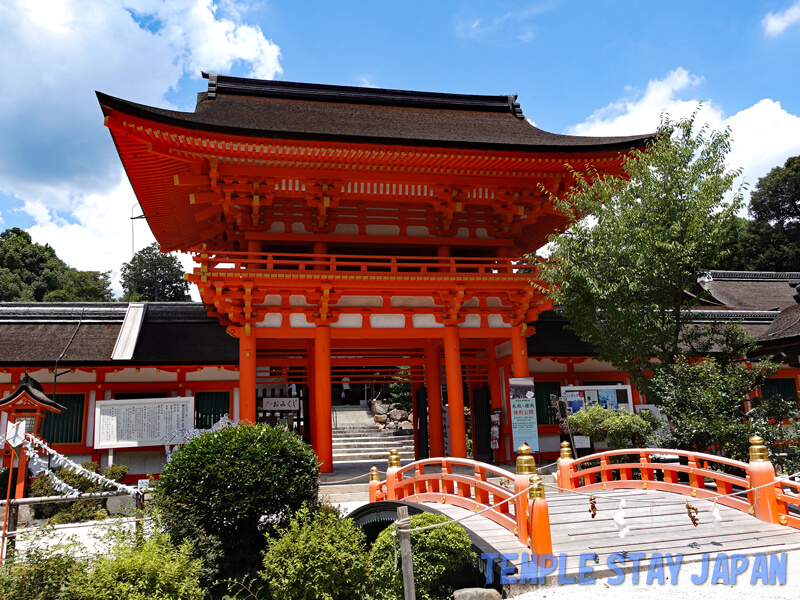
Kamigamo-jinja Shrine is a shrine that boasts a history said to be the oldest in Kyoto. Special prayers and viewings are accepted here at any time. After receiving prayers from the Shinto priest, you can view gardens and treasures that are normally off-limits to the public. -
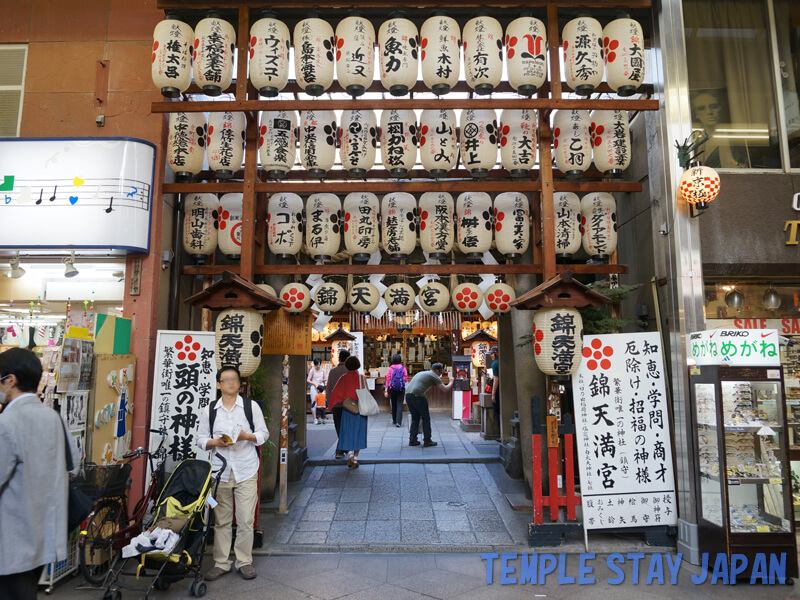
Nishiki-tenmangu shrine (Kyoto) : Near Nishiki Market
Nishiki Tenmangu Shrine is located in the shopping district. This shrine is known for its benefits in granting success in exams, and visitors pray while stroking the cattle. Within the temple grounds, Nishiki no Mizu, known as Kyoto's finest spring water, springs forth. -
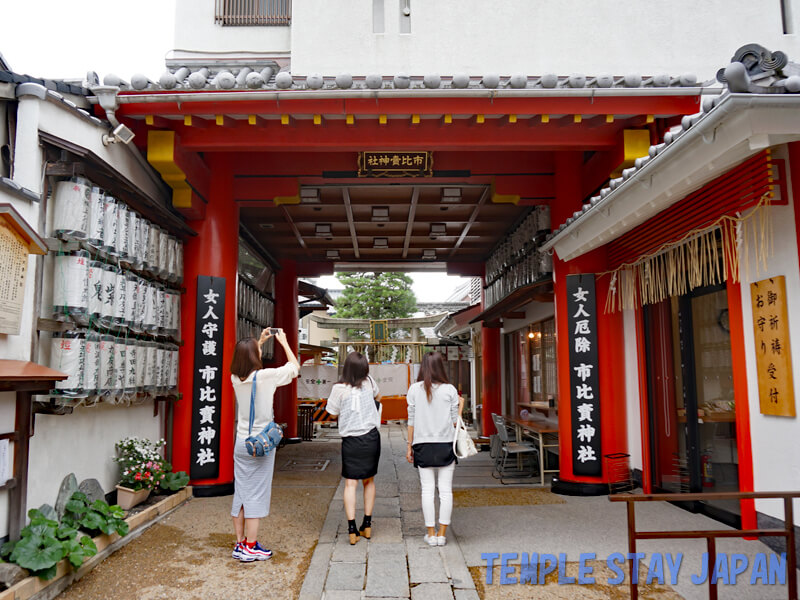
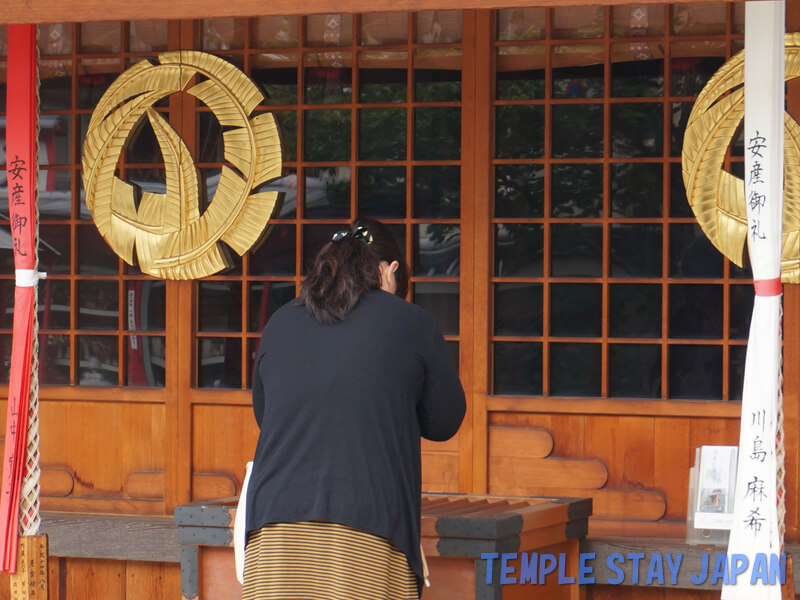
Ichihime shrine (Kyoto) : Guardian of Women
Ichihime-Jinjya Shrine was founded in 795. This shrine is believed to be the guardian deity of women, and many people come to pray there. There were some charms that seemed to be inspired by princesses from the past. This one had a fortune slip inside. After reading it, I wrote down my wish and offered it to the shrine. -
Sotokuji-awashimado temple (Kyoto) : Protection for Women and Memorial Services for Dolls
This temple was founded around 1449-1452. Awashima Myojin, a deity who protects women, was enshrined within the precincts of Sotokuji Temple, and devotion to the deity spread. The doll memorial service is also famous. There are many donated dolls lined up in the precincts. These were spectacular sights. -
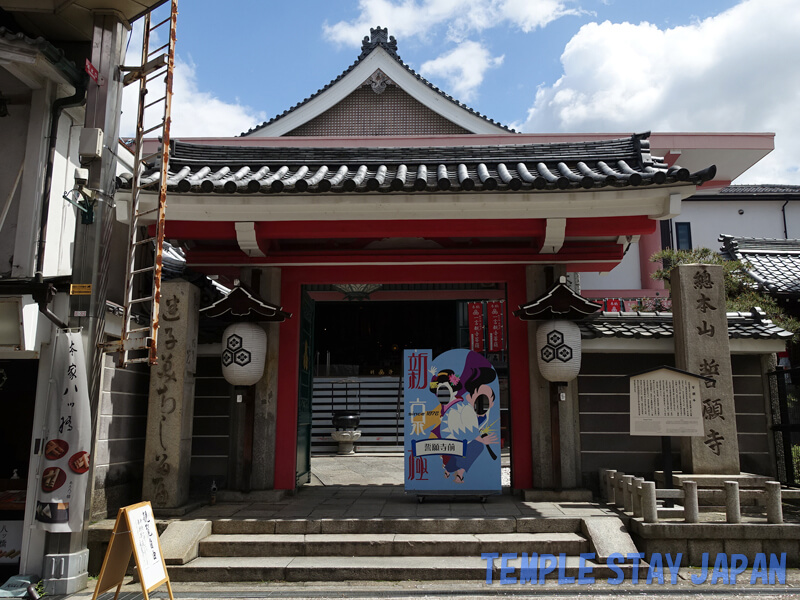
Seiganji temple (Kyoto) : The Great Buddha near Nishiki Market
Seiganji Temple is located within the Shinkyogoku Shopping Arcade. As soon as I passed through the gate, the main hall was right in front of me, and I was free to enter it. The principal image of the temple is the Amitabha, a gigantic Buddha statue measuring approximately 6.5 meters (21.3 ft). -
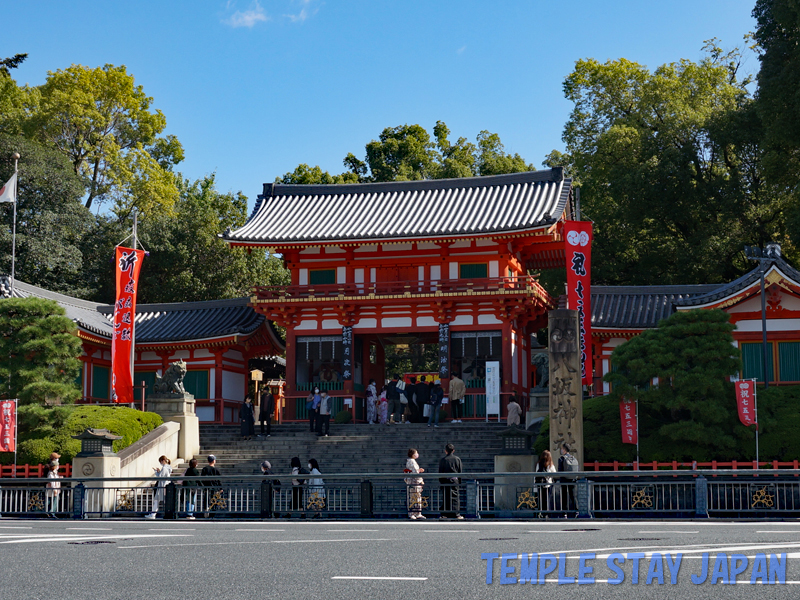
Yasaka shrine (Kyoto) : Praying for beauty and love
Yasaka Shrine is an ancient shrine that dates back to before 794, when the city of Kyoto was founded. It is the head shrine of the approximately 2,300 Yasaka shrines in Japan. The main hall is the largest of its kind among shrine buildings and is designated a national treasure. Yasaka Shrine has two popular sub-shrines. -
Kawai shrine (Kyoto) : Votive plaque for praying for beauty
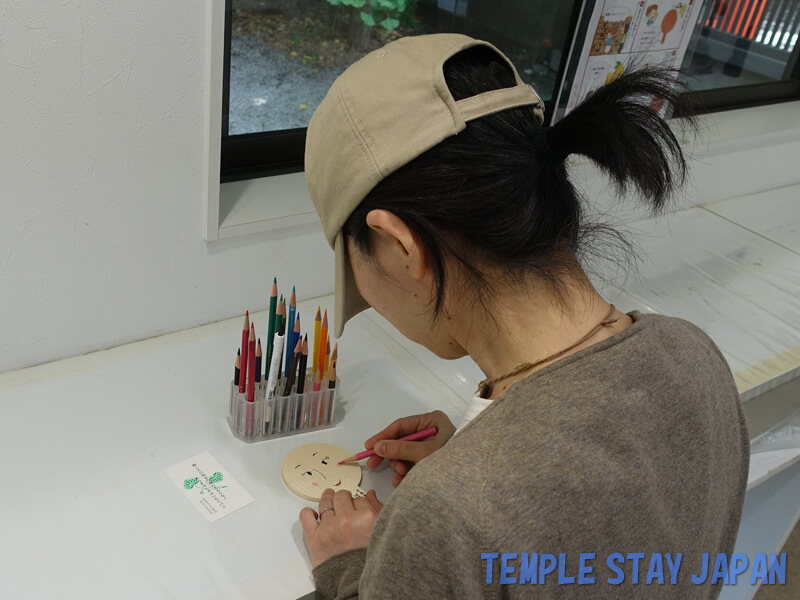
Kawai-jinja Shrine is located within the grounds of Shimogamo-jinja Shrine. A beautiful goddess is enshrined here, and it is said that those who pray there will become beautiful. The experience of drawing a face on a hand-mirror-shaped ema (votive plaque) is popular.