There are many historic temples and shrines in Kyoto city. You can enjoy beautiful wooden architecture, Japanese gardens, and experiences related to Buddhism and Shintoism. This is a list of recommended temples and shrines.
Kyoto City? Temples and Shrines List ?
-

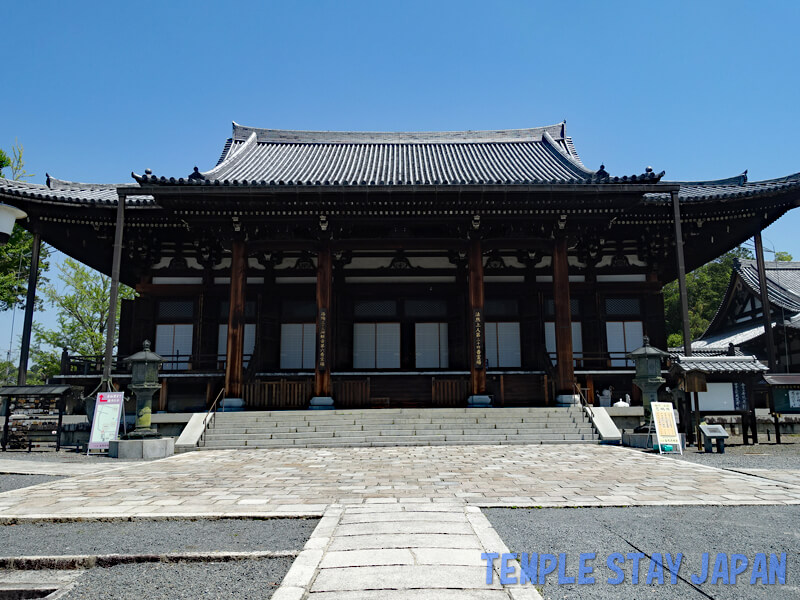
Konkai-Komyoji temple(Kyoto) : Birthplace of the Shinsengumi
Konkai-Komyoji Temple is a head temple of the Jodo sect located in the northeastern part of Kyoto. This temple has served as the setting for two important historical events. This temple has served as the setting for two important historical events. Another point is that the Shinsengumi was formed at this temple in 1863. -
Ichigonji temple (Kyoto) : Grant a single wish
This temple was founded around the 12th century. It is a specially designated head temple of the Shingon-shu Daigo-ha sect. The principal image is the Thousand-Armed Kannon Bodhisattva (Sahasrabhuja). It is said that if you offer a single, heartfelt prayer here, it will be granted. -
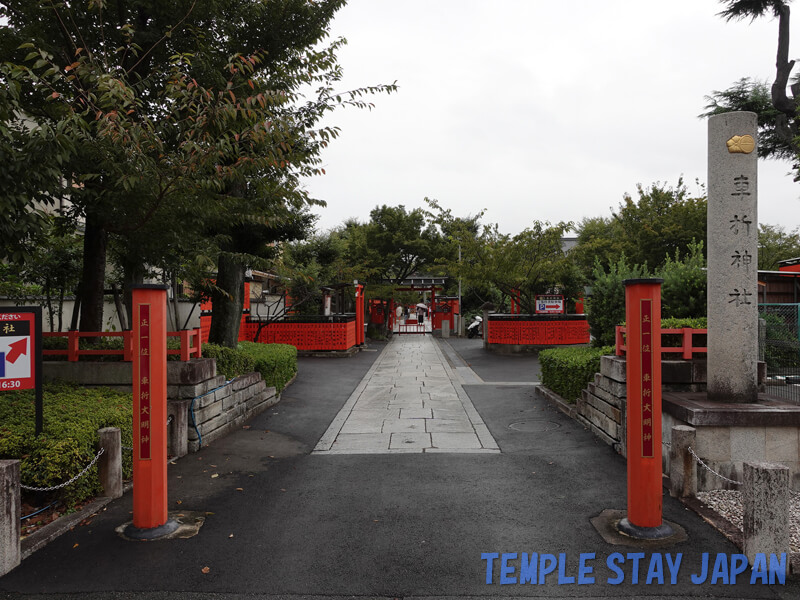
Kurumazaki shrine (Kyoto) : Popular among celebrities
The Geino (entertainment) Shrine located within the shrine precincts is dedicated to Ame-no-Uzume-no-Mikoto, a deity from Japanese mythology known for performing a dance. For this reason, it is known for bestowing blessings for proficiency in the performing arts. -
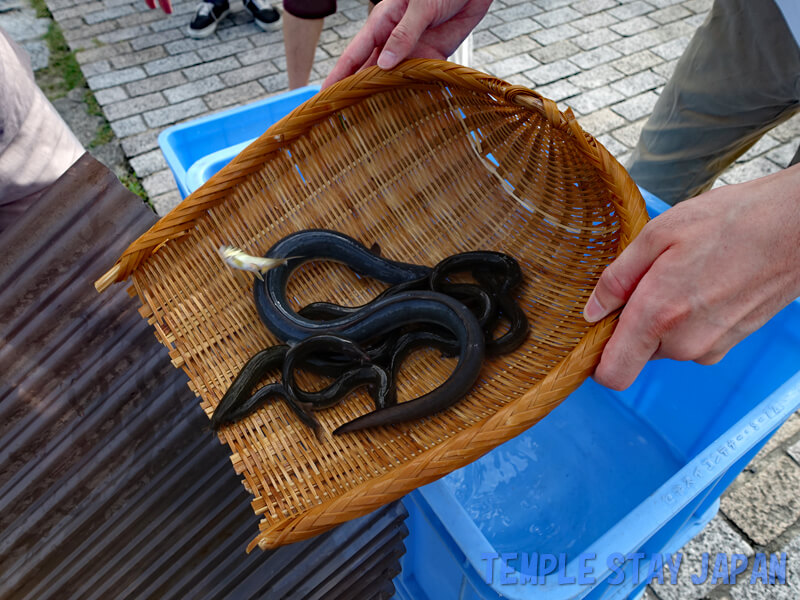
Honnoji temple (Kyoto) : A ceremony to release fish into the river
The Hojoe ceremony is held at Honnoji Temple every year on September 15th. This ceremony follows the Buddhist teaching of non-killing and involves releasing eels, loaches, and other fish into the nearby Kamo River. No reservation is required, and anyone can participate for free. -
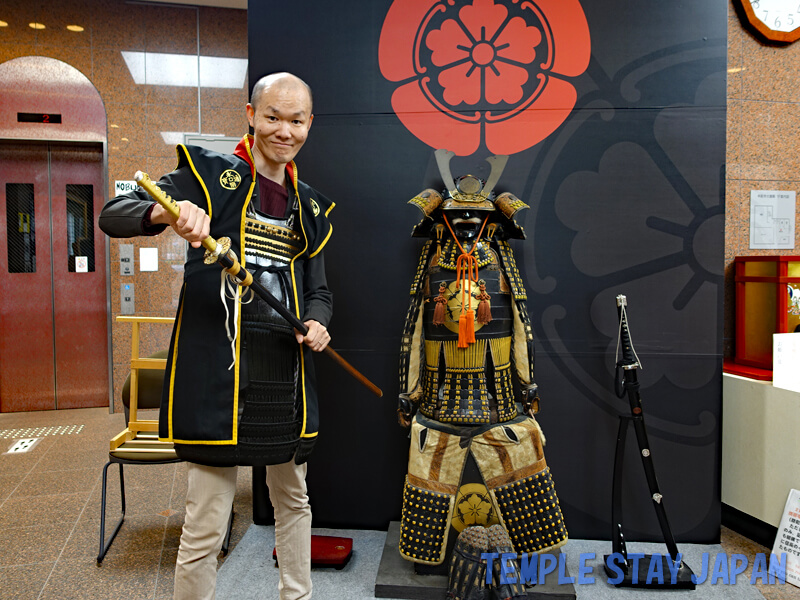
Honnoji temple (Kyoto) : Most powerful warlord rests
Honnoji Temple is the head temple of the Hokke Honmon school of Buddhism. This is the temple where Oda Nobunaga was betrayed and killed by his subordinate Akechi Mitsuhide. He was one of Japan's most famous warlord and was on the verge of unifying the country. -
Kyoto Ebisu shrine (Kyoto) : Boiling Water Ritual
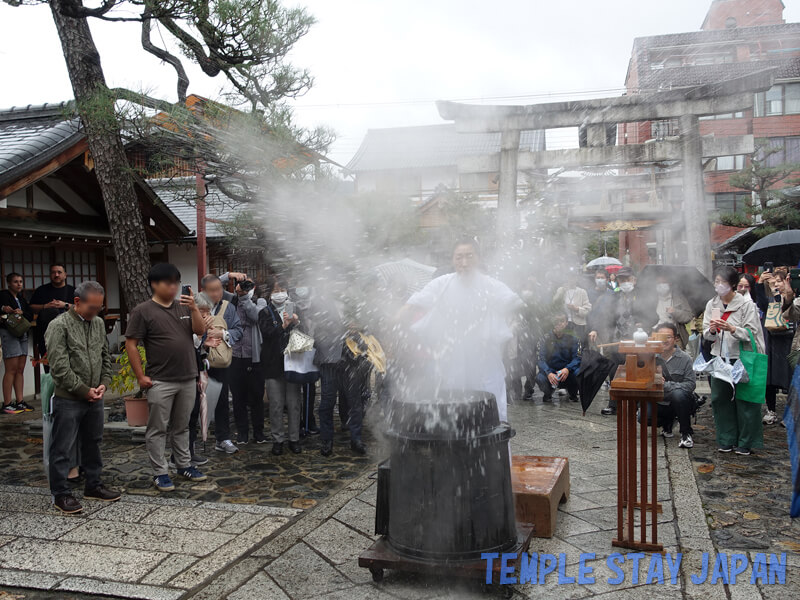
The Boiling Water Ritual will take place on November 16th, starting at 2:00 PM. The Shinto priest dipped a bundle of sakaki branches into boiling water and vigorously scattered the water all around. The hot water splashed onto me and was very hot, but I felt that, in return, I received many blessings. -
Kyoto Ebisu shrine (Kyoto) : Toka Ebisu Festival
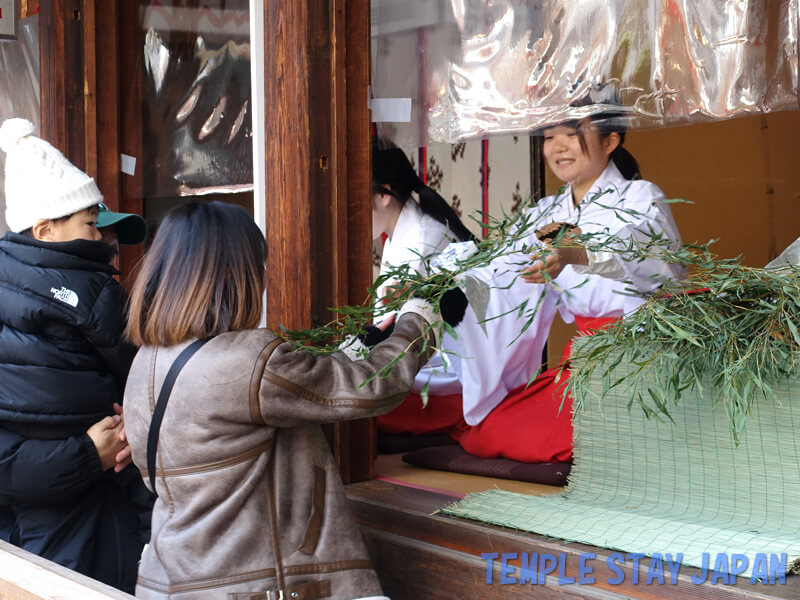
Founded in 1202, this shrine is dedicated to Ebisu, a deity associated with business prosperity. Every year, the Toka Ebisu (Ebisu Festival) is held from January 8th to 12th, centered around January 10th. At this festival, bamboo branch believed to bring good fortune were distributed. -
Shimogamo shrine (Kyoto) : Mitarashi Festival Review
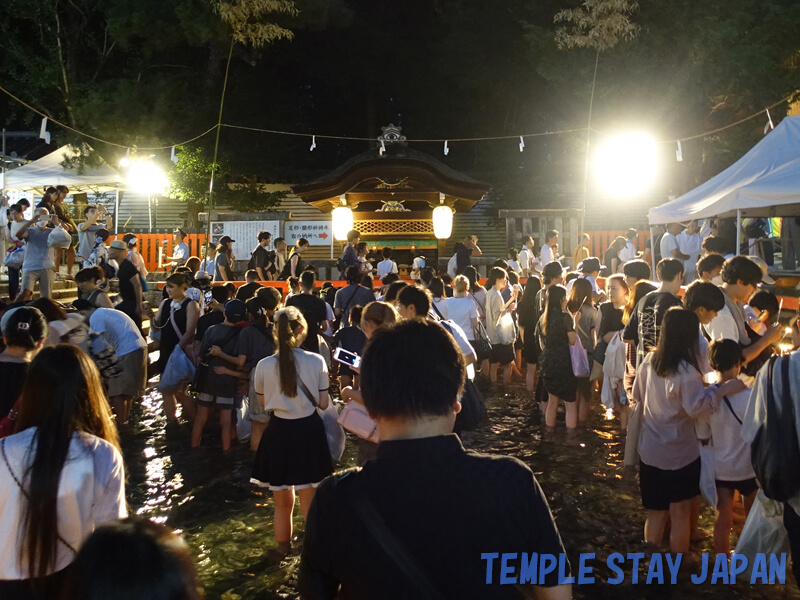
The Mitarashi Festival is held for about ten days around late July each year at the Mitarashi Pond within the precincts of Shimogamo Shrine. This is a Shinto ritual based on the belief that dipping one's feet into the pond to purify oneself during the change of seasons ensures good health and freedom from illness. -
Hyakumanben-Chionji Temple (Kyoto) : Photos and reviews of the craft market
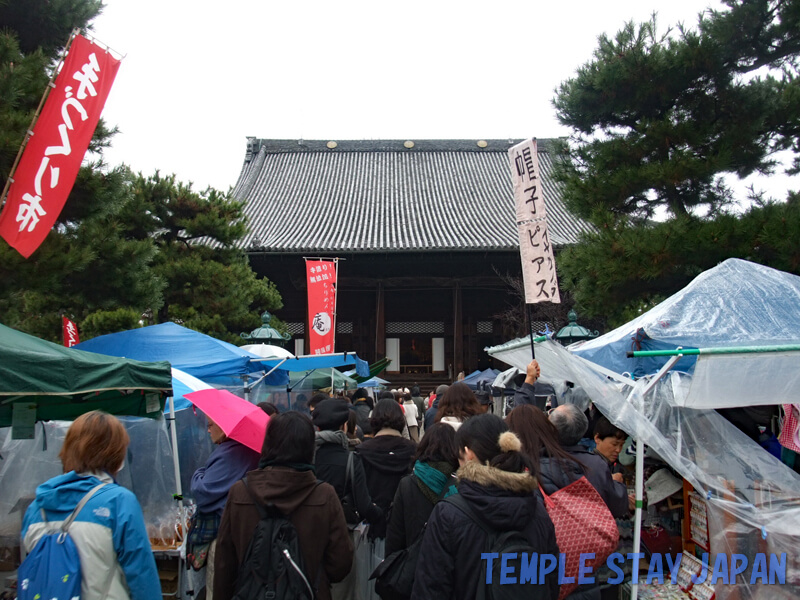
Hyakumanben Chionji is one of the head temples of the Jodo sect. A craft market is held at Hyakumanben Chionji Temple on the 15th of every month. (Closed in August) So many stalls lined the grounds that the spacious precinct felt cramped. There were a lot of unusual things, and it was fun. -
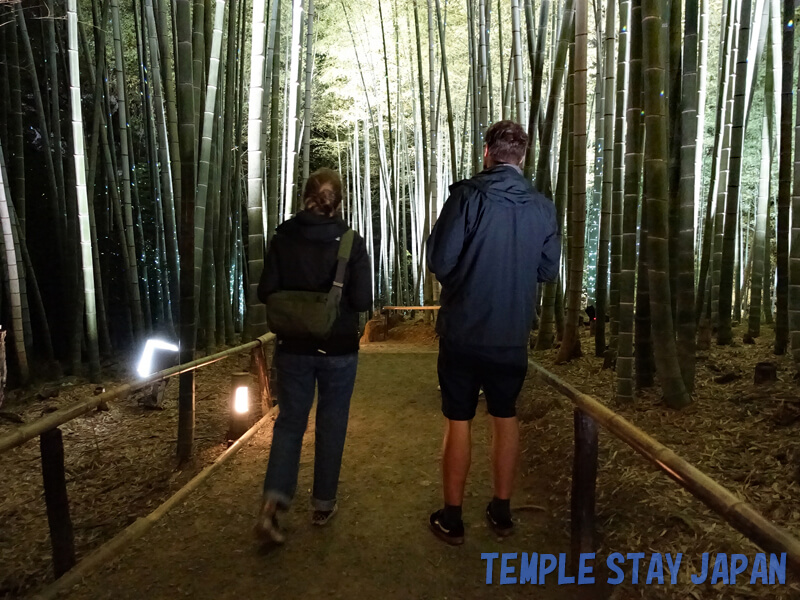
Kodaiji temple (Kyoto) : Beautiful bamboo forest at night
Kodaiji is a temple featuring a garden with two ponds that incorporates the Higashiyama mountains into its scenery. Nighttime illumination events are held for a limited time during spring, summer, and autumn. The bamboo forest within the temple grounds is a particularly popular spot.