Kyoto City? Temples and Shrines List ?
-

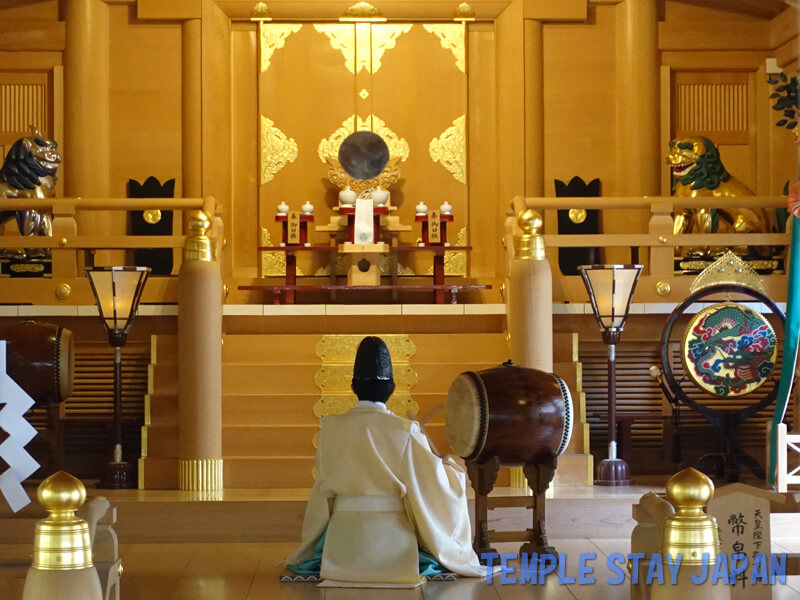
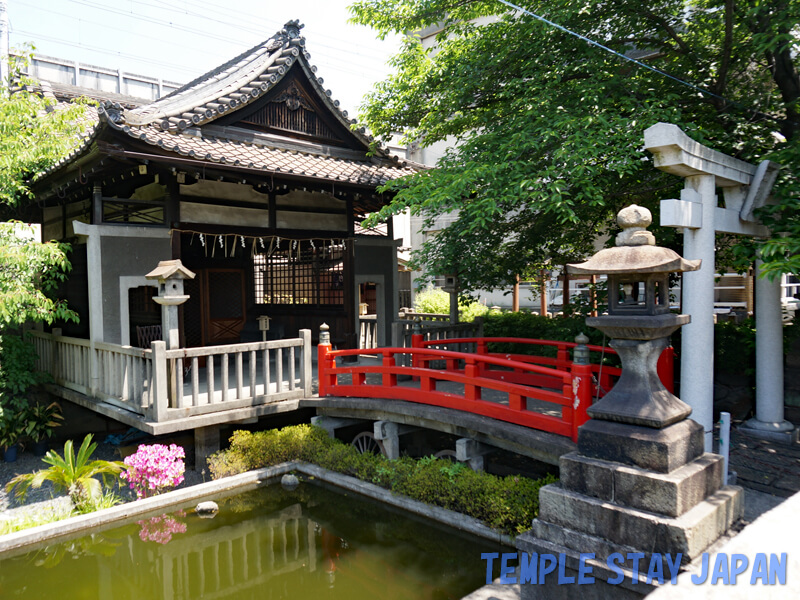
Kifune shrine (Kyoto) : Things to do
At Kifune Shrine, you can enjoy a variety of experiences, such as prayers offered before the deity, free spring water, prayers for good fortune in relationships, matcha and Japanese sweets within the shrine grounds, and meals by the riverside. -
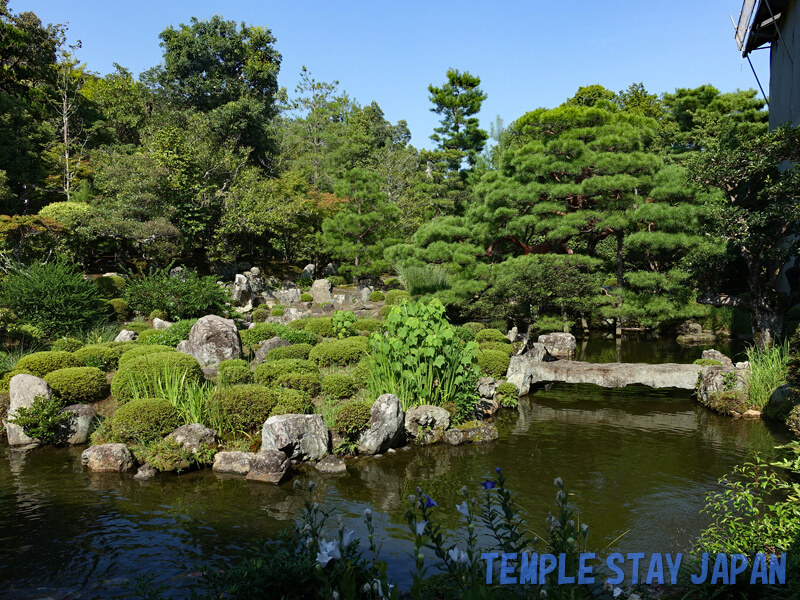
Tojiin temple (Kyoto) : A beautiful Japanese garden and matcha
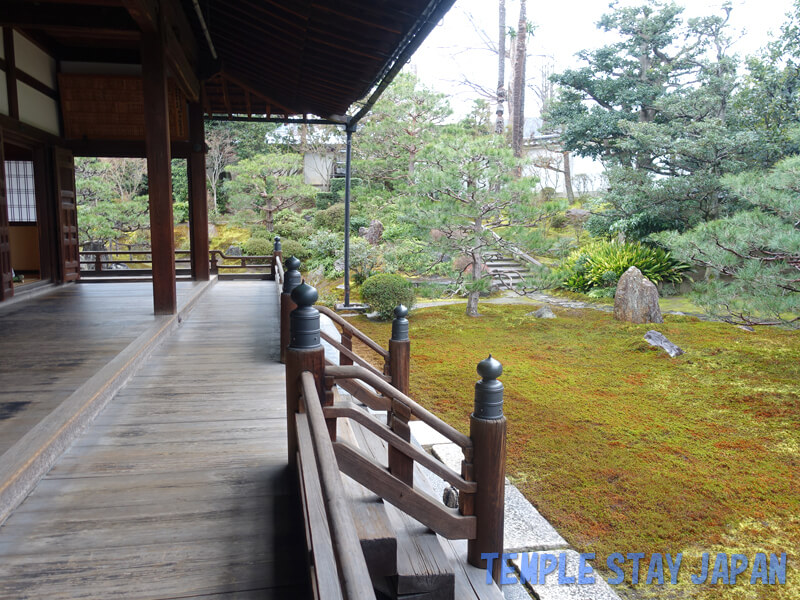
Tojiin Temple was founded in 1341 and serves as the family temple of the Ashikaga shoguns. The strolling pond garden is said to have been created by the renowned garden designer Muso Kokushi. It feels very pleasant to walk slowly through this garden. I recommend enjoying some matcha while gazing at the garden. -
Mikane shrine (Kyoto) : The shrine named Money
Mikane-jinja Shrine enshrines the guardian deity of metals and minerals. Gold coins have been minted in this area since ancient times. The name "Mikane" means money in Japanese, so the shrine has become famous as a shrine for financial luck. There is a golden torii gate at the entrance. -
Rokusonno shrine (Kyoto) : Blessings for family prosperity
The deity enshrined at Rokusonno Shrine is Minamoto no Tsunemoto. He was the first head of the Seiwa Genji clan, which established a military government. For this reason, it is said to bring prosperity to the family and good fortune in career advancement. -
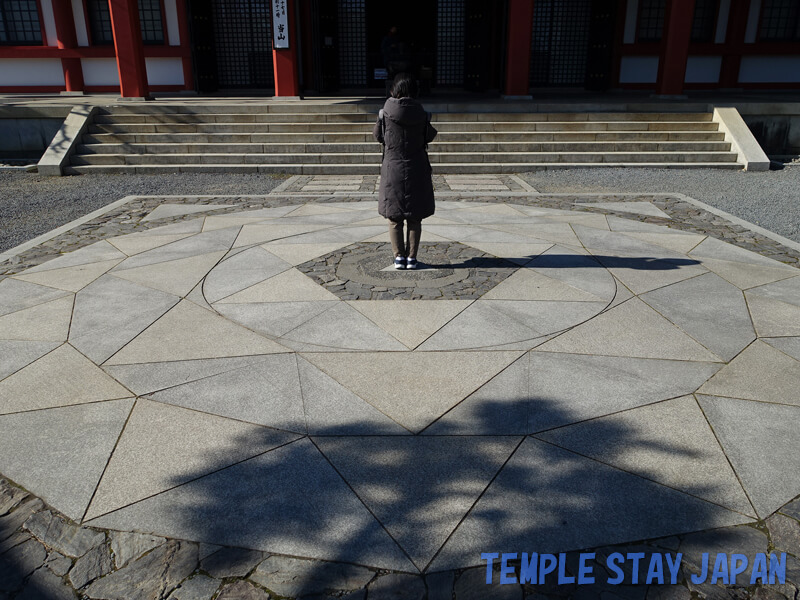
Kurama-dera temple (Kyoto) : Three ways of praying
Kurama-dera Temple is located in the mountain north of Kyoto. Kurama-dera Temple has three special places for praying to deities and Buddhas. It's the plaza in front of the main hall, the temple bell that anyone can ring, and the meditation area in the mountains. -
Shunkoin temple (Kyoto) : Zazen experience in English
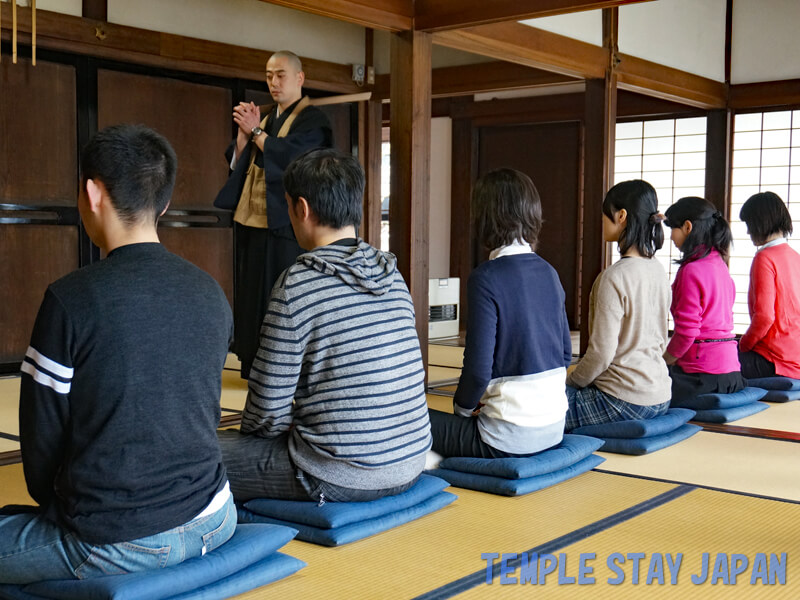
Shunkoin is a sub-temple of Myoshinji Temple that was built in 1590. You can rent out the Hojo, an important cultural property, exclusively for a special Zen experience. Zazen instruction is available in English. If you're interested, please make a reservation and participate. -
Shorinji temple (Kyoto) : Zen Meditation and Buddha statue
It is a sub-temple of Tofuku-ji Temple, founded in 1550. The statue of Vaisravana enshrined here was made during the Heian period (794-1185) and is believed to bring good fortune in wealth and victory in battle. Zen meditation sessions are available. Beginners are welcome to participate. -
Ryosokuin temple (Kyoto) : Japanese garden and zazen meditation
Ryosokuin is a sub-temple of Kenninji Temple, founded in 1358. There is a beautiful Japanese garden and a temple dedicated to Bishamonten (Vaisravana). Regular zazen sessions are held, and group zazen sessions are also available. The program includes zazen, sermons, and a stroll around the temple grounds. -
Fushimi-Inari shrine (Kyoto) : Red Torii gates Tunnel
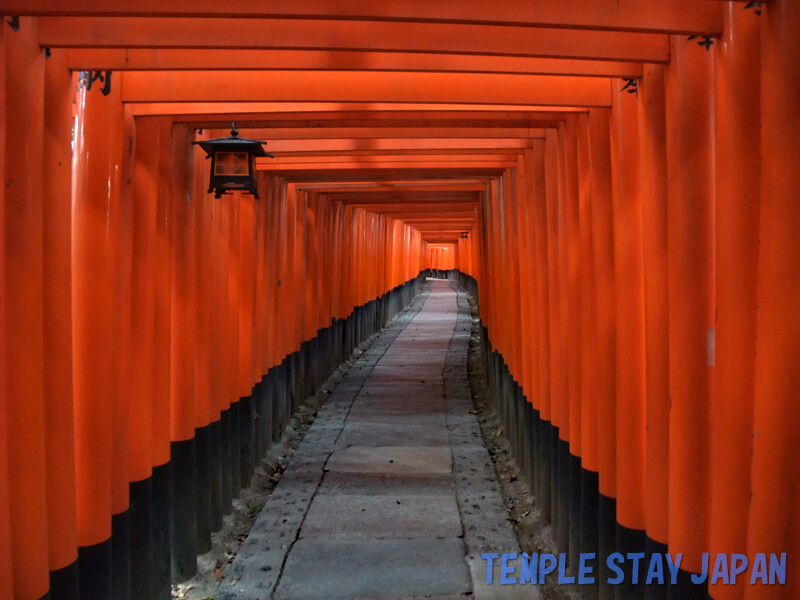
Fushimi-Inari is the head shrine of the 30,000 Inari shrines throughout Japan. It is said to grant good fortune in bountiful harvests, prosperous business, and safety in the home. Fushimi Inari is famous for the countless red torii gates lined up in a row. There are also wishing stone. -
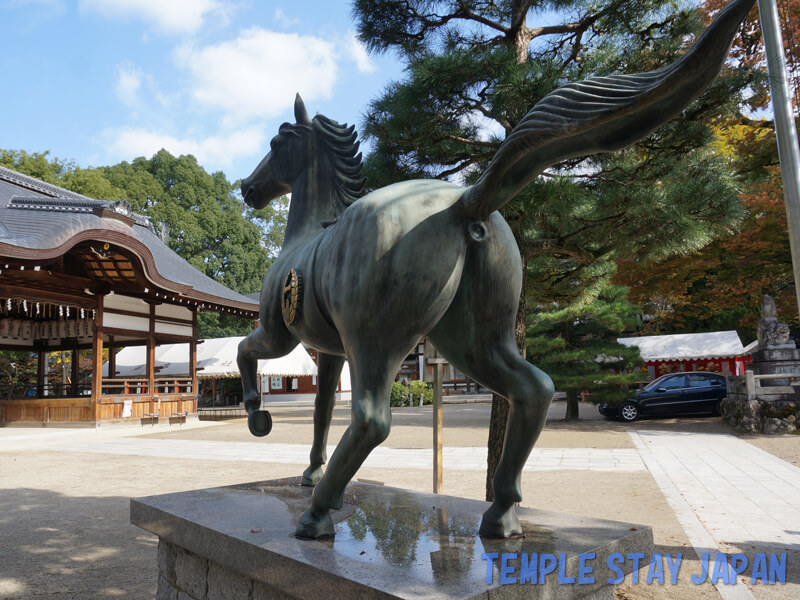
Fujinomori shrine (Kyoto) : Horse racing fans gather
Fujinomori-jinja Shrine was founded about 1,800 years ago. The ritual of running horses has been handed down since ancient times. As a horse shrine, it is visited by many people involved in horse racing, jockeys, and fans. There were a lot of things related to horses in the shrine grounds.