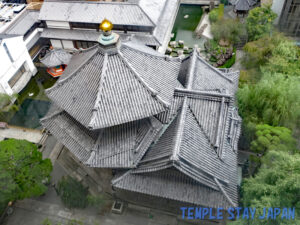
Kifune shrine
|
TEL :075-741-2016 Address :180 Kuramakibunecho, Sakyo Ward, Kyoto Access :Eizan Railway Demachiyanagi Station > (train) > Kibuneguchi Station > (Kyoto Bus number 33) > Kibune bus stop > 5 minutes walk Parking :There is a parking lot(Paid) |
Introduction to Kifune shrine
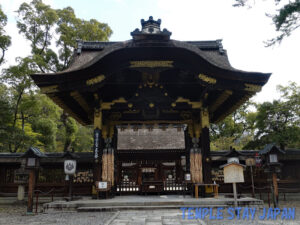
Kifune Shrine is dedicated to the deity of water. The exact date of its founding is unknown, but it is said to have originated from a shrine built around 1600 years ago on a site where clear spring water gushed forth.
To get to Kifune Shrine, take a train or bus from Kyoto Station to Demachiyanagi Station, then take the Eizan Railway and get off at Kibuneguchi Station. Alternatively, you can take the train from Kyoto Station to Kokusai-Kaikan Station and then take a bus to Kibuneguchi.
You can reach Kifune Shrine by walking for 30 minutes from Kifuneguchi Station or by taking a bus from in front of the station.
The journey from Kyoto Station takes approximately 1 hour and 30 minutes.
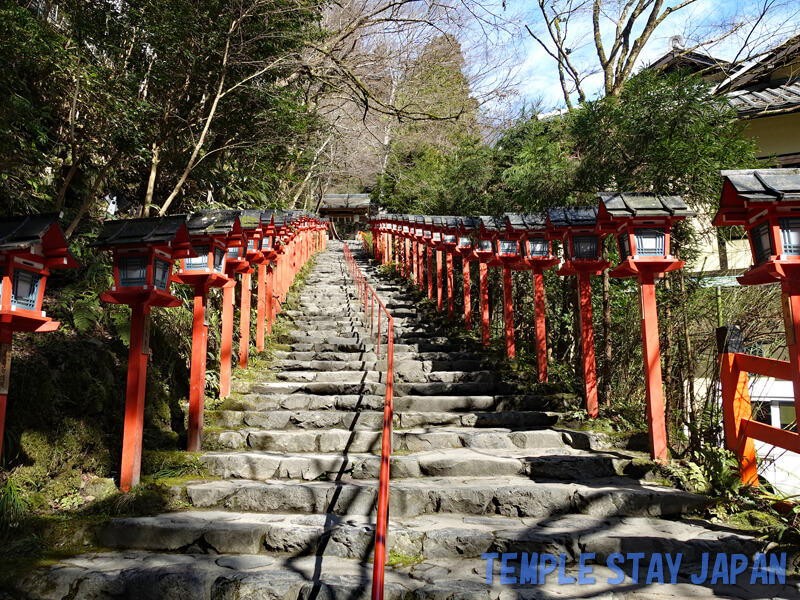
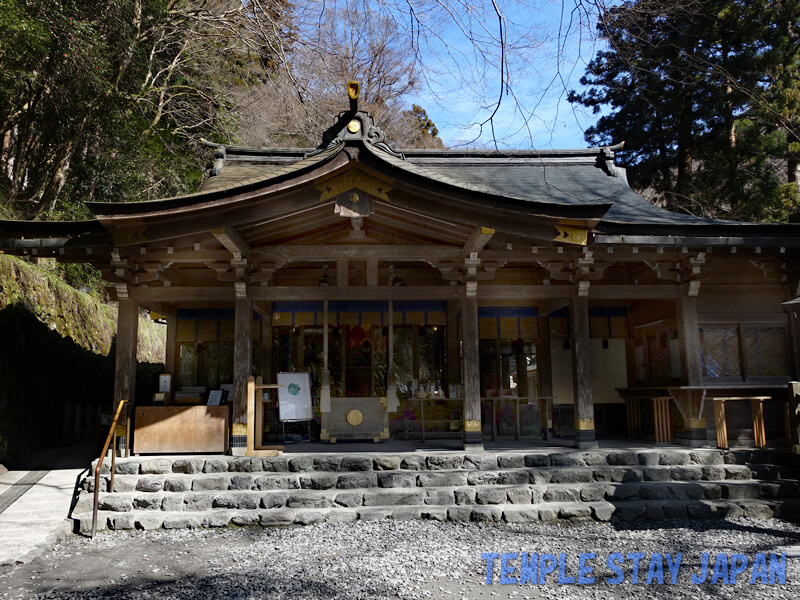
Kifune Shrine consists of three shrines: the main shrine, the Yui shrine, and the Okumiya shrine. There is no entrance fee for these places.
Shrine of pure water
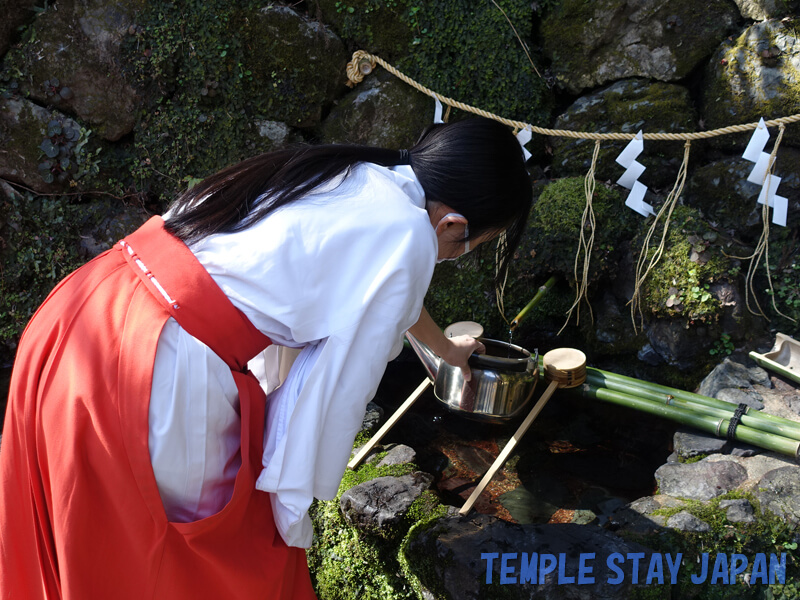
Water still springs forth within the shrine grounds. You can fill your water bottle or plastic bottle with this water for free. Bottles for collecting spring water are also sold there.
The shrine maiden was also drawing water.
Fortune slips that reveal characters when floated on water are popular.
The origin of ema (votive tablets)
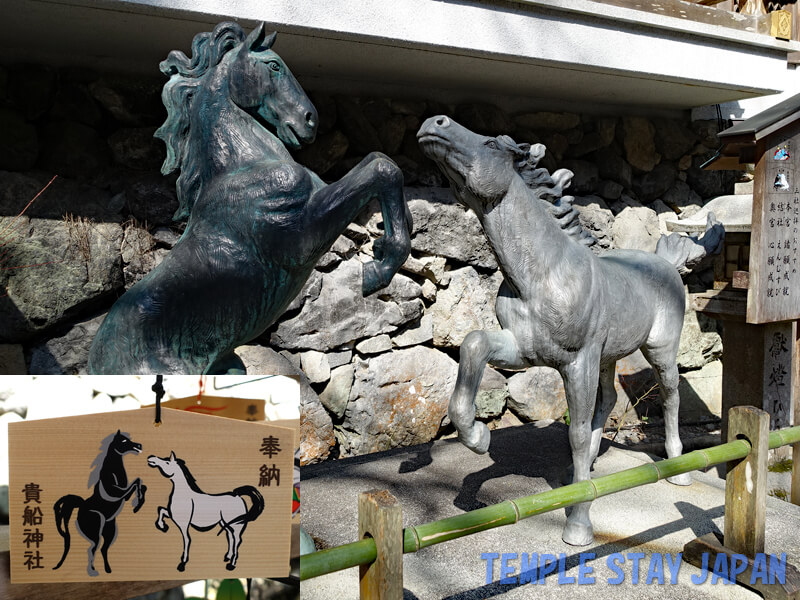
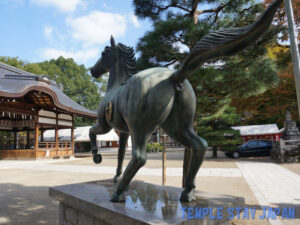
At Kifune Shrine, prayers for rain and for stopping rain have been offered since ancient times. When praying for rain, black horses are offered, and when praying for the rain to stop, white or red horses are offered.
Ema are wooden tablets on which people write their wishes and offer them at temples and shrines throughout Japan. This practice originated from the practice of offering paintings of horses instead of live horses. In Japanese, “ema” means a picture of a horse.
Within the grounds of Kifune Shrine, there are statues of horses, marking the birthplace of ema.
Other highlights
Kifune Shrine offers a wide variety of items, including amulets, fortune slips, and goshuin (stamped seals).
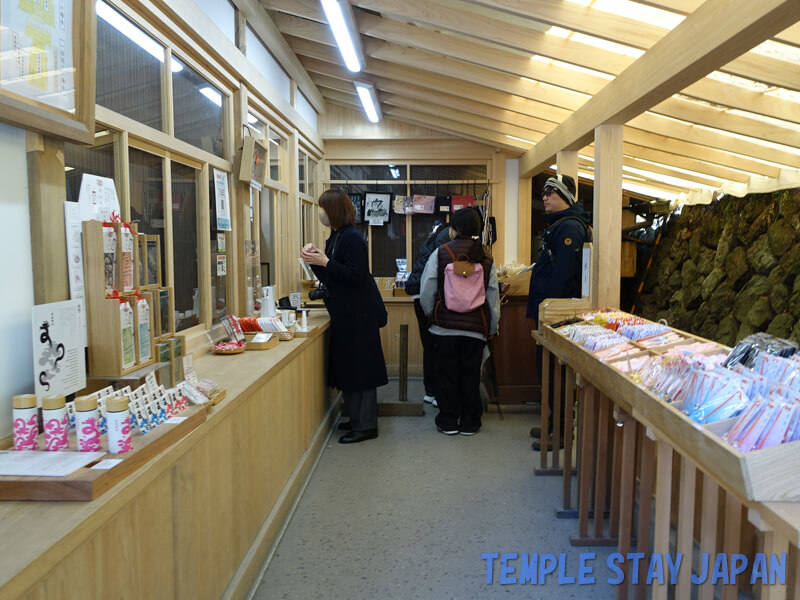
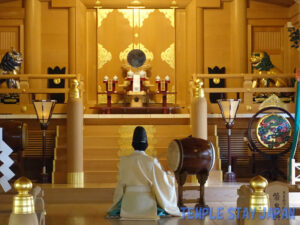
You can enjoy a variety of experiences, such as prayers offered before the altar, petitions for a fortunate match, matcha and Japanese sweets within the shrine grounds, and meals by the riverside.
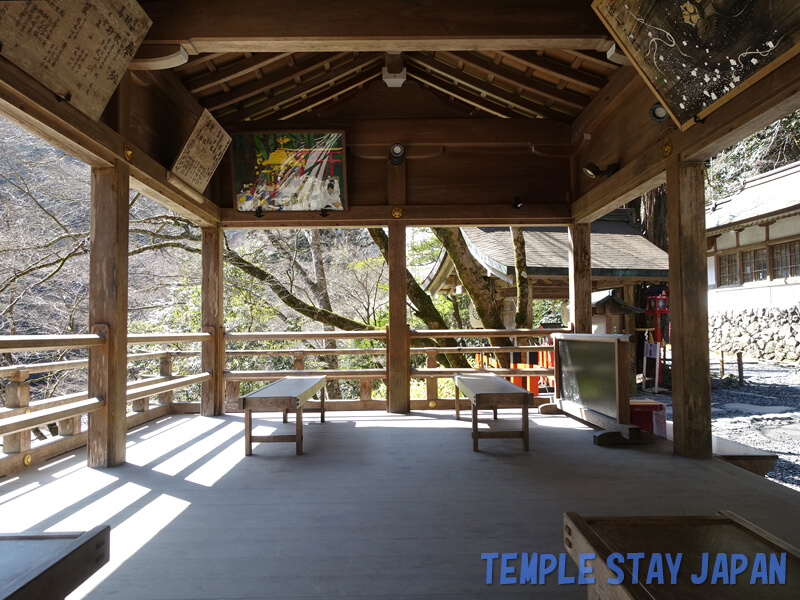
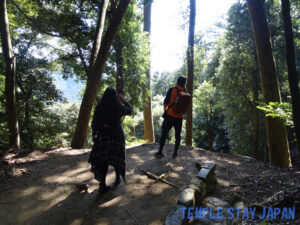
There is a place where you can take a break. Some people walk up and down the slope to the Okumiya, or cross the mountain from Kurama Temple, so take a rest if you get tired.
Visiting three shrines
In addition to the Honmiya (main) shrine mentioned here, Kifune Shrine also has a Yui (connection) shrine and Okumiya (inner) shrine. Both are within walking distance, so please check out the links below and do visit them.