Kyoto City? Temples and Shrines List ?
-

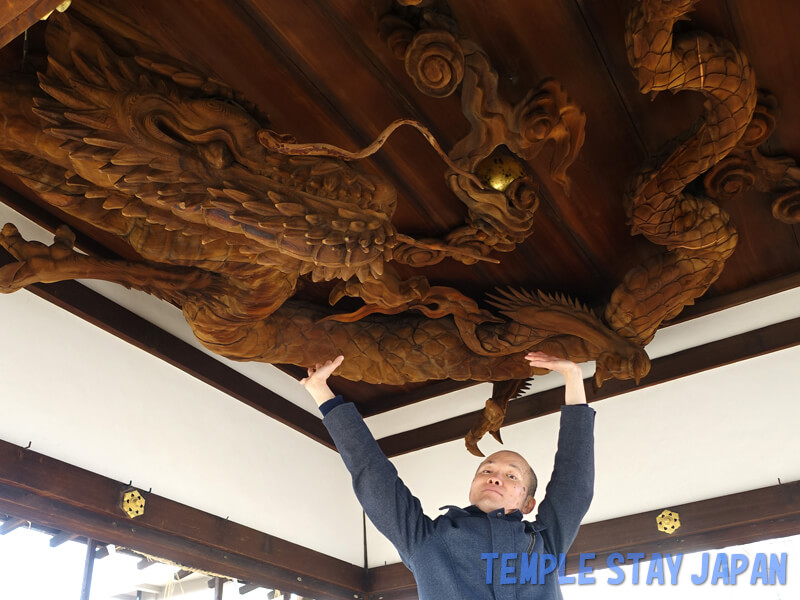
Takio shrine (Kyoto) : Meet a giant dragon
This shrine enshrines Onamuchi-no-Mikoto as its principal deity. Mahakala, Sarasvati, and Vaisravana are also enshrined here. There is a dragon carving on the ceiling of the worship hall. It was 8 meters (26.25 feet) long and so intricately made that it was feared to come to life at night. -
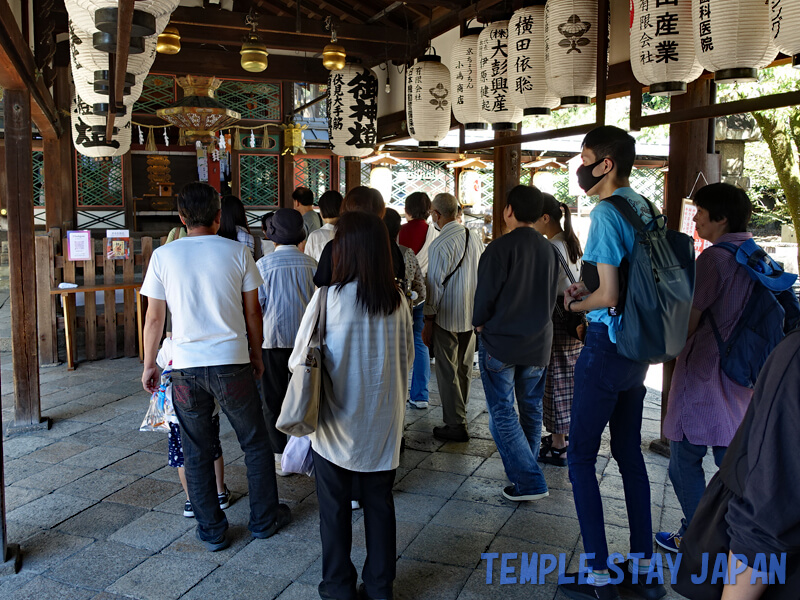
Gokonomiya shrine (Kyoto) : Healing spring water
The exact date of its founding is unknown, but it is a historically significant shrine with records indicating that fragrant water gushed forth within its grounds in 862. Gokonomiya means "fragrant shrine" in Japanese. Legend says that the water that springs from the shrine grounds instantly cures illnesses when drunk. -
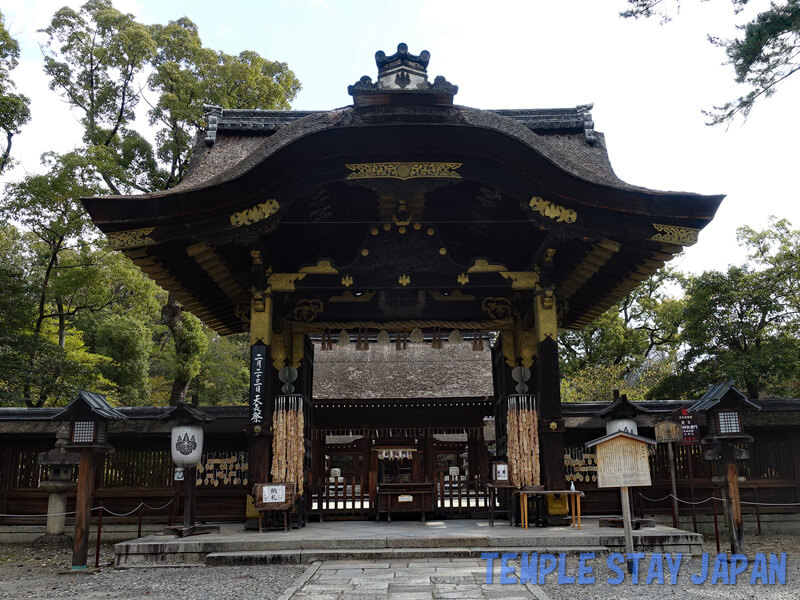
Toyokuni shrine (Kyoto) : Toyotomi Hideyoshi’s shrine
This shrine enshrines Toyotomi Hideyoshi, who rose from a peasant to unify Japan. In front of the main hall is the Karamon gate, which is designated as a national treasure. Within the shrine grounds, there is a treasure museum displaying items associated with Toyotomi Hideyoshi. -
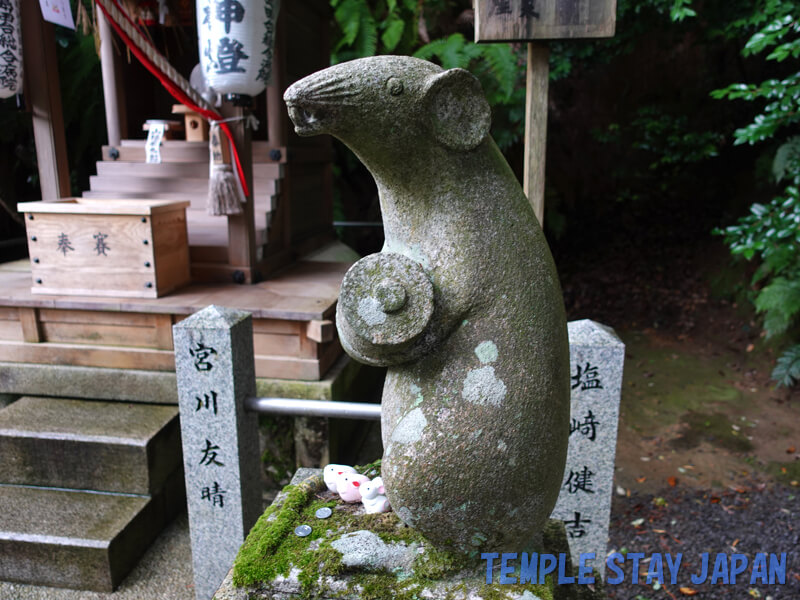
Ootoyo shrine (Kyoto) : The mice will bestow good fortune upon you
Ootoyo-jinja shrine was founded in 887 to pray for the recovery of Emperor Uda from illness. The enshrined deity is Sukunahikona-no-Mikoto, the god of medicine. This shrine features statues of various animals, representing messengers of different gods. Mice are particularly well-known. -
Mugekoin temple (Kyoto) : Saturday Night Zazen Session
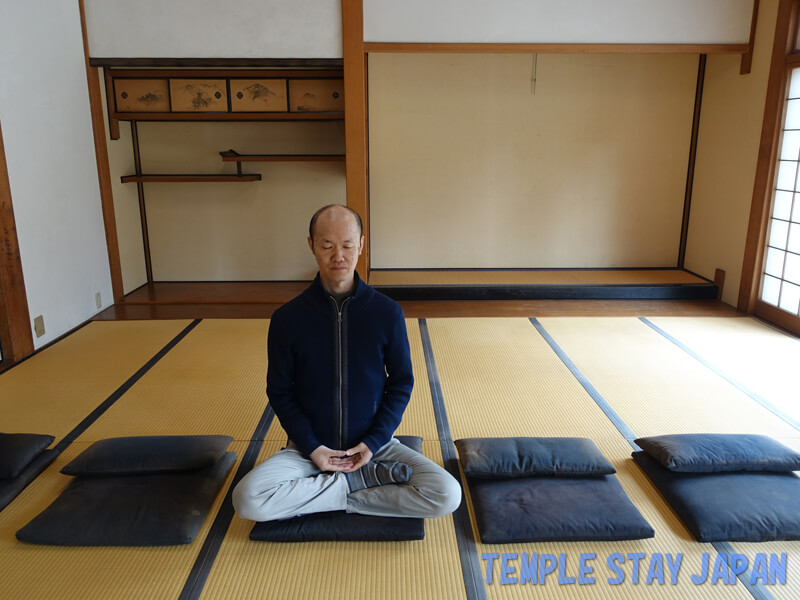
Mugekoin is a Rinzai sect temple located to the east of Shimogamo-jinja Shrine. Zazen (zen meditation ) sessions are held every Saturday from 6pm to 7pm. Beginners and foreigners are welcome. -
Daioin temple (Kyoto) : Morning Zazen Session
Daioin is a sub-temple of Myoshinji Temple that was built in 1603. A Zazen (Zen meditation) session is held in the main hall about once a month. It usually starts at 6:30am on the third or fourth Saturday of each month. No reservations are required to participate. -
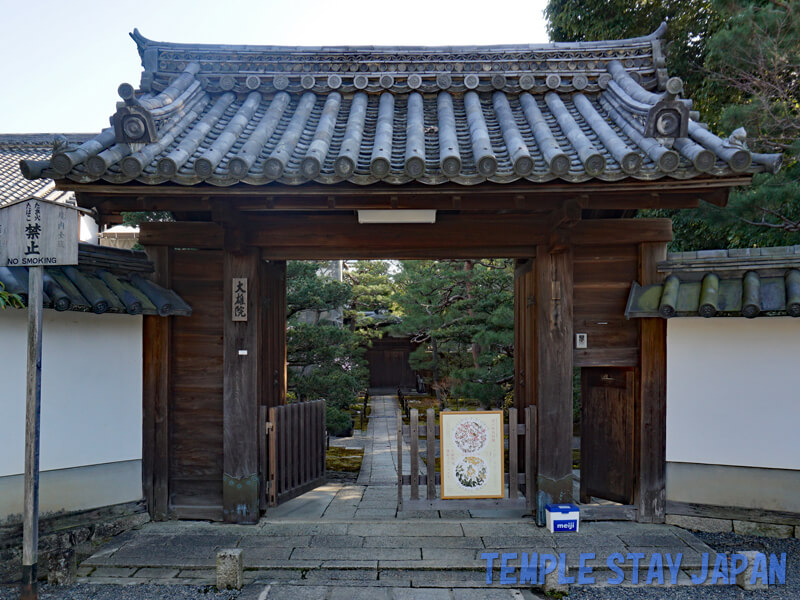
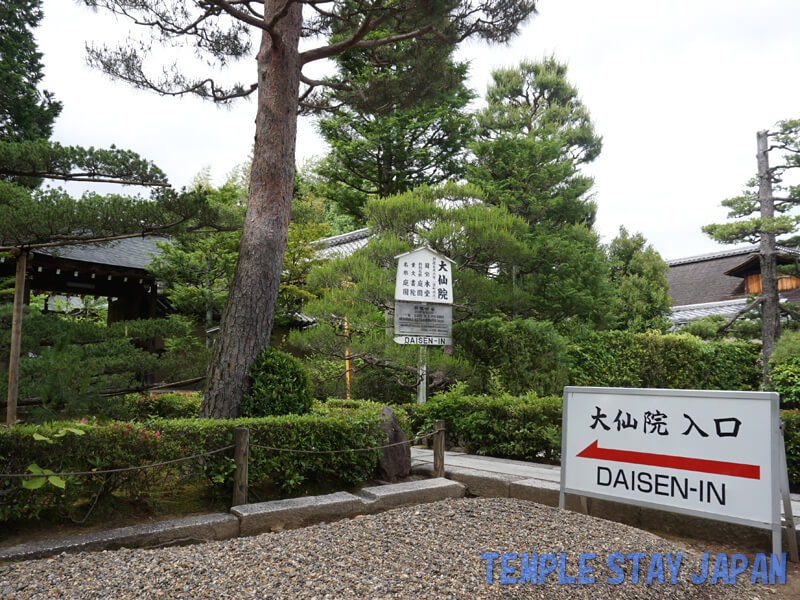
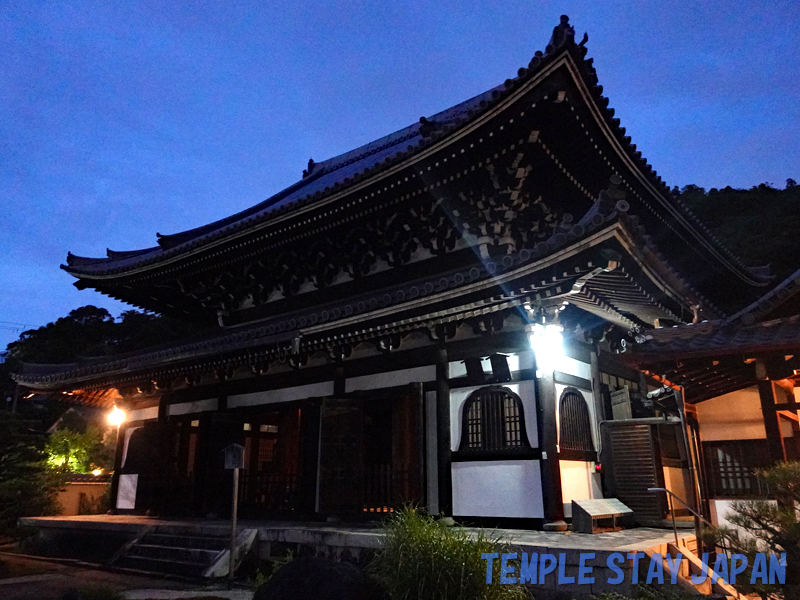
Daisenin temple (Kyoto) : Zazen (Zen Meditation) experience
Daisenin is a sub-temple of Daitokuji Temple, founded in 1509. It is famous for its Hojo (main hall), which is designated as a national treasure of Japan, and its beautiful dry landscape garden. There is a "Premium Zazen Experience Course" for groups of 2 to 6 people. -
kounji temple (Kyoto) : Saturday Night Zazen Session
At Kounji Temple, zazen (zen meditation ) sessions are held every Saturday from 8:00 to 9:00 p.m. I happened to be staying at a nearby hotel, so I attended a zazen session. As I was doing zazen, I heard the sound of frogs croaking outside the main hall. As I sat there, breathing slowly, I felt very calm. -
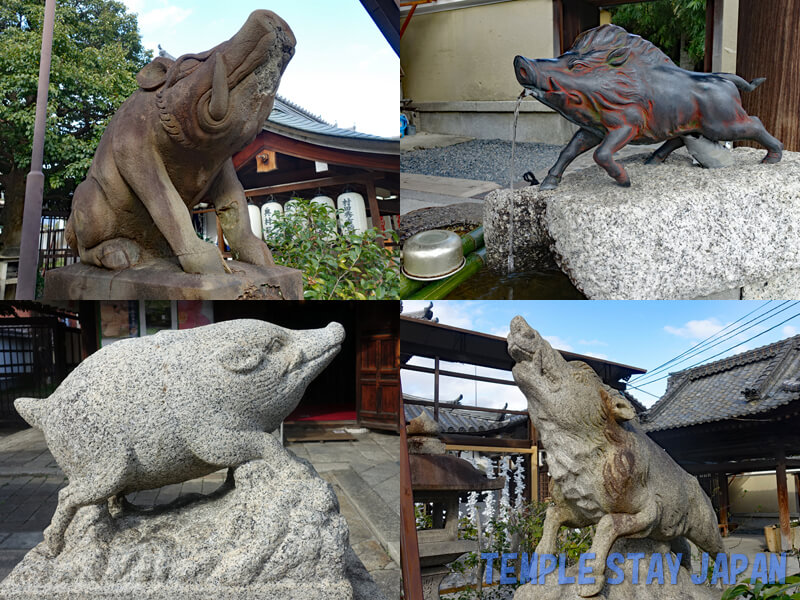
Zenkyoan temple (Kyoto) : Lots of boar statues
Zenkyoan is a sub-temple of Kenninji Temple. This temple is dedicated to Marici, the deity of heat haze in ancient India. Boars are said to be messengers of Marici, and there are many boar statues within the temple grounds. Once a month, a Zazen (Zen meditation) and sermon meeting is held. -
Zenkyoan temple (Kyoto) : Mystical prayers and Zen meditation sessions
Zenkyoan is a sub-temple of Kenninji Temple. At Zenkyoan, prayers and Zen meditation sessions are held once a month. The prayer service will begin at 10:00, followed by a Zen meditation session around 10:30. These events are open to everyone and do not require reservations.