Kyoto City? Temples and Shrines List ?
-

Kodaiji temple (Kyoto) : History , Highlights , Access
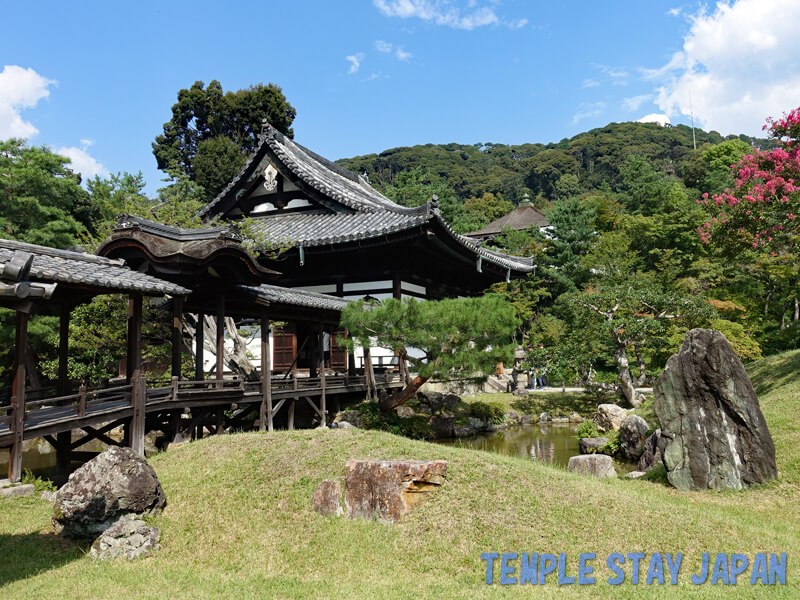
Kodaiji Temple was founded in 1606 by Nene, the wife of Toyotomi Hideyoshi, to commemorate him, who rose from a peasant background to unify Japan. Many of the halls are designated as important cultural properties, and the Japanese garden, said to have been created by Kobori Enshu, is also magnificent. -
Kitano-Tenmangu shrine (Kyoto) : The head shrine of Tenmangu
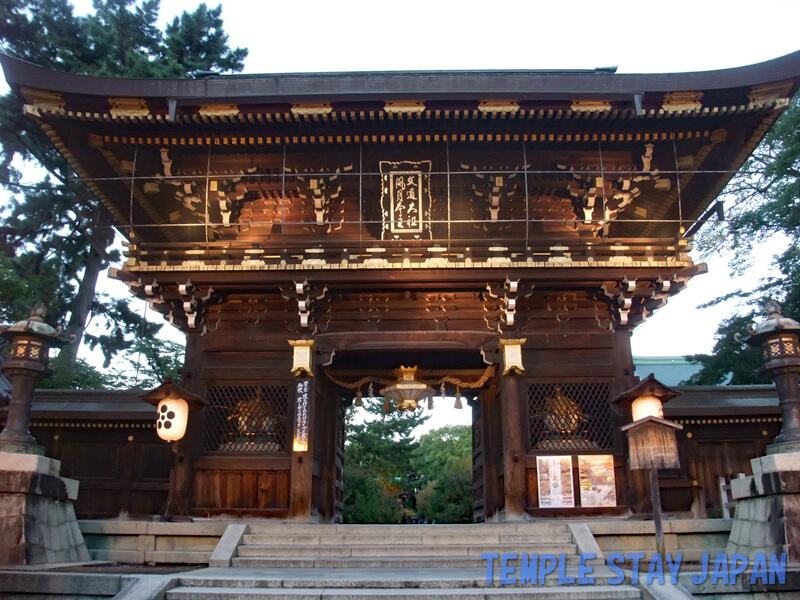
Kitano-Tenmangu Shrine was founded in 947. The shrine enshrines Sugawara no Michizane, who is known for granting academic benefits. It is the head shrine of the approximately 12,000 Tenmangu shrines and Tenjin shrines throughout Japan. There is a festival on the 25th of every month. -
Kiyomizu-dera temple (Kyoto) : Building on a cliff
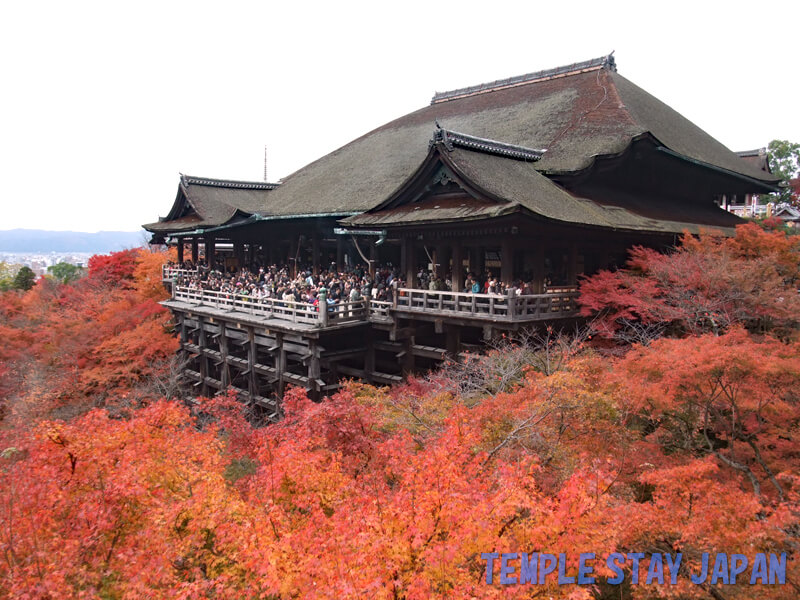
Kiyomizu-dera Temple was founded in 778. There are over 30 buildings within the temple grounds, including national treasures and important cultural properties. The most popular attraction at Kiyomizu-dera Temple is the stage in front of the main hall. It is built on a cliff and is 13 metres (42.65 feet) high. -
Bukkoji temple (Kyoto) : Morning service
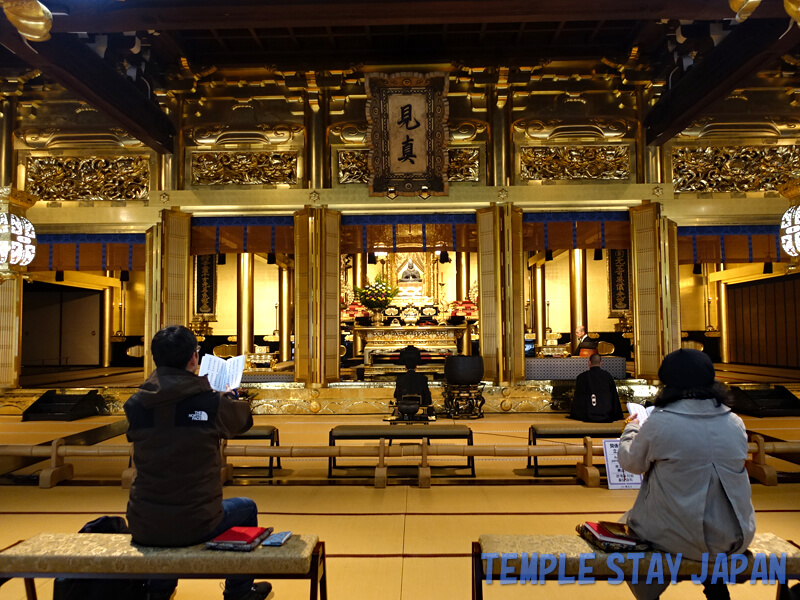
This is the head temple of the Shinshu Bukkoji sect. Every morning at 7:00 AM, services are held in the Amida Hall and the Daishi Hall. The sound of a bell rang out from outside, and we all chanted "Namu Amida Butsu." The chanting was very fast-paced and pleasant to listen to. -
Bukkoji temple (Kyoto) : Access ,Highlights , cafe
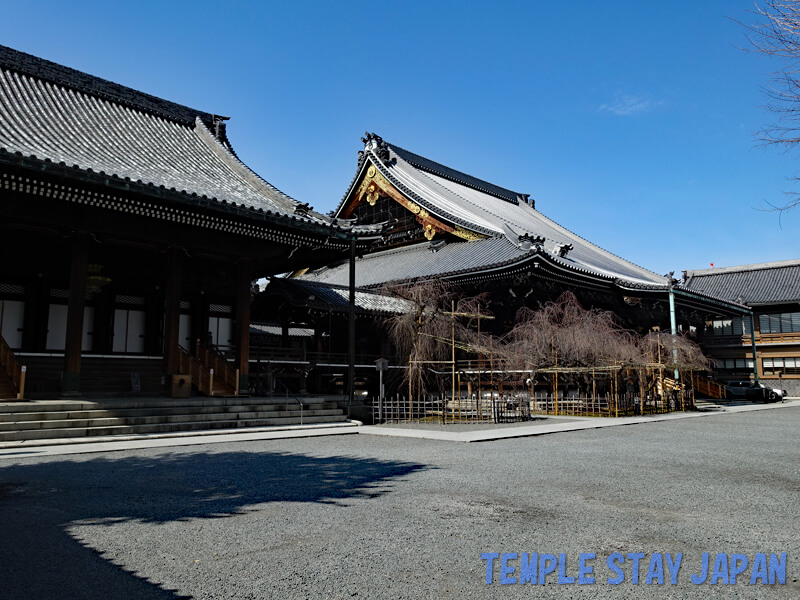
This is the head temple of the Shinshu Bukkoji sect. Bukkoji Temple is located just off a small side street, away from the bustling Shijo Karasuma shopping arcade. Upon entering the temple grounds, the first thing that caught my eye were the two large halls. There was a cafe on the temple grounds, so I had a meal there. -
Rokkakudo temple (Kyoto) : Hexagonal hall
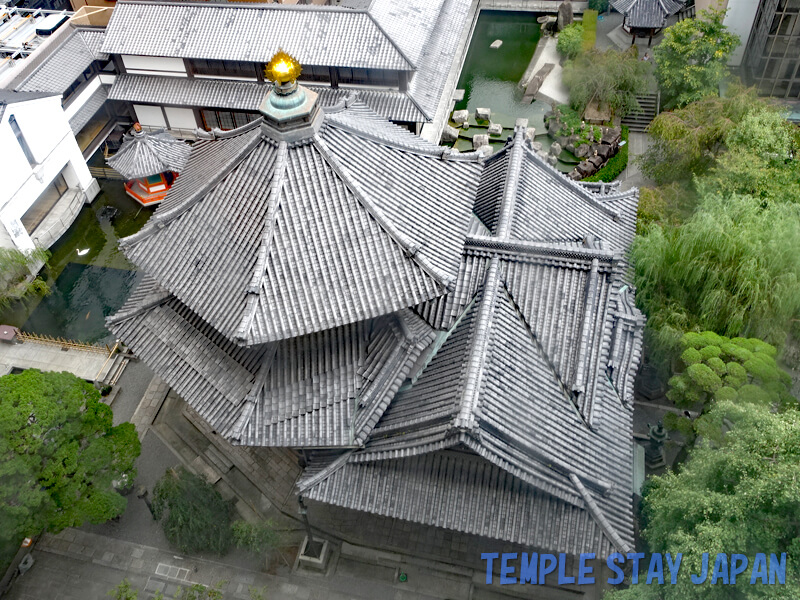
Rokkakudo Temple was founded in 587 by Prince Shotoku, who spread Buddhism throughout Japan. In Japanese, "Rokkaku" refers to a hexagonal shape. Its official name is Chohoji, but it is known by this name because the shape of its main hall is hexagonal. -
Kifune shrine (Kyoto) : Access , entrance fee , highlights
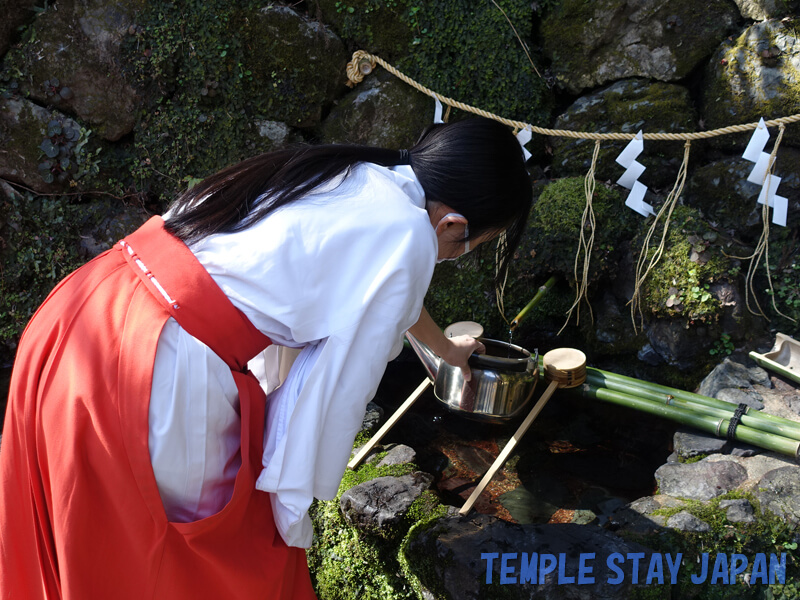
Kifune Shrine is dedicated to the deity of water. The exact date of its founding is unknown, but it is said to have originated from a shrine built around 1600 years ago on a site where clear spring water gushed forth. Water still springs from the grounds of the shrine, and you can drink it for free. -
Nogi shrine (Kyoto) : The blessings of victory
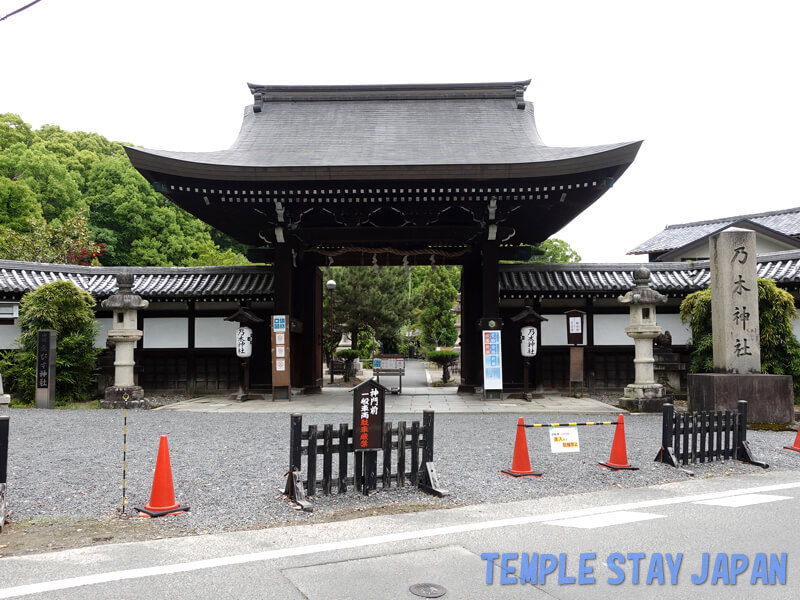
Nogi Shrine is a shrine dedicated to Nogi Maresuke and his wife, Nogi Shizuko, who made significant contributions to Japan's victory in the Russo-Japanese War. Within the shrine grounds, there is a spring of famous water from Fushimi, and it is said that drinking it will bring you good luck in winning. -
Araki shrine (Kyoto) : fox figurines for matchmaking
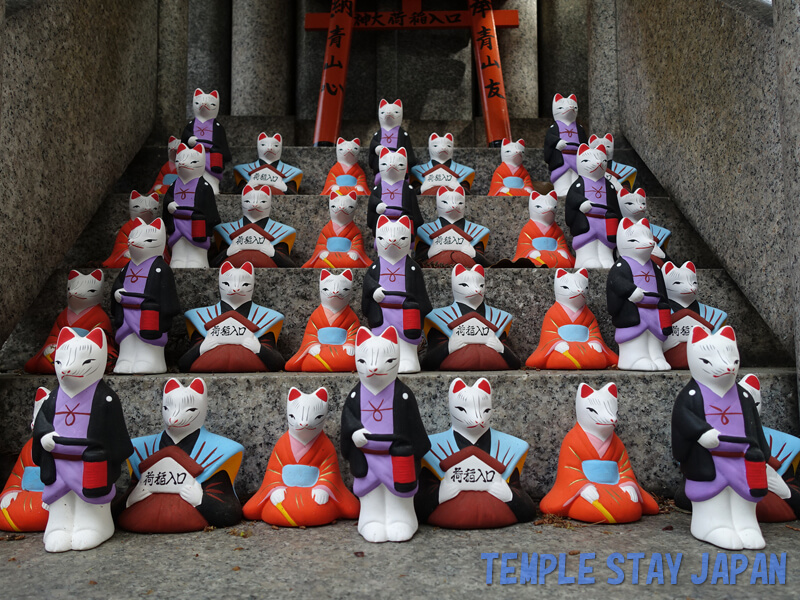
This shrine is located beyond Mount Inari, after entering from Fushimi Inari Taisha. The couple and their accompanying fox figurines are said to bring good fortune in matchmaking. These fox figurines and amulets are sold here. -
Doso shrine (Kyoto) : Shrine near Kyoto Station
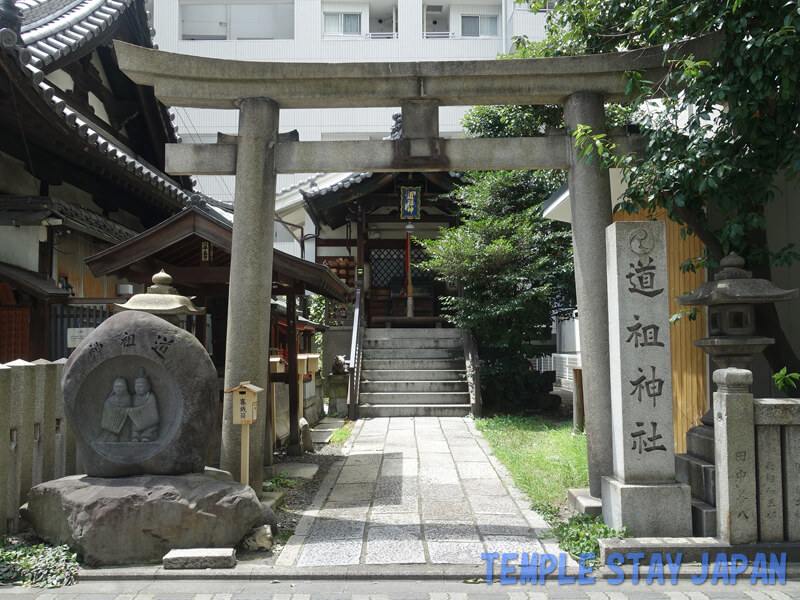
This is a shrine that enshrines the Dosojin (traveler's guardian deity). They were originally built at the entrance to villages to ward off epidemics. At the entrance to the shrine, a stone monument carved with a male and female deity together catches your eye.