Japan? category ?
-

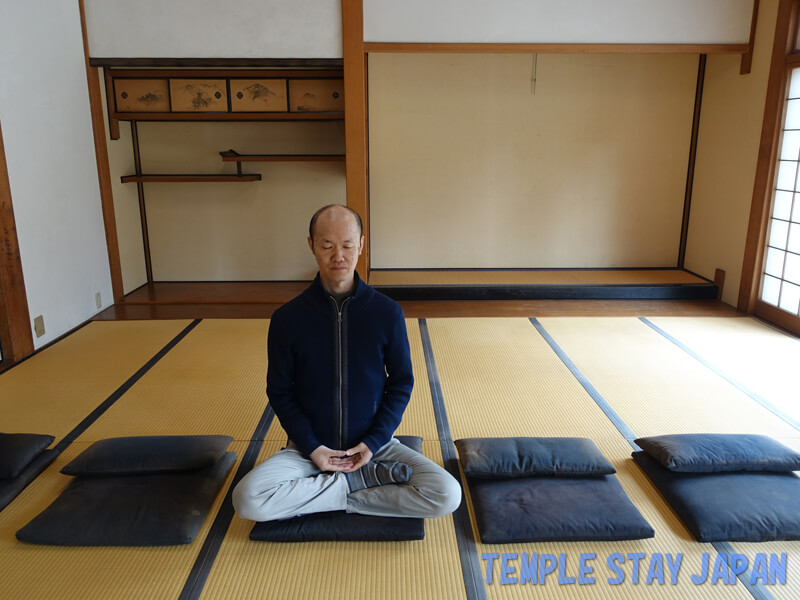
Zenkyoan temple (Kyoto) : Mystical prayers and Zen meditation sessions
Zenkyoan is a sub-temple of Kenninji Temple. At Zenkyoan, prayers and Zen meditation sessions are held once a month. The prayer service will begin at 10:00, followed by a Zen meditation session around 10:30. These events are open to everyone and do not require reservations. -
Kinkakuji temple (Kyoto) : Things to do
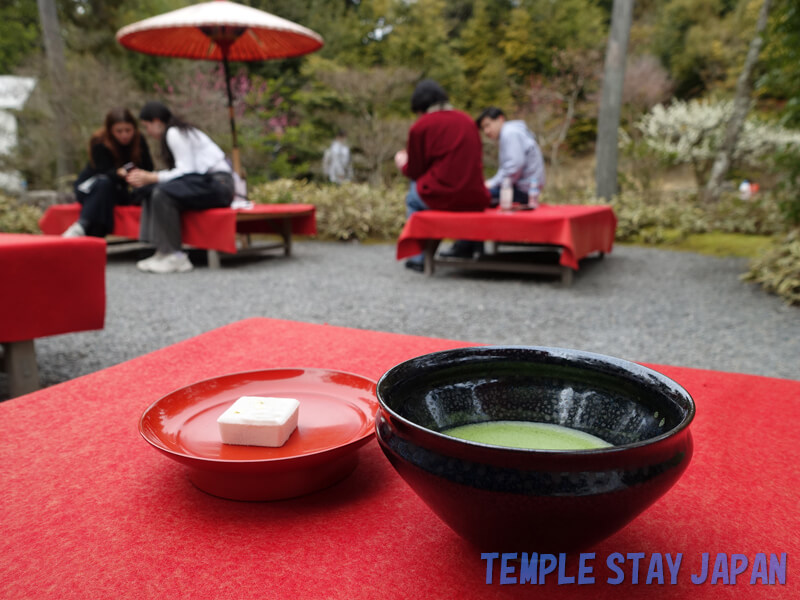
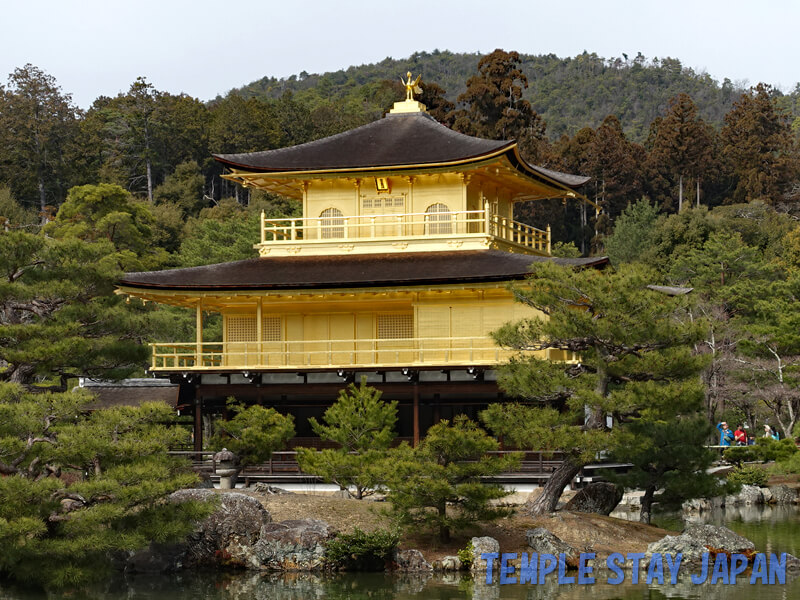
Kinkakuji is a temple famous for its Golden Pavilion, which is covered in genuine gold leaf. You can enjoy a variety of experiences, such as tossing a coin to make a wish, drinking matcha, copying sutras, and offering incense or candles. English-language fortune slips are also available. -
Kinkakuji temple (Kyoto) : The Golden Pavilion and 7 Highlights
Its official name is Rokuonji, but it is known as Kinkakuji because of the Kinkaku (Golden Pavilion) located on its grounds. The Golden Pavilion is a three-story structure; it is unique in that its upper two stories are covered with genuine gold leaf. There are various other highlights within the temple grounds as well. -
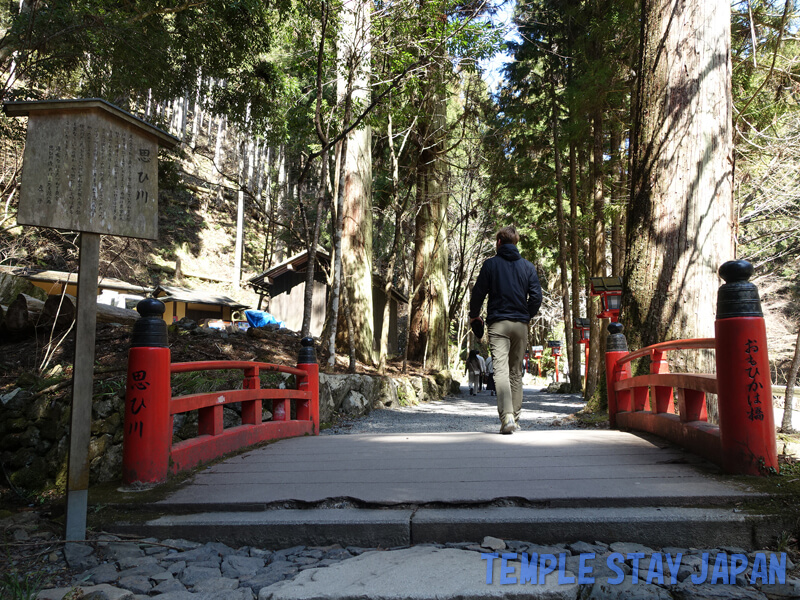
Kifune shrine (Kyoto) : Walking through three shrines
Kifune Shrine is located north of Kyoto. The Honmiya (main) shrine, the Yui (connection) shrine, and the Okumiya (inner) shrine are located along the Kibune River, and it is said that it is good to visit all three shrines. Visiting all three companies will take approximately 1 hour 30 minutes to 2 hours. -
Kurama-dera temple (Kyoto) : Photos and Reviews
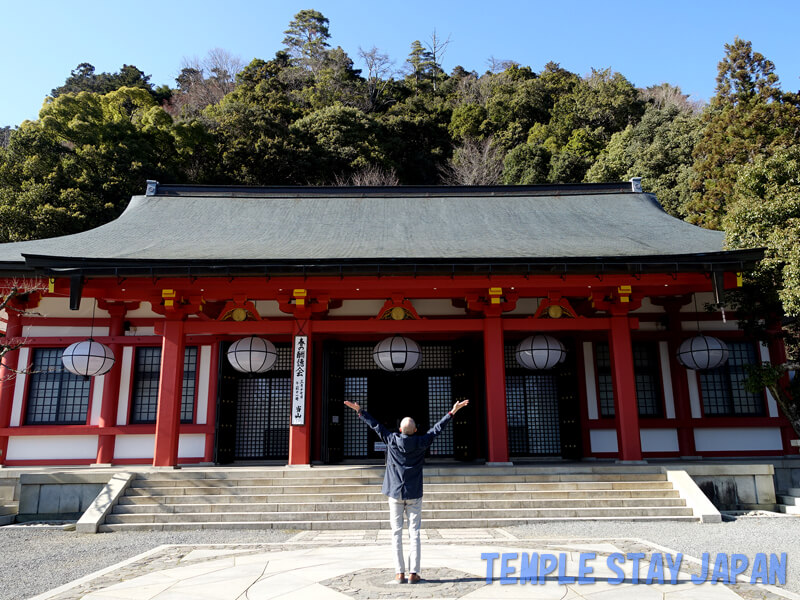
This temple is located on Mount Kurama, which has been revered as a sacred mountain since ancient times, and is the head temple of the Kurama Kokyo sect. There is a legend that Minamoto no Yoshitsune, a 12th-century warlord, learned military strategy from a tengu (a mountain spirit with a long nose) when he was a child. -
Shodenji temple (Kyoto) : The blood-stained ceiling of the main hall
This temple was built in 1273 in the central part of Kyoto (near Karasuma Imadegawa) and moved to its current location in 1282. The main hall has a famous blood-stained ceiling. These are floorboards from the fallen Fushimi Castle, moved here for memorial purposes. -
Jinkoin temple (Kyoto)
This is the place where Kobo Daishi (774-835), the founder of the Shingon sect of Buddhism, trained when he was 42 years old. Later, in 1217, the temple was founded. The principal image, a statue of Kobo Daishi, is said to be a carving of Kobo Daishi's own image. This statue is known for its power to ward off evil. -
Jissoin temple (Kyoto)
This is a prestigious temple where the head priest has historically been a descendant of the Imperial family. There are two gardens on the temple grounds. In the seasons of fresh green leaves and autumn foliage, the way the colors of the leaves are reflected on the floorboards is exceptionally beautiful. -
Miyake-hachimangu shrine (Kyoto)
This shrine is known for its blessings in curing children's illnesses and stopping night crying. This deity uses doves as messengers. Even today, many goods related to doves are sold. There is a museum that displays a large number of votive tablets discovered on the grounds of a shrine. -
Sudo shrine (Kyoto)
This is a shrine dedicated to Prince Sawara. After his tragic death, an epidemic broke out in Kyoto, and it was said to be his curse. Therefore, this shrine was established to appease his spirit. In Japan, it is believed that by respectfully enshrining fearsome vengeful spirits, one can receive their great power.