Central Tokyo? category ?
-

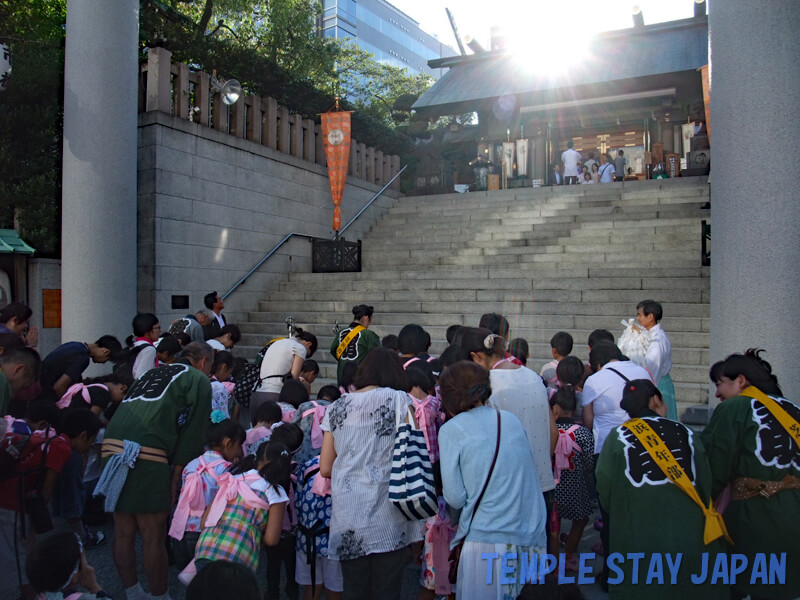
Fukagawa Shinmeigu shrine (Tokyo) : The Annual Grand Festival in August
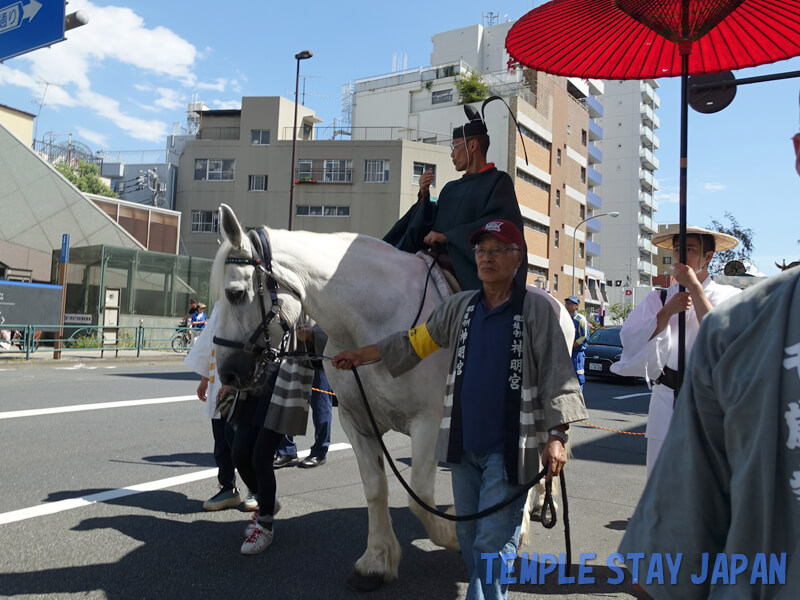
This is the shrine that gave the Fukagawa area its name. The annual grand festival is held on the Sunday closest to August 17th. While walking around the shrine, I was able to see the procession of the portable shrine. A Shinto priest on horseback also passed by. The children were pulling a festival float. -
Tsukuda-Sumiyoshi shrine (Tokyo) : Blessings for maritime safety
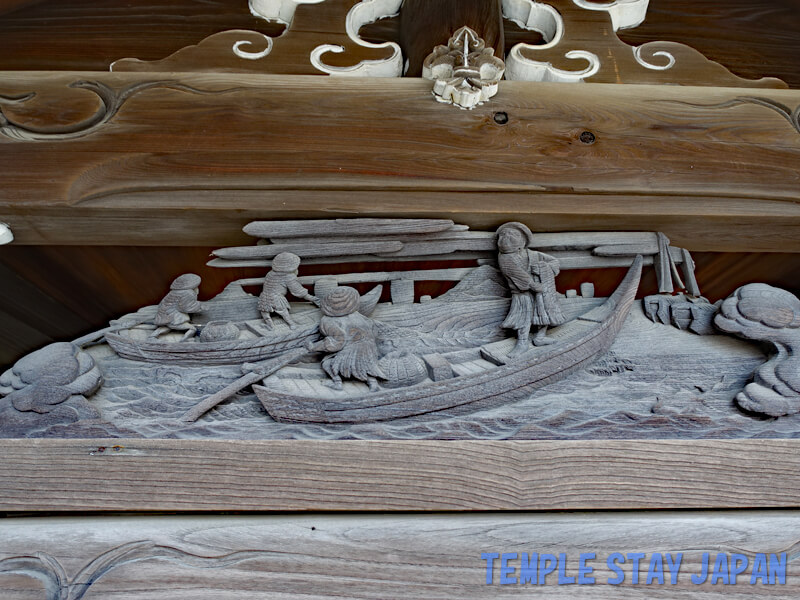
This shrine is dedicated to three deities who emerged from the sea. This area was originally created by reclaiming tidal flats at the mouth of the Sumida River and flourished as a fishing town. For this reason, it was worshipped for the blessing of maritime safety. -
Tsukuda-Sumiyoshi shrine (Tokyo) : Cherry Blossom Festival
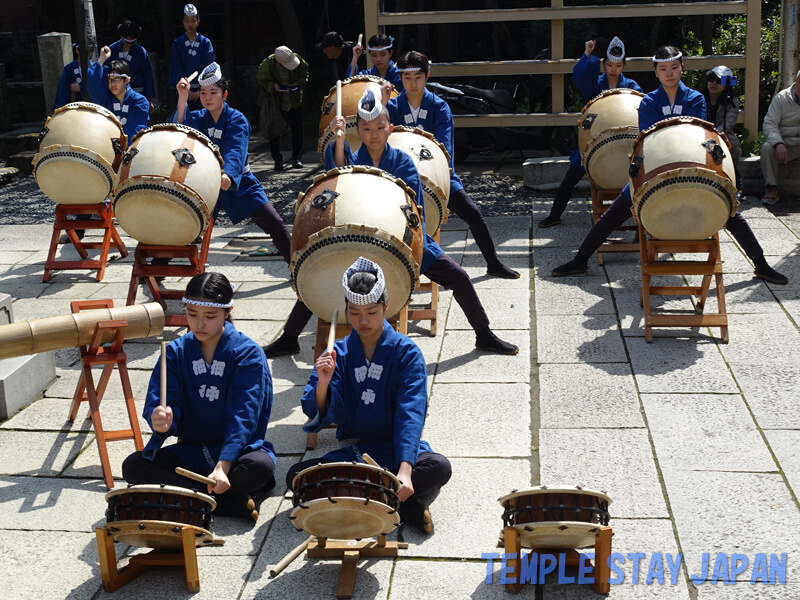
This shrine is located on Tsukudajima, across the Sumida River from the Ginza and Tsukiji areas. It is usually quiet, but the Cherry Blossom Festival held in early April was lively. A Japanese taiko drum performance took place. The sound rang out, and I felt really happy. -
Tsukishima Kannon temple (Tokyo) : A small temple inside a building
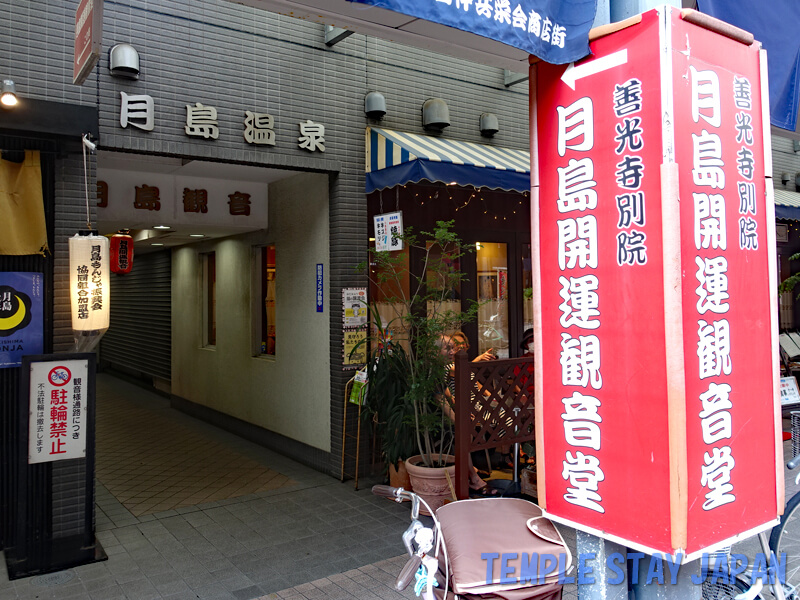
It is a small temple located inside a building and is a branch temple of Zenkoji in Nagano. The principal image is the Amida Triad. The style in which three figures share a single halo is the same as that of Zenkoji. It is said that visiting this place brings good fortune and helps you find lost items. -
Shiba Daijingu shrine (Tokyo) : Daradara matsuri festival
Shiba Daijingu is a shrine that was founded in 1005. The Daradara matsuri Festival is held annually from September 11 to 21. When I arrived at the shrine, it was bustling with the sounds of flutes and drums. In the past, a great deal of ginger was grown in this area, so it was offered at the shrine during festivals. -
Senshoji temple (Tokyo) : Grave of Okita Soji
The grave of Okita Soji is located within the temple grounds. He is a member of the Shinsengumi, a group formed in Kyoto during the 19th century to protect the Tokugawa shogunate. He is known as a brilliant swordsman and is a highly popular historical figure who appears in numerous movies, novels, and manga. -
Hodoji temple (Tokyo) : The greatest sumo wrestler rests here
This temple was founded in 1614 and relocated to its current site in 1780. The grave of Raiden Tameemon (1767-1825), a sumo wrestler who was active during the Edo period, is located here. He lost only ten bouts during his twenty-one-year career in the sumo ring and is considered the greatest sumo wrestler in history. -
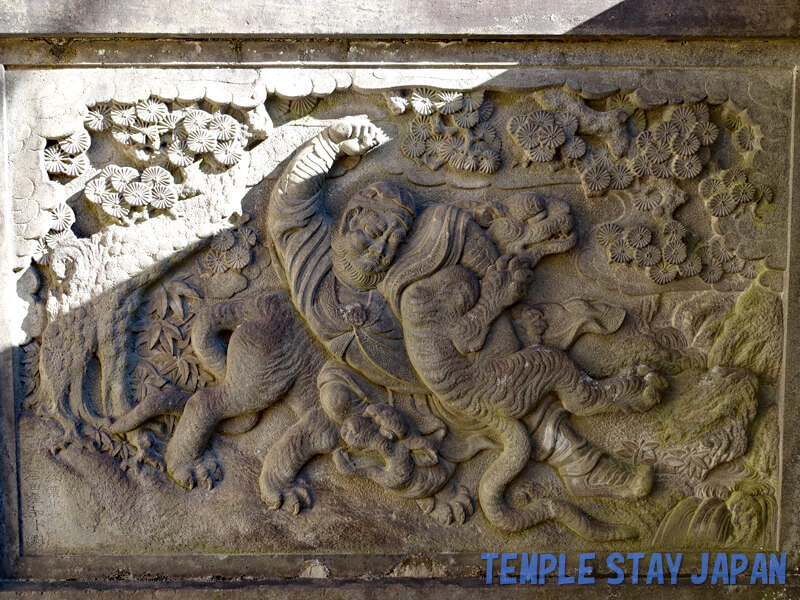
Takanawa shrine (Tokyo) : Slaying the Tiger and the Giant Serpent
This shrine was founded around 1492ー1501. The stone gate features carvings depicting the slaying of a tiger and a giant serpent. This is based on a Chinese historical anecdote about Zhou Chu, who slew a creature that was terrorizing his village, only to discover that he himself was also feared. -
Yoshinji temple (Tokyo) : The Makino Family Grave
This temple was founded around 1648ー1652. Although the temple was abandoned following a fire in 1682, Makino Narisada donated a portion of his estate, allowing it to be re-established at its current location. The Makino family grave within the temple grounds is one of the few daimyo (feudal lord) tombs found in Tokyo. -
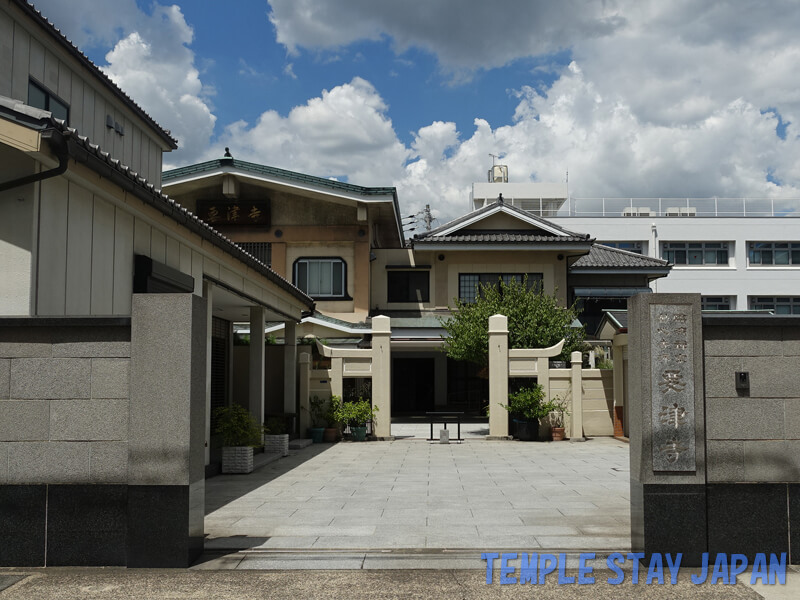
Seishokoji temple (Tokyo)
This temple is dedicated to the Sengoku-period warlord Kato Kiyomasa. Because he fostered the development of Kumamoto and built numerous temples of the Nichiren sect, he became the object of a unique form of worship after his death. He has also become a guardian deity of civil engineering works.