Tokyo? category ?
-

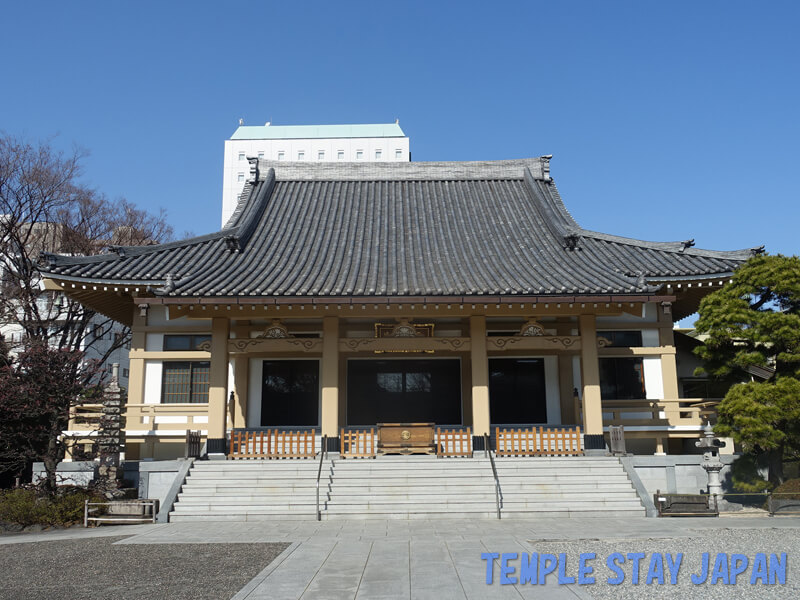
Baisoin temple (Tokyo)
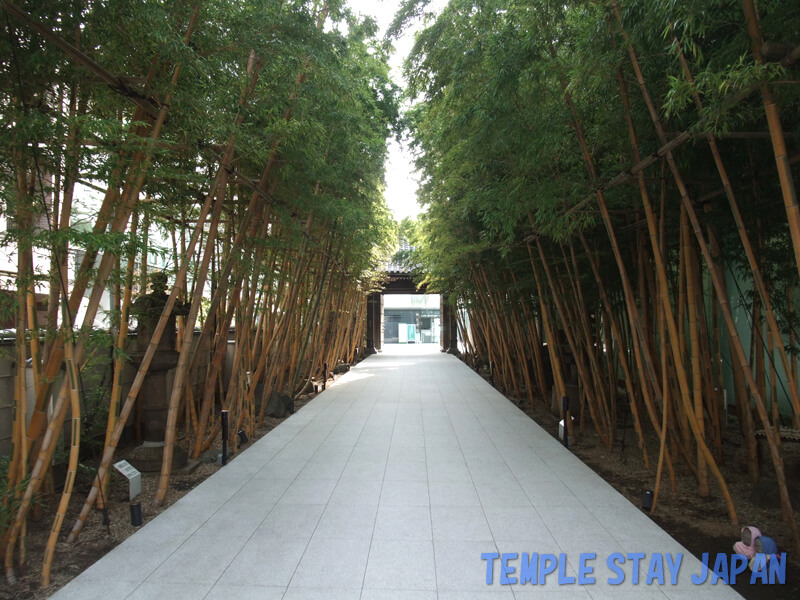
This temple was founded in 1643. The main hall was rebuilt in 2003 based on a design by the renowned architect Kengo Kuma. A variety of cultural activities are held - such as music concerts, cultural lectures, and Buddhist seminars - that are open to everyone. -
Zenpukuji temple (Tokyo) : First American Legation
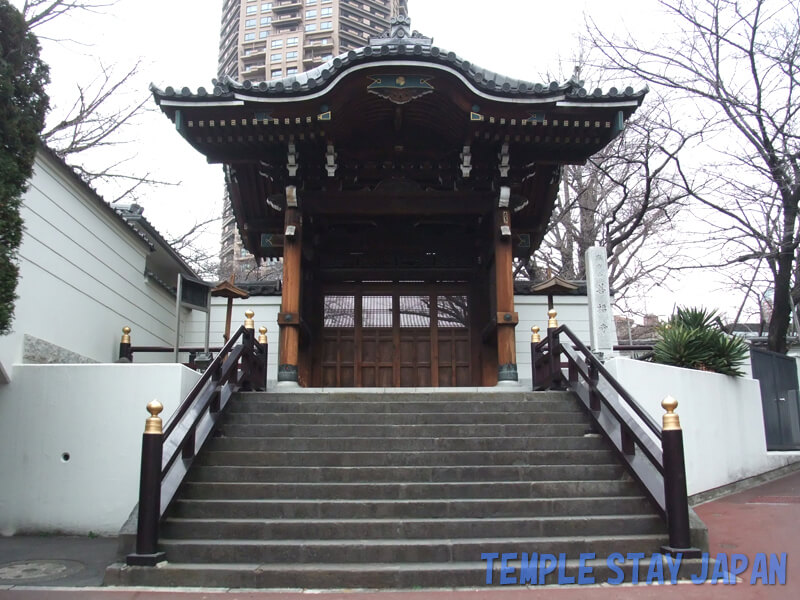
This temple was founded by Kobo Daishi Kukai in 824. Originally affiliated with the Shingon sect, the temple converted to Jodo Shinshu after a visit by Shinran Shonin, the founder of that sect during the Kamakura period. In the modern era, it also served as the first American legation. -
Ebisu shrine (Tokyo)
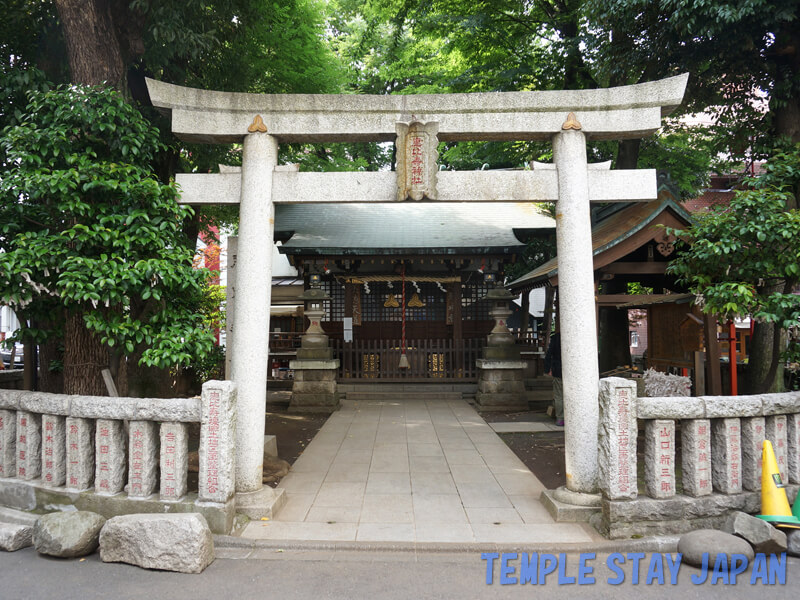
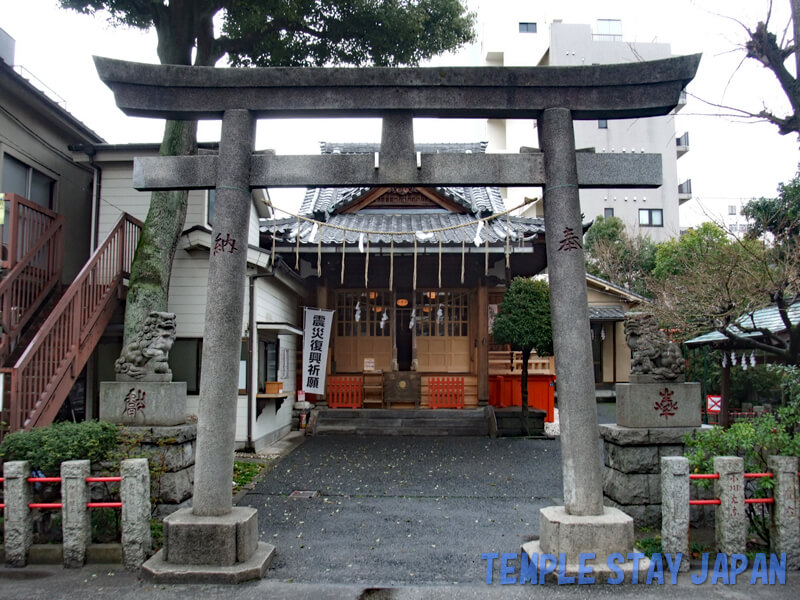
It is a small shrine located very close to Ebisu Station. It has long been worshipped as a deity that protects this region. It was originally located in front of Ebisu Station, but relocated to its current site in 1959. It is usually quiet, but it comes alive with a festival held every year on October 19th and 20th. -
Mirokuji temple (Tokyo) : Grave of the acupuncturist who treated the shogun
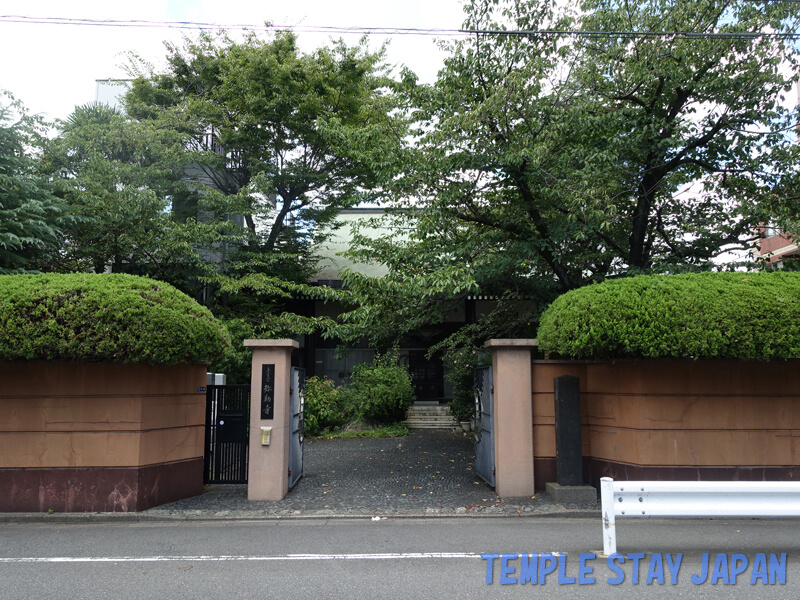
Mirokuji is a small temple located in the city. It was founded in 1610 and relocated to its current site in 1689. The grave of the acupuncturist Sugiyama Waichi (1610-1694) is located within the temple grounds. He is known for treating the illness of the fifth shogun, Tokugawa Tsunayoshi. -
Ejima-sugiyama shrine (Tokyo) : Enoshima Benzaiten in Edo
This shrine originated from a shrine built by Sugiyama Waichi (1610-1694), an acupuncturist who treated the illness of the fifth shogun, Tokugawa Tsunayoshi. Although it is currently a small shrine, the grounds house the Sugiyama Waichi Memorial Hall, where exhibits of historical materials are on display. -
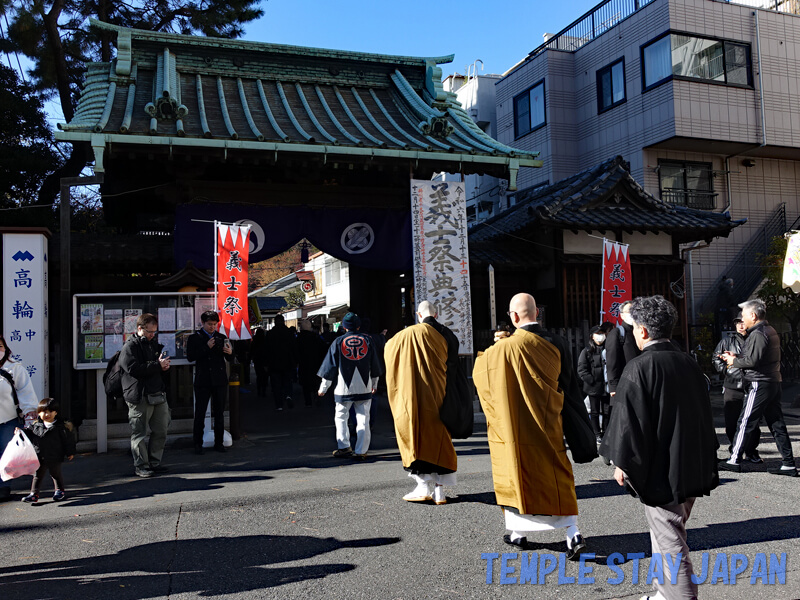
Sengakuji temple (Tokyo) : April Gishi Festival
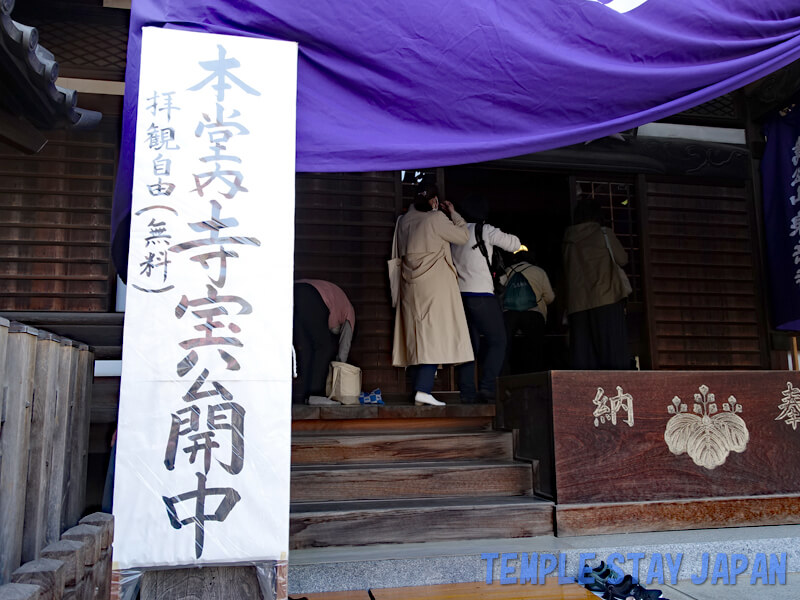
It is a temple famous for the story of Chushingura. During the April festival, temple treasures are displayed in the main hall. Anyone can visit free of charge. Incense sticks were handed to those visiting the graves of the loyal retainers. I offered incense at each grave and paid my respects. -
Sengakuji temple (Tokyo) : The setting of the famous Chushingura story
This temple was founded in 1612 by Tokugawa Ieyasu, the first Tokugawa shogun. Sengaku-ji Temple is famous for the story of Chushingura. This is a story of revenge based on historical fact. The act of avenging their master without regard for their own lives has been praised across the ages. -
Sengakuji temple (Tokyo) : The Gishi-sai Festival on December 14
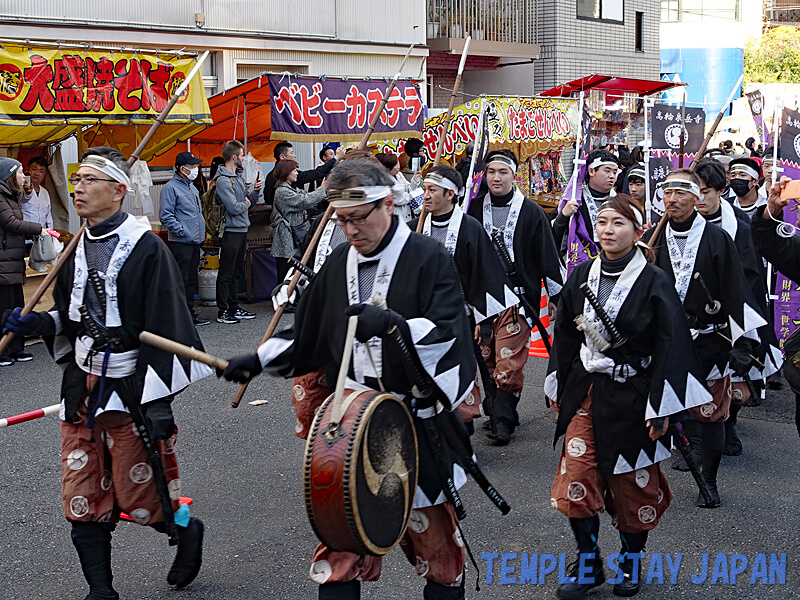
I went to the Gishi-sai (Loyal Retainers' Festival) held every year on December 14th at Sengakuji Temple. The Gishi parade arrived at the temple shortly after 3:00 p.m. This depicts the scene where the retainers who slew Kira Kozuke-no-Suke carried his head to Sengakuji Temple. -
Reiganji temple (Tokyo) : The Ksitigarbha that guarded the gateway to Edo
Reiganji Temple was founded in 1624. Within the temple grounds, there is a statue of Jizo Bosatsu (Ksitigarbha) - originally erected at the gateway to Edo - and the grave of Matsudaira Sadanobu, who restored the finances of the Tokugawa shogunate. -
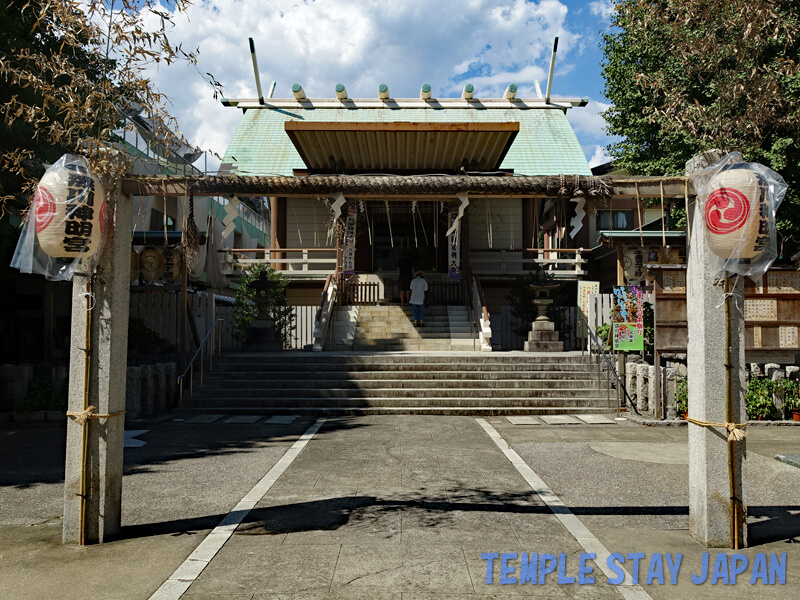
Fukagawa Shinmeigu shrine (Tokyo) : Origin of the Place Name “Fukagawa”
This shrine was founded by Fukagawa Hachirouemon, who settled in this area approximately 400 years ago. At first, a small shrine was built on the estate to enshrine a divided spirit from Ise Grand Shrine. As this area developed, it came to be worshipped by many people.