Kansai? category ?
-

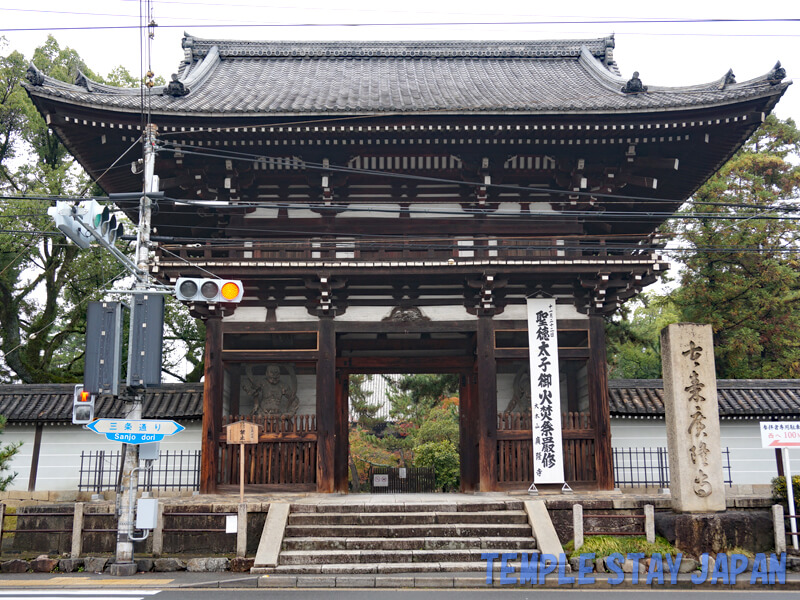
Jojuji temple (Kyoto) : Chinese style architecture
Buildings such as the Main Hall and the Founder's Hall, which reflect the style of Chinese Buddhist architecture, stand here. The interior of the main hall is normally closed to the public, but it can be viewed during special opening periods. The autumn foliage is also spectacular. -
Jizoin temple (Kyoto) : Bamboo Temple
This temple was founded in 1367 by the Sengoku-period warlord Hosokawa Yoriyuki. This is also the temple where Zen Master Ikkyu - famous from Japanese folktales - spent his childhood. It is called "Bamboo Temple" because a great deal of bamboo grows there. -
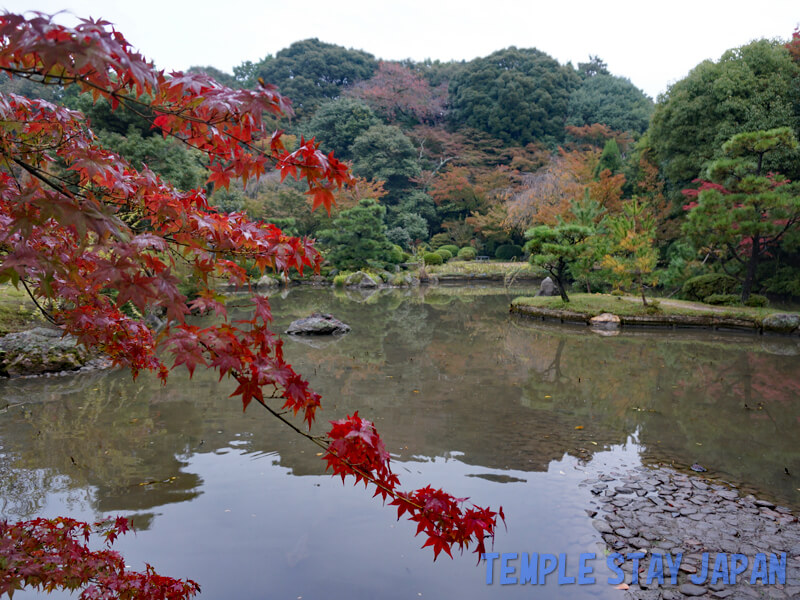
Saihoji temple (Kyoto) : A moss-covered garden
This temple was founded by Gyoki in the 8th century. It is famous for its strolling pond garden, which is covered in approximately 120 varieties of moss. A reservation made by the previous day is required for the visit. On the day of the event, you can view the garden after copying a sutra in the main hall. -
Koryuji temple (Kyoto) : Miroku Bosatsu in Contemplation
It is the oldest temple in Kyoto, founded in 603. The principal image is a statue of Miroku Bosatsu (Maitreya Bodhisattva) , which was the first to be designated a National Treasure. The pose, with the right hand resting against the cheek as if in thought, is beautiful. -
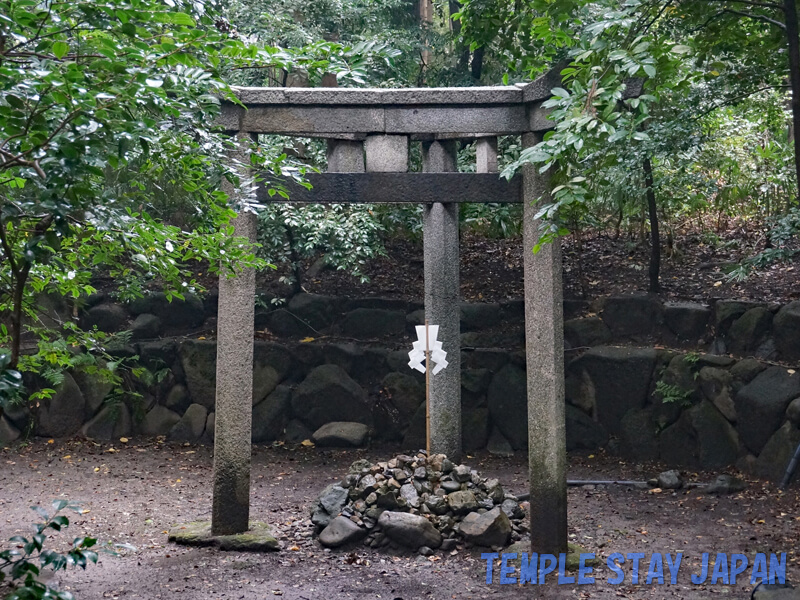
Konoshima shrine (Kyoto) : Japan’s only three-pillared torii gate
Although the exact date of its founding is unknown, records of the shrine exist from 701, indicating a long history. At the back of this shrine stands a Mihashira-torii , constructed so that three pillars form an enclosure. This enjoys a quiet popularity as a unique format - the only one of its kind in Japan. -
Hokongoin temple (Kyoto) : Famous for its lotus flowers
Although normally closed to the public, it is specially opened on the 15th of every month, as well as for limited periods during the cherry blossom, lotus, and autumn foliage seasons. You can view various Buddhist statues and a Japanese garden designed to represent the Pure Land. -
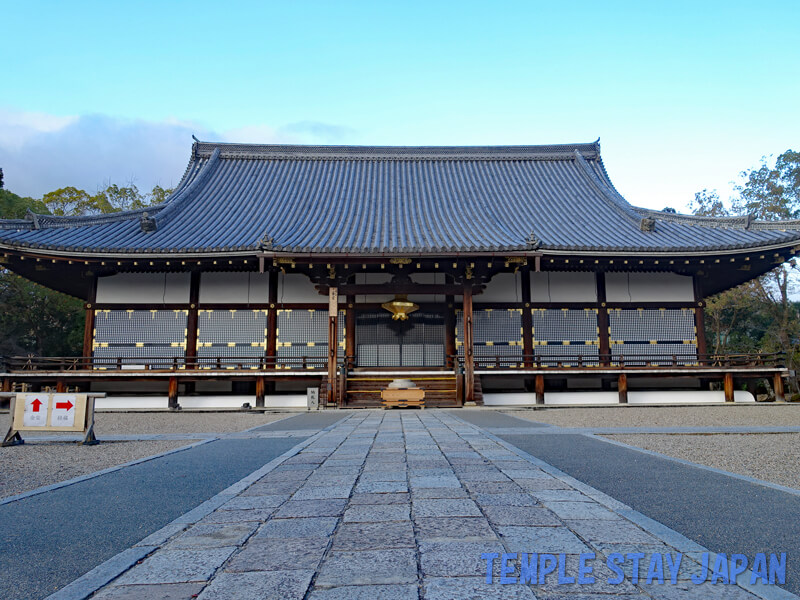
Ninnaji temple (Kyoto) : History , Highlights , Access
Ninnaji Temple was founded in 888 and serves as the head temple of the Omuro school of the Shingon sect. The massive Nio-mon Gate is said to be one of the three great gates of Kyoto. If you pass through this gate and walk straight across the spacious temple grounds, you will find the Main Hall, a National Treasure. -
Rengeji temple (Kyoto) : The Five Wisdom Buddhas are seated in a row
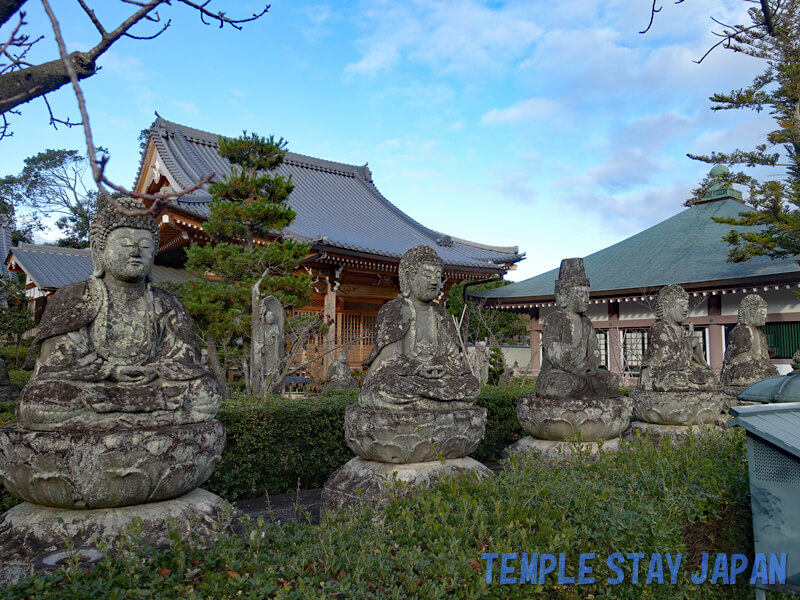
It is a temple located right near Ninnaji Temple. Five stone Buddha statues, with Dainichi Nyorai (Mahavairocana) at the center, are lined up within the temple grounds. These are known as the Five Wisdom Buddhas, and they bestow the blessings of wisdom and abundant harvests. -
Kodaiji temple (Kyoto) : History , Highlights , Access
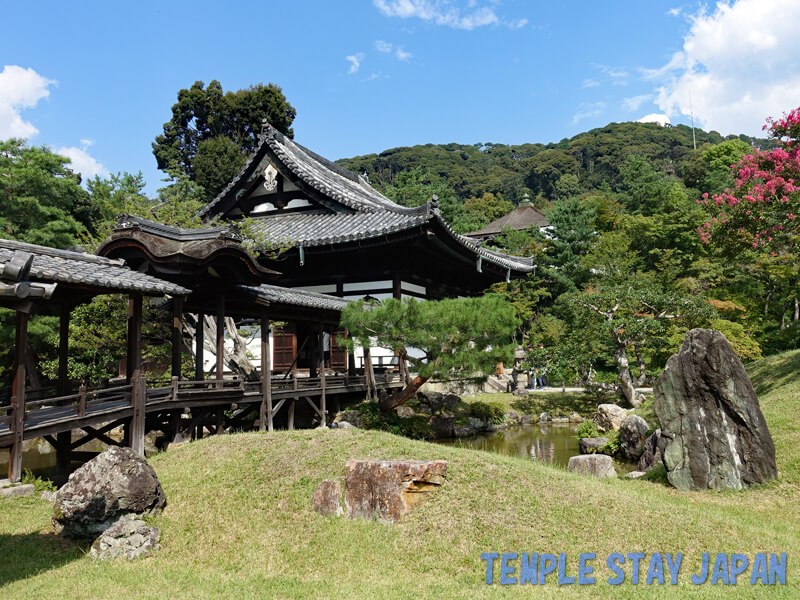
Kodaiji Temple was founded in 1606 by Nene, the wife of Toyotomi Hideyoshi, to commemorate him, who rose from a peasant background to unify Japan. Many of the halls are designated as important cultural properties, and the Japanese garden, said to have been created by Kobori Enshu, is also magnificent. -
Kitano-Tenmangu shrine (Kyoto) : The head shrine of Tenmangu
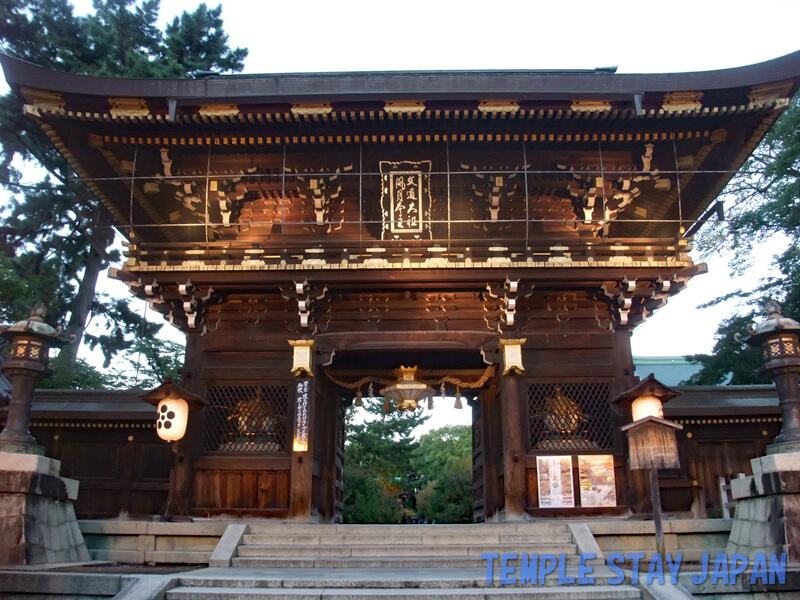
Kitano-Tenmangu Shrine was founded in 947. The shrine enshrines Sugawara no Michizane, who is known for granting academic benefits. It is the head shrine of the approximately 12,000 Tenmangu shrines and Tenjin shrines throughout Japan. There is a festival on the 25th of every month.