Kansai? category ?
-

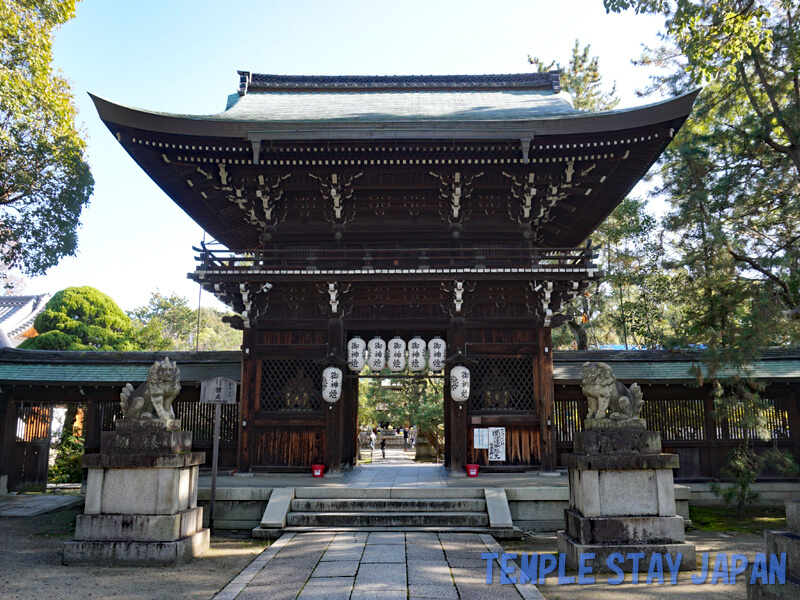
Kamigoryo Shrine (Kyoto) : Two historical events
This shrine is associated with two important historical events in Kyoto. One factor was the death of Emperor Sudo, which triggered the relocation of the capital to Kyoto. Another major event was the outbreak of the Onin War (1467-1477) in this area. It is a very quiet shrine these days. -
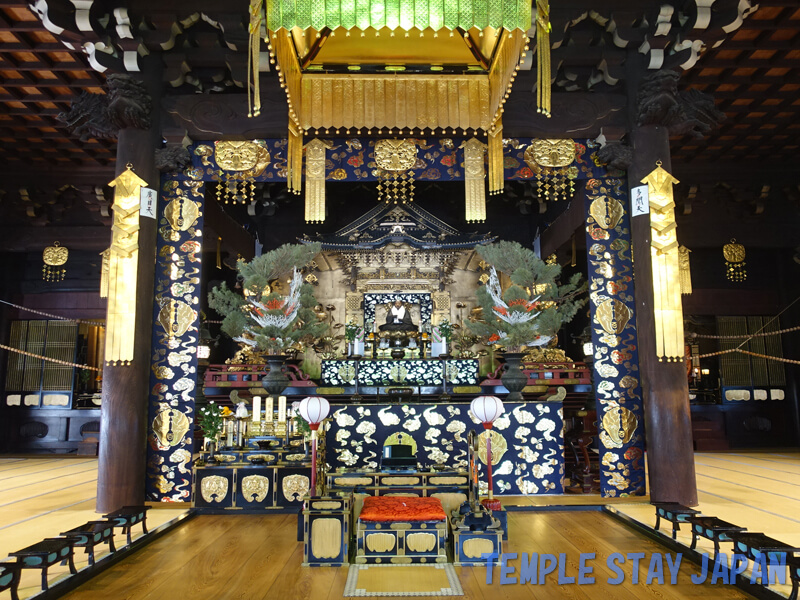
Hyakumanben-Chionji Temple (Kyoto) : Photos and Reviews
This temple is one of the head temples of the Jodo sect. As I passed through the gate, the first thing that surprised me was the vastness of the temple grounds. I was able to freely enter the main hall. A statue of Honen Shonin, the founder of the Jodo sect, was enshrined at the front. -
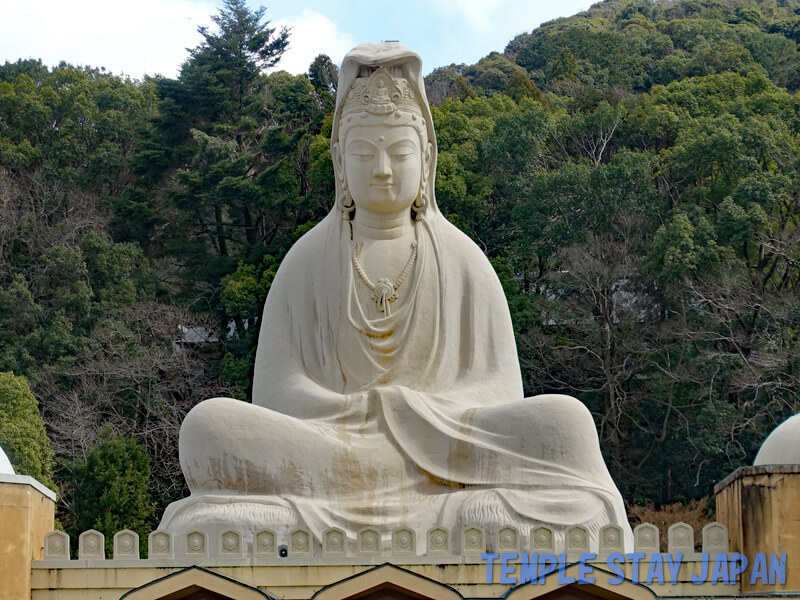
Ryozen-Kannon temple (Kyoto) : Giant statue of Kannon
This temple features a giant statue of Kannon (Avalokitesvara) standing 24 meters (78.74 feet) tall. This temple was built in 1955 to commemorate those who lost their lives in the war. For this reason, I offered incense as an act of devotion. Many Buddha statues were enshrined inside the Kannon statue. -
Gantokuji temple (Kyoto)
This temple was originally founded in Muko City in 679 but was destroyed by fire during wartime; it was subsequently relocated to its current site in 1973. Although it is a small temple, it is known for housing a National Treasure - a statue of Nyoirin Kannon - as its principal image. -
Shojiji temple (Kyoto) : Priest Saigyo’s Cherry Tree
The principal image is a statue of Yakushi Nyorai (the Medicine Buddha) said to have been created by Saicho, one of Japan's most famous monks. It is famous for the cherry trees planted by the monk Saigyo, who traveled across Japan in the 12th century and composed as many as 2,300 traditional Japanese poems. -
Ooharano shrine (Kyoto) : Worshipped by Murasaki Shikibu
This shrine originated in 784, when the deity of Kasuga Taisha in Nara was enshrined here. It is known for having been a place of worship for Murasaki Shikibu, the author of "The Tale of Genji" - a work that had a profound influence on Japanese literature. -
Shoboji temple (Kyoto) : A rare Thousand-Armed Kannon with three faces
This temple was founded in 754. The main hall enshrines a rare Thousand-Armed Kannon Bodhisattva with three faces. The garden features stones arranged to resemble 16 types of animals, such as rabbits, turtles, and owls. For this reason, it is known as the "Rock Garden of Birds and Beasts." -
Konzoji temple (Kyoto) : A hidden gem in western Kyoto
This temple was founded in 718. Although it was devastated during the Onin War (1467-1477), the hall was rebuilt by Keishoin, the mother of the fifth Tokugawa shogun, Tsunayoshi. The area around the stone steps beyond the Nio-mon Gate turns vibrant with autumn colors. -
Sankoji temple (Kyoto) : Beautiful view from the main hall
This temple was founded in 1074 when the priest Gensan built a hermitage, and it was named Sankoji in 1213. The Sanko (a three-pronged vajra) is a ritual implement used in Esoteric Buddhism. From in front of the main hall, there is a magnificent view overlooking the city of Kyoto and mountains such as Mount Hiei. -
Yoshimine-dera temple (Kyoto) : Famous spots for hydrangeas
This temple was founded in 1029. The spacious temple grounds are home to numerous valuable structures, including a Tahoto pagoda designated as an Important Cultural Property. From mid-June to early July, approximately 8,000 hydrangea plants bloom in vibrant colors.