Kansai? category ?
-

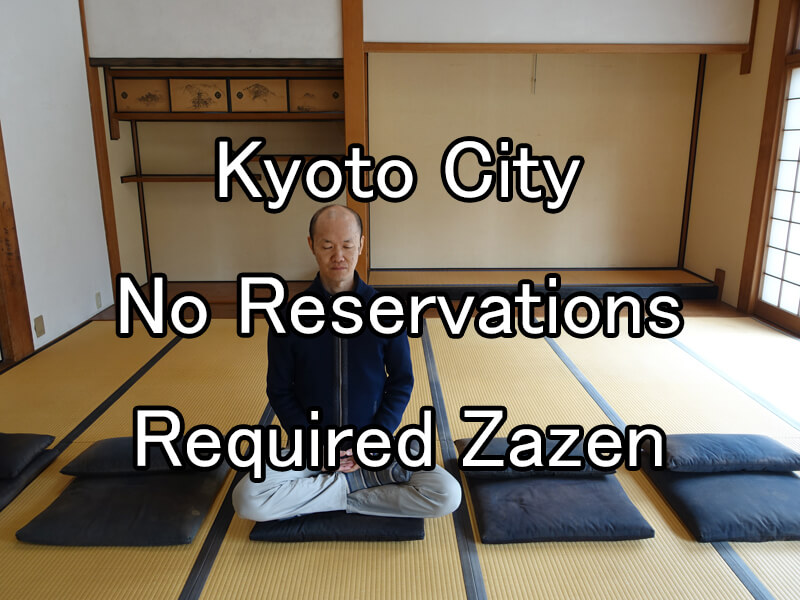
Kyoto temples offering zazen – No Reservations Required
There are many temples in Kyoto, and some of them hold zazen (Zen meditation) sessions that you can join without making a reseravation. Zazen is an experience that allows you to sit quietly, calm your mind, and experience Japanese spirituality.If you have a chance to visit Kyoto, be sure to give it a try. -
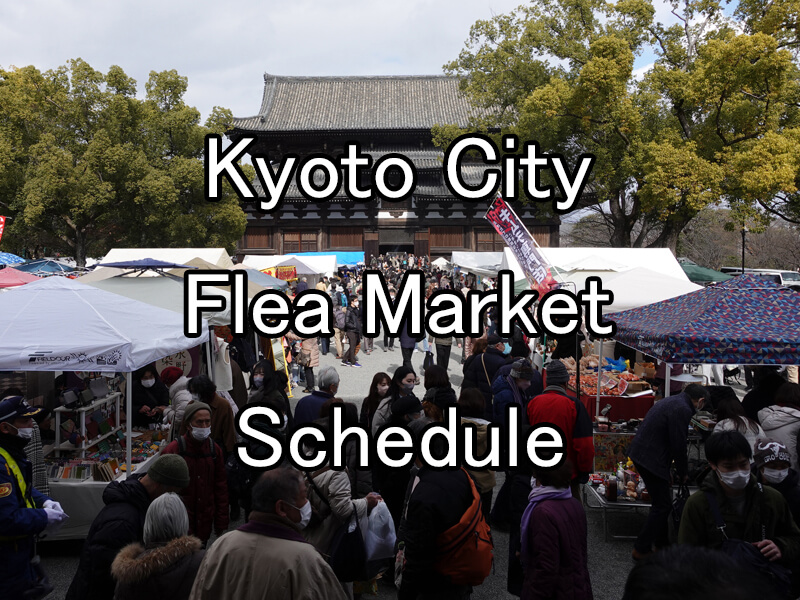
Kyoto City Flea Market Schedule
Flea markets are held at many temples and shrines in Kyoto. You can find unique Kyoto-style cuisine, unusual foods, souvenirs, and unexpected hidden gems; simply strolling around is enjoyable in itself. Here, I introduce flea markets that take place on specific days. -
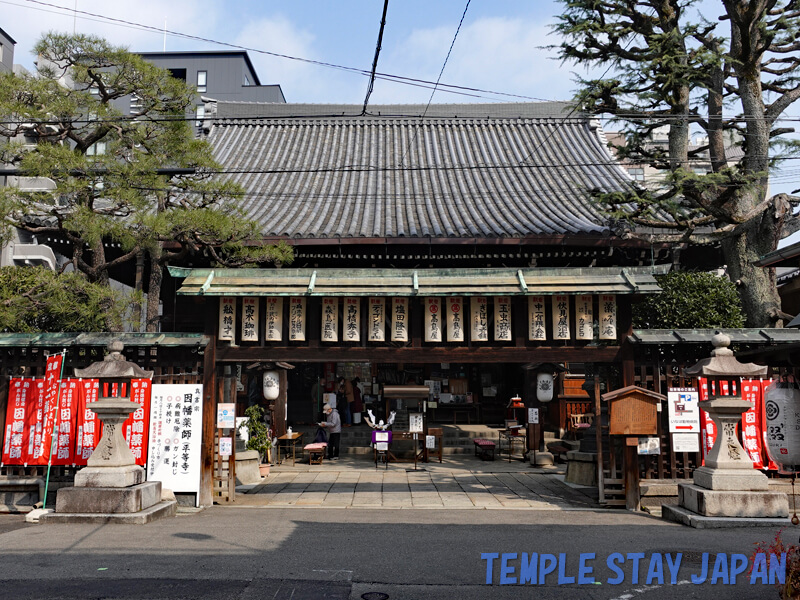
Inabado Byodoji temple (Kyoto) : Handmade market on the 8th of every month
About 1000 years ago, there was a nobleman named Tachibana no Yukihira. He was told in a dream to offer prayers to Bhaisajyaguru (the Medicine Buddha), and he founded Inaba-do Byodoji Temple. Here, a handmade crafts market is held on the temple grounds on the 8th of every month. -
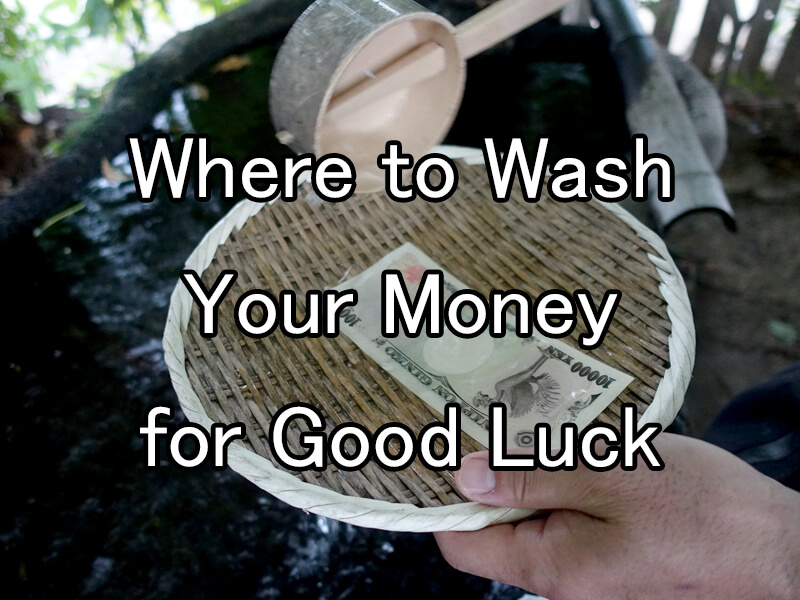
Where to Wash Your Money for Good Luck in Kyoto’s temples and shrines
In Japan, it is said that water purifies impurity. For this reason, washing money with water is said to drive away negativity and bring the blessing of increased financial luck. This is called "Zeniarai". Here, we introduce temples and shrines in Kyoto where you can experience this "Zeniarai" ritual. -
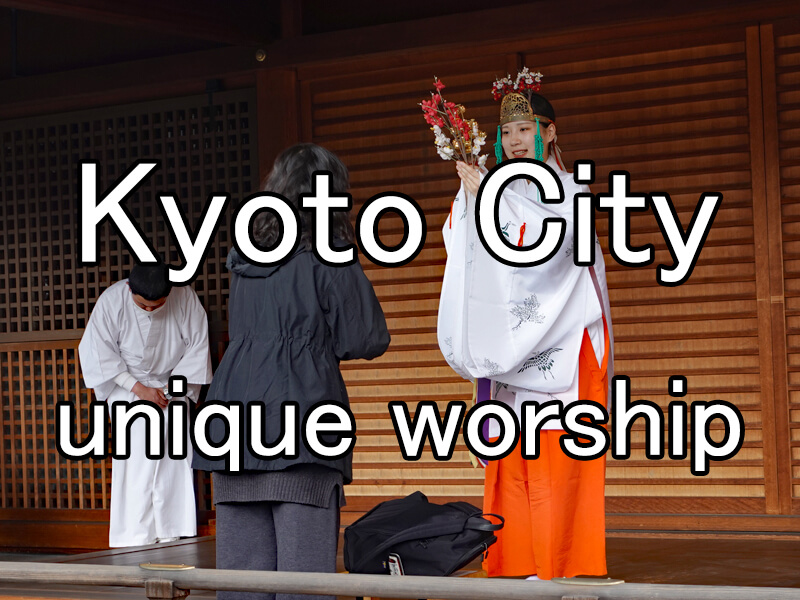
Kyoto’s temples and shrines with unique worship experiences
Kyoto has many temples and shrines with unusual ways of worshiping. Throwing things, dipping them in water, lifting them up, and putting them through holes.By performing special actions, your wishes will be more likely to come true. Here are some recommended places. -
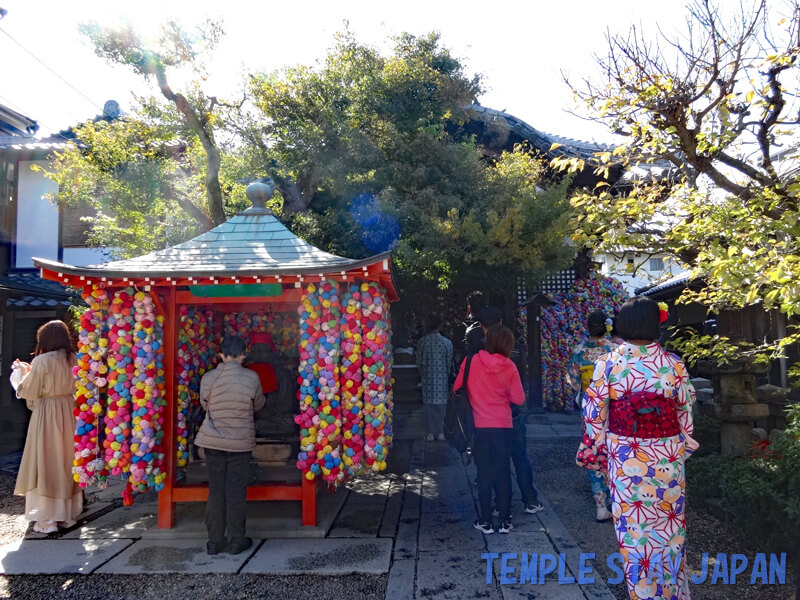
Yasaka-Koshindo temple (Kyoto) Colourful monkey dolls
Yasaka Koshindo was built over 1000 years ago.Because monkeys move around a lot, they are also said to be symbols of desire. For this reason, there was a custom of tying the hands and feet of monkey dolls. Nowadays, people write their wishes on colorful monkey dolls and tie them on them. -
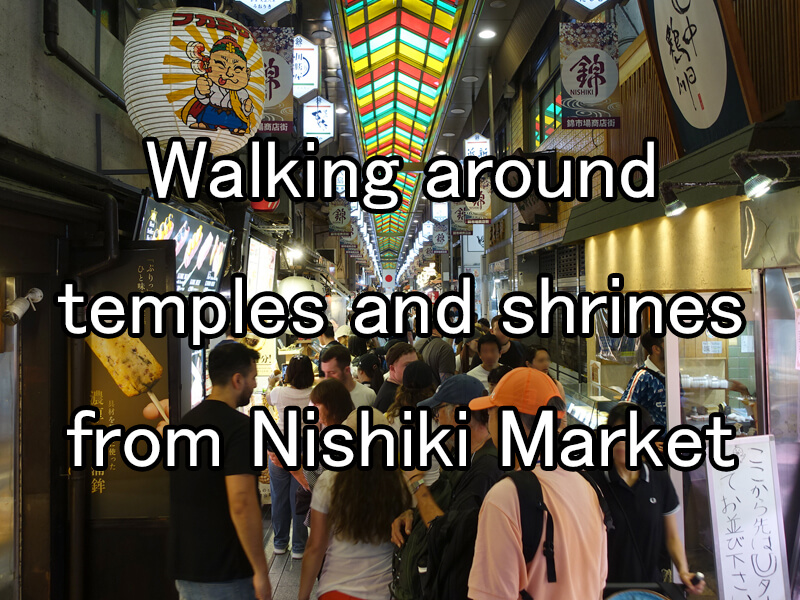
Walking around temples and shrines from Nishiki Market
Nishiki Market is a famous tourist destination in Kyoto, lined with numerous restaurants and souvenir shops. In the surrounding area, there is a concentration of temples and shrines well worth visiting, such as Nishiki Tenmangu, Seiganji, Rokkaku-do, Bukkoji, and Inaba-do. -
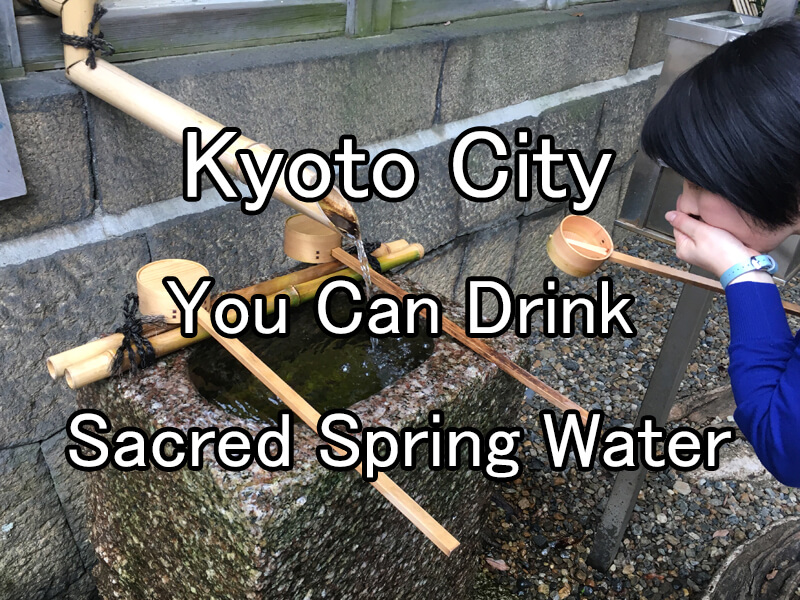
7 Kyoto Temples & Shrines Where You Can Drink Sacred Spring Water
If you're looking for a unique spiritual experience in Kyoto, visiting temples and shrines with sacred spring water is a wonderful choice. At some locations, you can even fill your own bottle and take the blessed water home. In this guide, we'll introduce temples and shrines where you can drink sacred spring wate. -
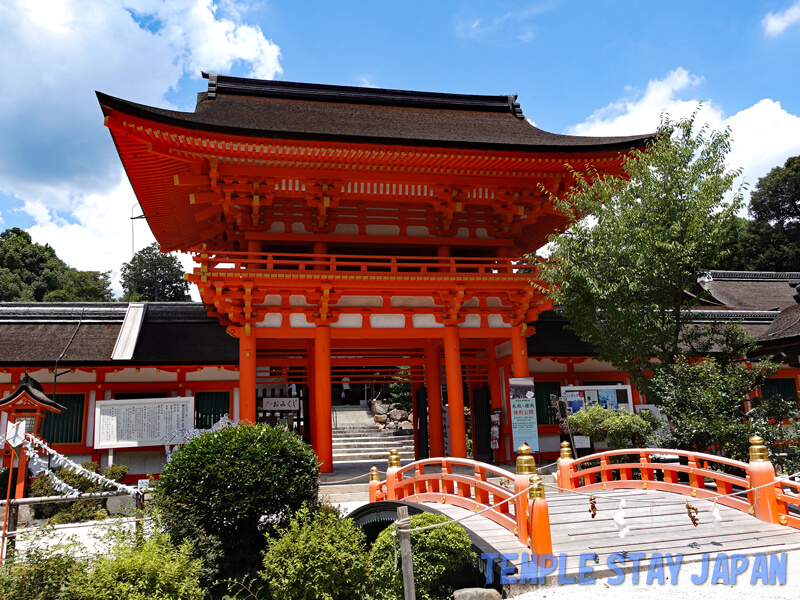
Kamigamo shrine (Kyoto) : History , Highlights , Access
Kamigamo-jinja Shrine is a shrine that boasts a history said to be the oldest in Kyoto. Special prayers and viewings are accepted here at any time. After receiving prayers from the Shinto priest, you can view gardens and treasures that are normally off-limits to the public. -
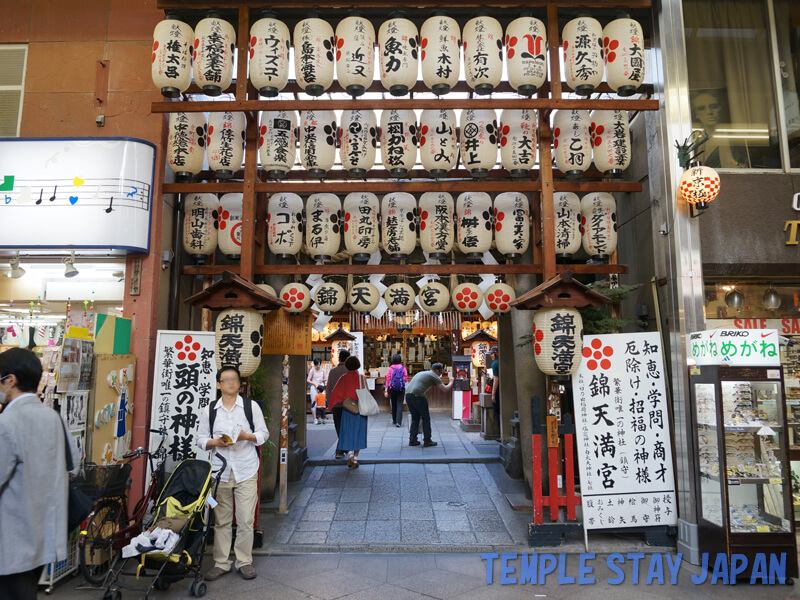
Nishiki-tenmangu shrine (Kyoto) : Near Nishiki Market
Nishiki Tenmangu Shrine is located in the shopping district. This shrine is known for its benefits in granting success in exams, and visitors pray while stroking the cattle. Within the temple grounds, Nishiki no Mizu, known as Kyoto's finest spring water, springs forth.