Kansai? category ?
-

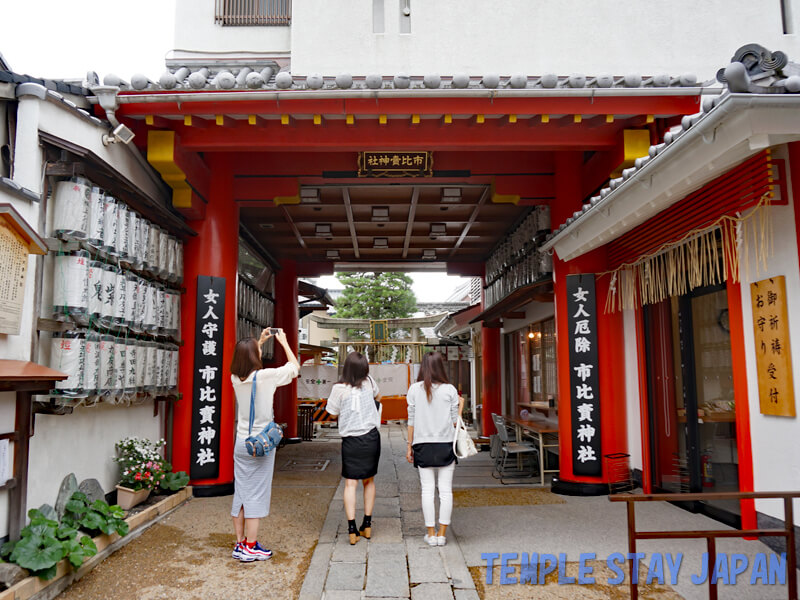
Ichihime shrine (Kyoto) : Guardian of Women
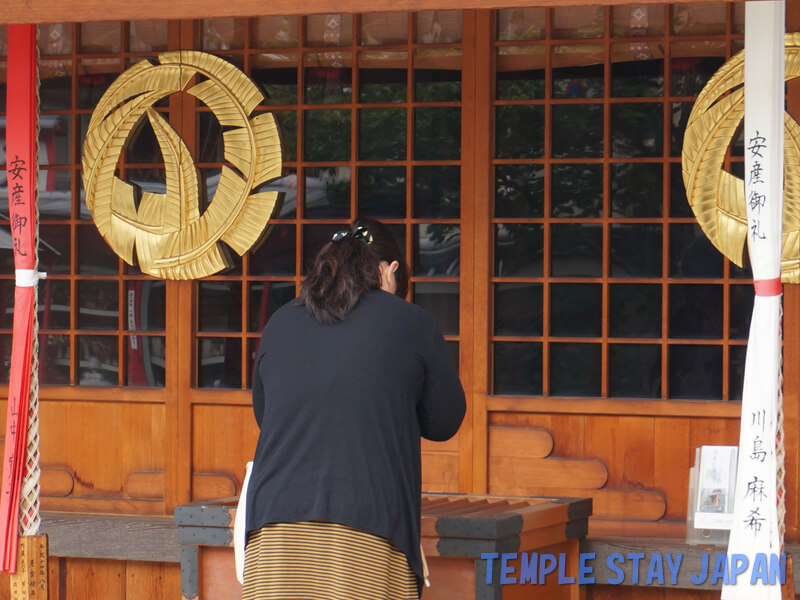
Ichihime-Jinjya Shrine was founded in 795. This shrine is believed to be the guardian deity of women, and many people come to pray there. There were some charms that seemed to be inspired by princesses from the past. This one had a fortune slip inside. After reading it, I wrote down my wish and offered it to the shrine. -
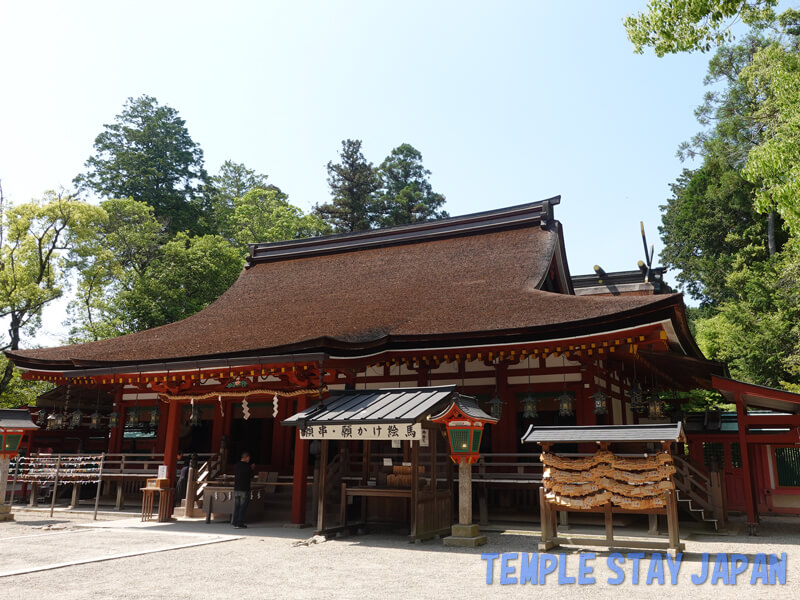
Isonokamijingu shrine (Nara)
The sacred grounds, surrounded by evergreen trees, are cool, and you can hear the lively crowing of roosters, which are considered messengers of the gods.The chickens are very popular.The hanging lanterns, green window frames, and corridors colored in red and white are eye-catching.Passing through the historic gate tower, you'll find the main hall, a national treasure, to be truly magnificent. -
Sotokuji-awashimado temple (Kyoto) : Protection for Women and Memorial Services for Dolls
This temple was founded around 1449-1452. Awashima Myojin, a deity who protects women, was enshrined within the precincts of Sotokuji Temple, and devotion to the deity spread. The doll memorial service is also famous. There are many donated dolls lined up in the precincts. These were spectacular sights. -
Walking around temples and shrines from Kyoto Station
There are many fascinating temples and shrines around Kyoto Station. Among them, the most recommended are Higashi Honganji, Nishi Honganji, and Toji. Here we will introduce a travel course that will take you around these three temples while also stopping off at nearby shrines and temples. -
Seiganji temple (Kyoto) : The Great Buddha near Nishiki Market
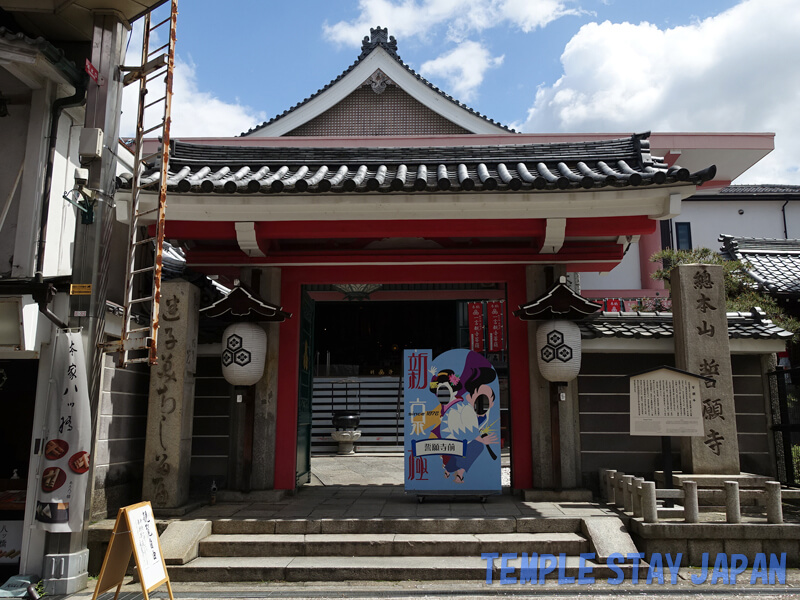
Seiganji Temple is located within the Shinkyogoku Shopping Arcade. As soon as I passed through the gate, the main hall was right in front of me, and I was free to enter it. The principal image of the temple is the Amitabha, a gigantic Buddha statue measuring approximately 6.5 meters (21.3 ft). -
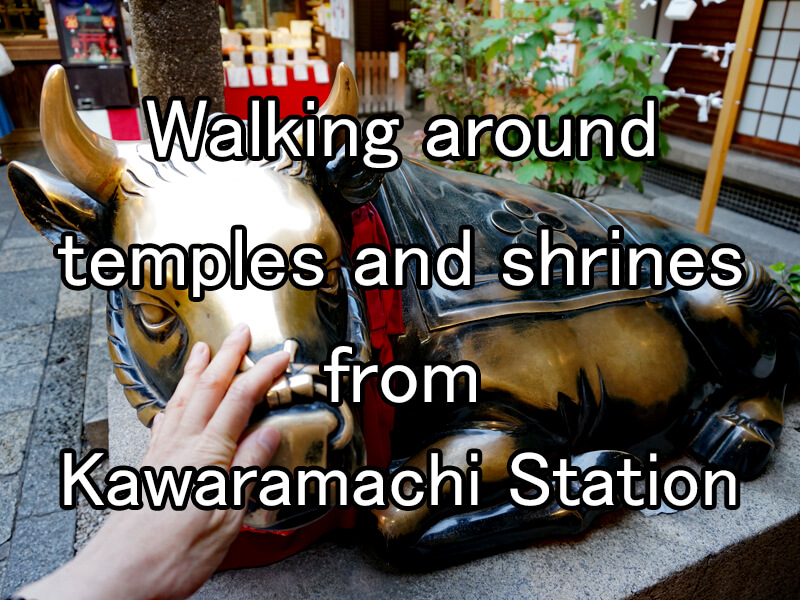
Walking around temples and shrines from Kyoto-Kawaramachi Station
The area around Kyoto Kawaramachi Station is one of the busiest areas in Kyoto City. Originally, it was an area where many temples gathered, and it became a bustling place that developed with the number of worshippers. Even today, there are many temples and shrines that can be enjoyed along with shopping. -
Yasaka shrine (Kyoto) : Praying for beauty and love
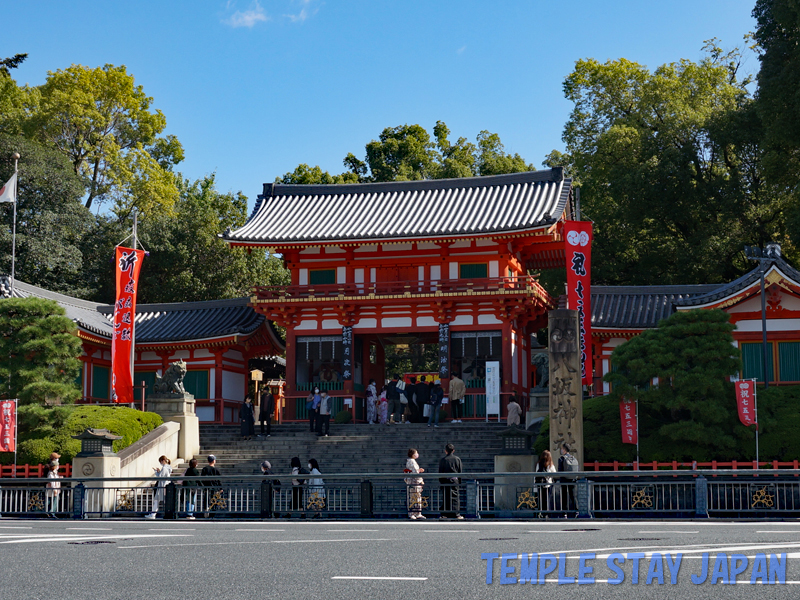
Yasaka Shrine is an ancient shrine that dates back to before 794, when the city of Kyoto was founded. It is the head shrine of the approximately 2,300 Yasaka shrines in Japan. The main hall is the largest of its kind among shrine buildings and is designated a national treasure. Yasaka Shrine has two popular sub-shrines. -
Kawai shrine (Kyoto) : Votive plaque for praying for beauty
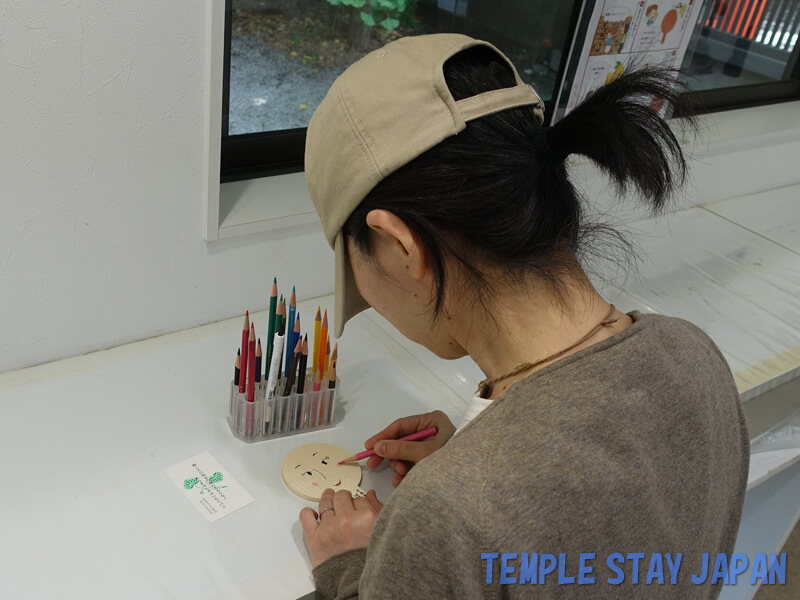
Kawai-jinja Shrine is located within the grounds of Shimogamo-jinja Shrine. A beautiful goddess is enshrined here, and it is said that those who pray there will become beautiful. The experience of drawing a face on a hand-mirror-shaped ema (votive plaque) is popular. -
Sennyuji temple (Kyoto) : The Imperial Family’s family temple
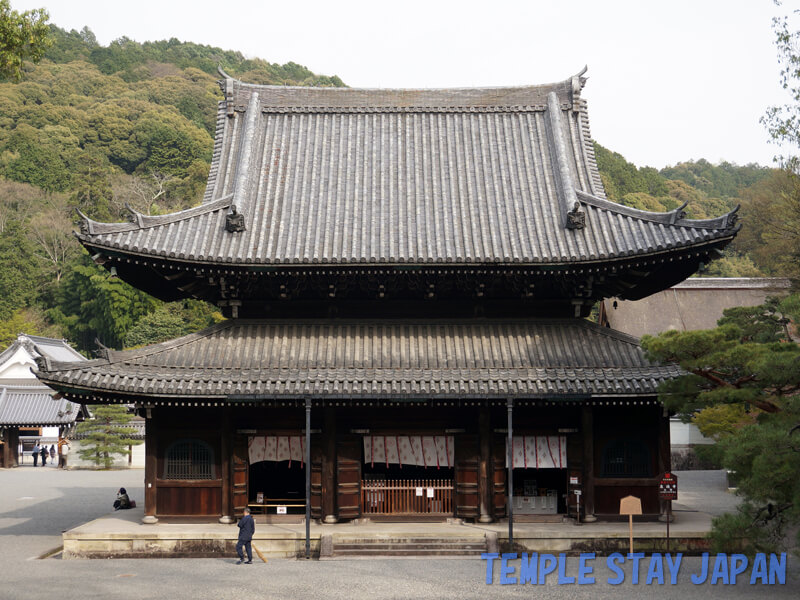
This temple is the head temple of the Sennyuji school of the Shingon sect. Many imperial mausoleums have been constructed here, and the area has deep ties to the Imperial Family. The layout in which the gate, the main hall, and the relic hall were aligned in a straight line was a typical style for old temples. -
Daishogun-hachi Shrine (Kyoto) : A deity presiding over directions
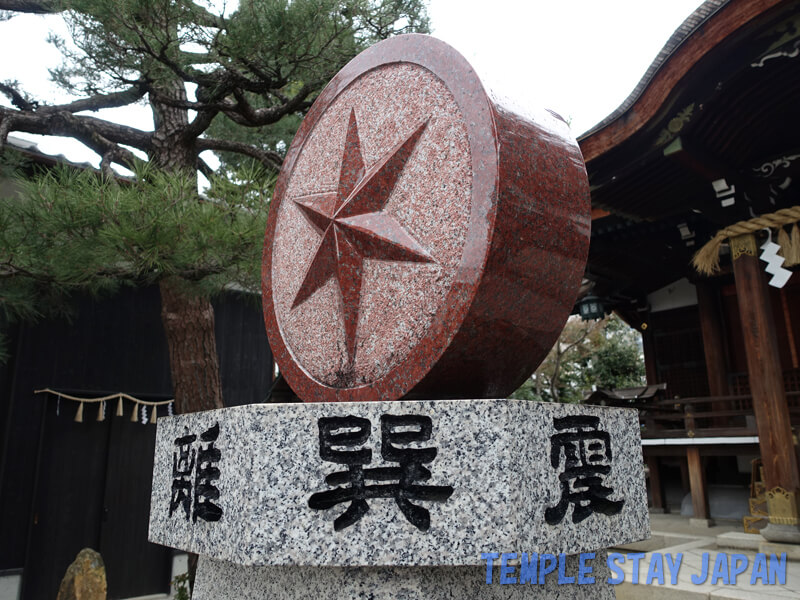
This shrine was founded in 794 - the year Kyoto was established - to protect the imperial capital. A deity governing the directional aspects of Onmyodo is enshrined here. For this reason, the influence of Onmyodo philosophy was strongly evident, and the layout differed somewhat from that of typical Japanese shrines.