Kansai? category ?
-

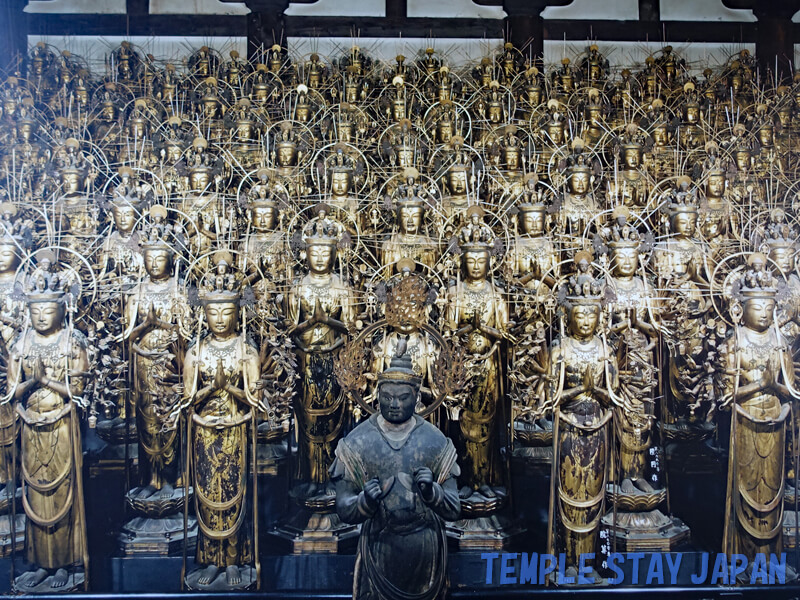
Sanjusangendo temple (Kyoto) : A Thousand Buddha Statues
The main hall of Sanjusangendo was built in 1164. It was later destroyed by fire, but was rebuilt in 1266 and remains as it is today. Inside the hall, there are 1,000 Thousand-Armed Kannon (Sahasrabhuja) statues lined up. The main hall and the group of Buddhist statues are all designated as national treasures. -
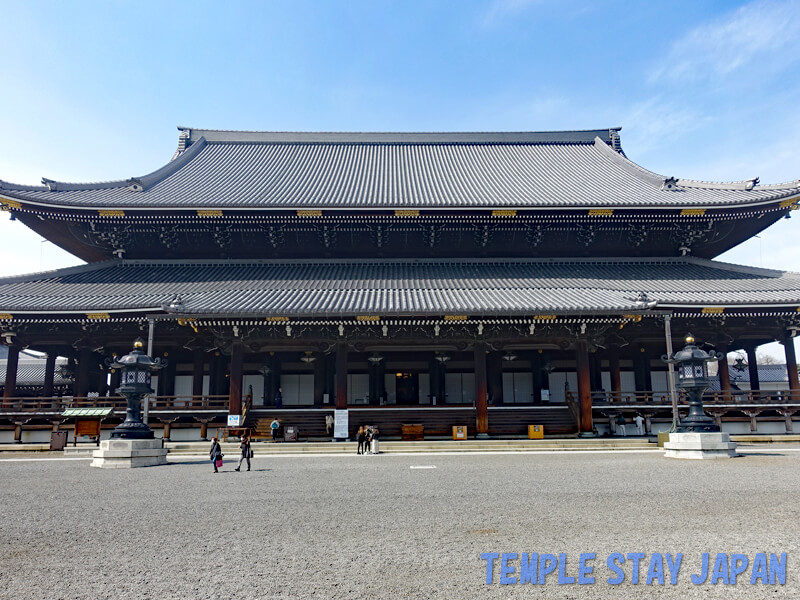
Higashi-Honganji temple (Kyoto) : Huge wooden buildings
Higashi-Honganji is the head temple of the Jodo Shinshu Otani sect. It is located very close to Kyoto Station. There are many buildings designated as important cultural properties within the temple grounds. The Goeido (Main) Hall is one of the largest wooden buildings in the world. -
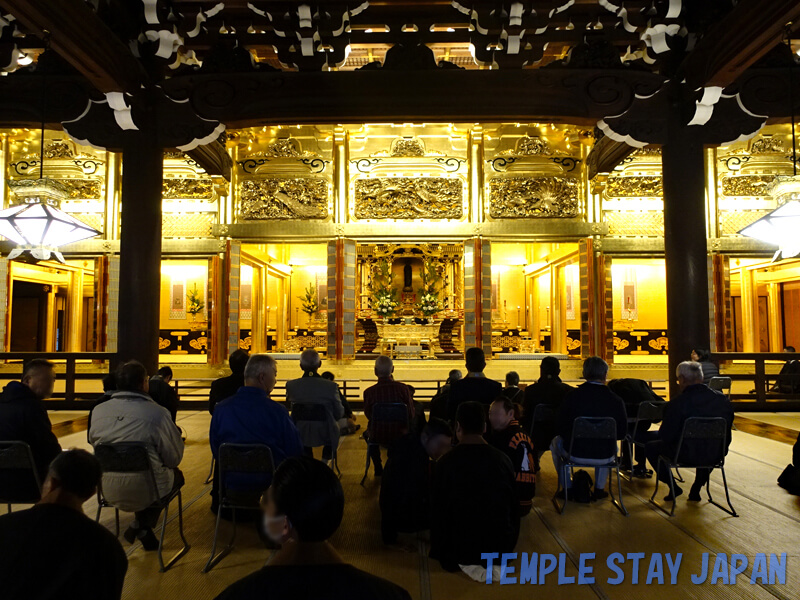
Higashi-Honganji temple (Kyoto) : Morning service near Kyoto Station
At Higashi Honganji Temple, services are held every morning from 7:00 AM in the Amida Hall and the Goeido Hall. No reservation is required. Anyone can attend by going to the temple at the scheduled start time. There were over a hundred worshippers, and it was a very grand event. -
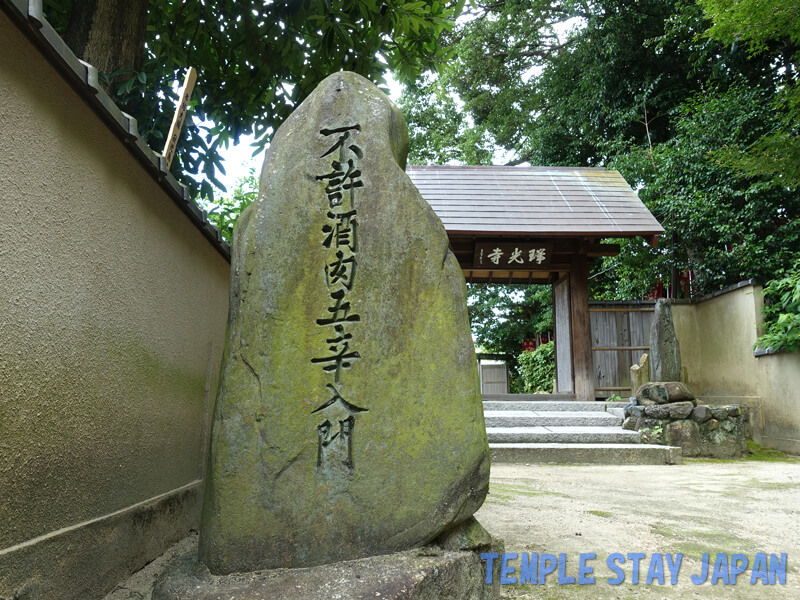
Zuikoji temple (Kyoto) : Wash your money to improve your fortune
Zuikoji Temple was founded in 1655. The main hall has a thatched roof. The main image of the temple is a statue of Sakyamuni enshrined inside the hall. A white dragon is enshrined near the entrance to the temple grounds. It is said that washing money here will bring you good fortune. -
Kinsatsugu shrine (Kyoto) : Increased financial luck
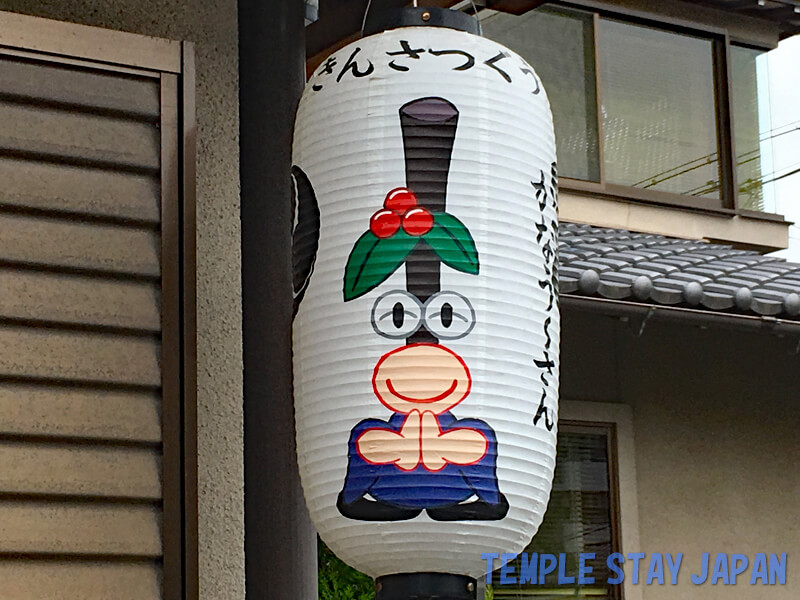
It is one of the oldest shrines in Fushimi Ward, Kyoto City. The shrine's character, "Kanau-san," is the spirit of the Kurogane Mochi. This name means wishes come true. It has red berries on its head. The sacred tree, Kurogane Mochi (Kurogane holly), contains the word for rich in Japanese. -
Awata shrine (Kyoto) : Touken Ranbu shrine
This shrine was enshrined in 876. It is located at one of the seven entrances to Kyoto and is said to provide protection for those setting out on their journey. Kaji Shrine, located in the parking lot, is dedicated to a swordsmith. Fans of the popular game "Touken Ranbu" visit the shrine and leave votive wooden tablets. -
Jonangu shrine (Kyoto) : Shrine Maiden Dance
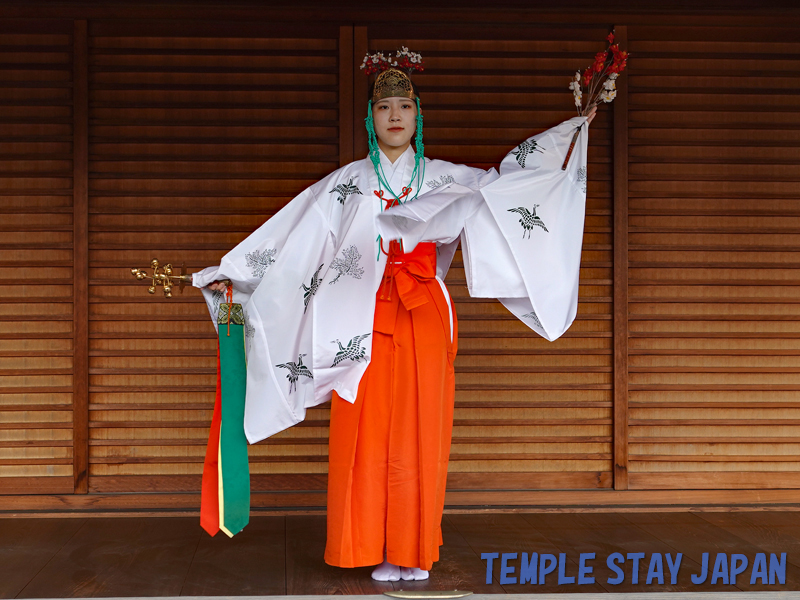
Jonangu Shrine was built in 794 when the city of Kyoto was founded. Shrine maiden dances are performed regularly. I went there in March, and the shrine maidens were wearing plum blossoms in their crowns and dancing while holding branches. After the shrine maiden dance, worshippers were given amulets. -
Okazaki Shrine (Kyoto) Rabbits that grant wishes
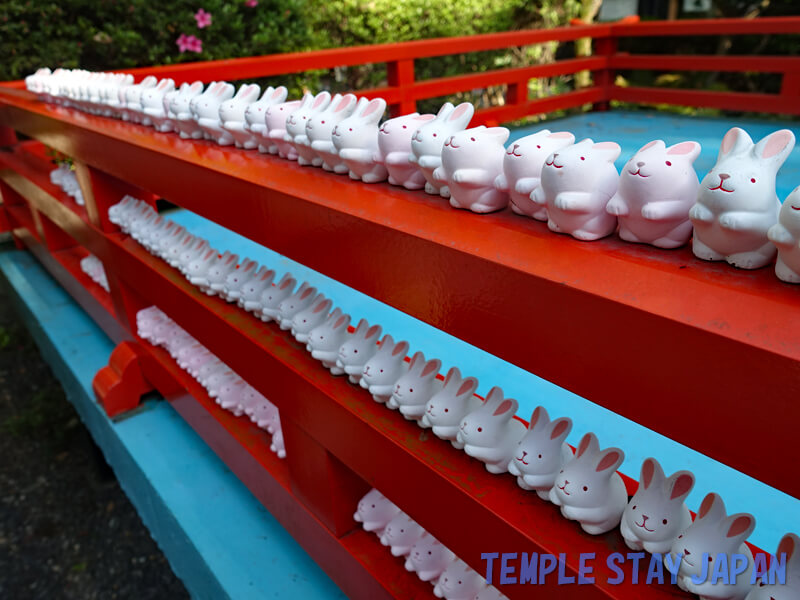
Okazaki-jinja Shrine was built in 794, the same year the city of Kyoto was founded. Rabbits are said to be messengers of gods. There are many rabbit statues in the precincts. Rabbits are said to bring blessings for safe childbirth because they give birth to many young. -
Yasui-Konpiragu shrine (Kyoto) : Prayer for severing ties
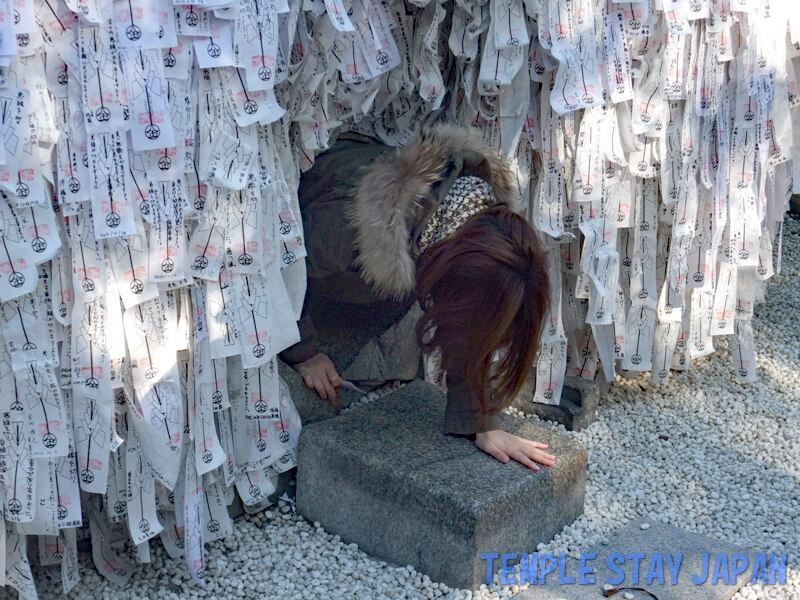
Yasui-Konpiragu Shrine was founded between 668 and 671. This shrine is famous for severing ties. There is a stone in the precincts where people pray for severing ties and finding love. You pass through from the front to the back while praying to cut ties. -
Kiyomizu-dera temple (Kyoto) : Early morning visit when it’s less crowded
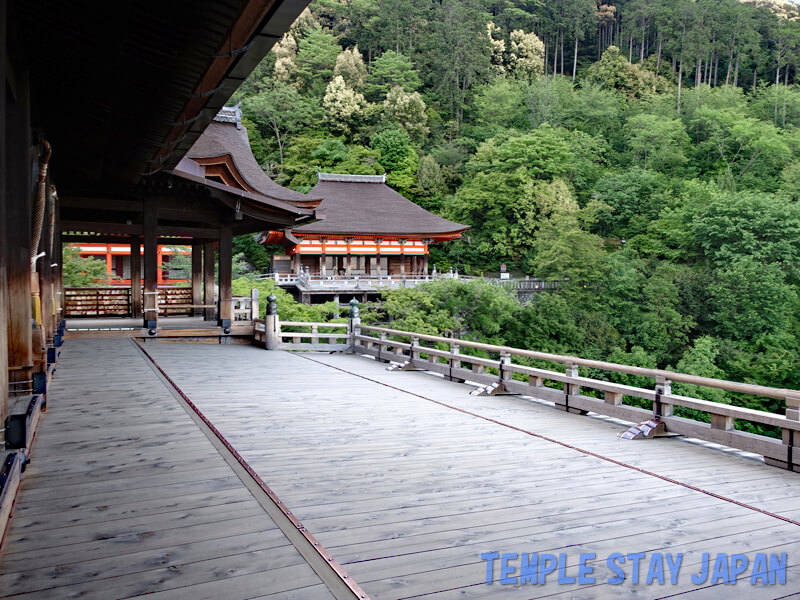
Kiyomizu-dera Temple is one of Kyoto's most representative temples. It's always very crowded during the day, but in the early morning there are fewer people, so you can visit the shrine at your leisure. I was the first one there, heading to the stage in front of the main hall.