Temple stay? Japan ?
-

Osumisanso shrine stay (Kanagawa)
Osumisanso is a shukubo of Oyama Afuri Shrine. Built in 1856, the interior still retains traces of its original appearance. There is a shrine on the second floor where you can receive prayers. Ancient documents and vessels have also been handed down. -
Sisisanso shrine stay (Kanagawa)
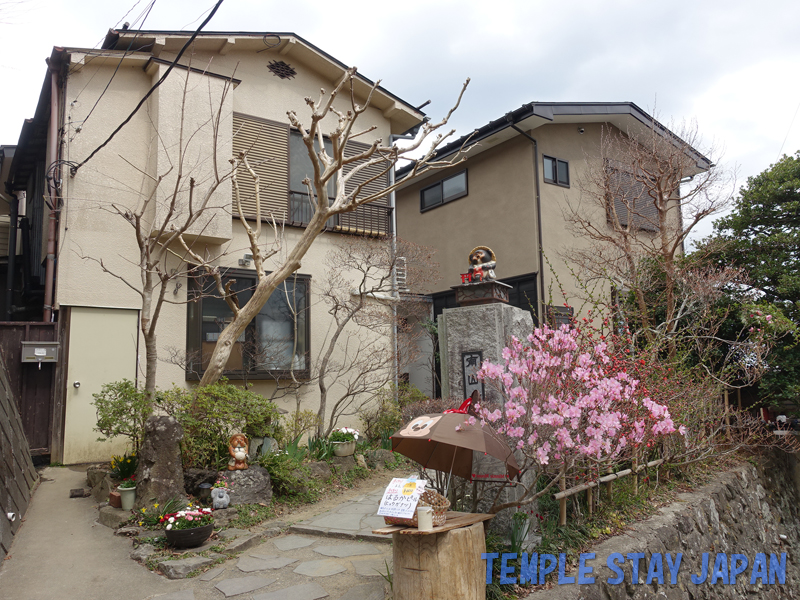
Shishi-sanso is a shukubo of Oyama Afuri Shrine. There are three Shishi (lion) statues in front of it. You can enjoy meals centered around Mt. Oyama's specialty tofu dishes. -
Syodenji temple stay (Tokyo)
Shodenji Temple is the hermitage where the 107th Emperor spent his later years in 1602. The shukubo is two stories high. Each floor has guest rooms, beds, a kitchen, toilets, and bathrooms (there is a shower room on the second floor). Multilingual support is also available. -
Mitakesanso shrine stay (Tokyo)
The main house was built in the late Edo period (18th to 19th century). There is a shrine within the shukubo, and the owner performs a Shinto ritual every morning. You can enjoy dishes that make use of seasonal ingredients, including konnyaku, a specialty of Mt. Mitake. -
Kuraya shrine stay (Tokyo)
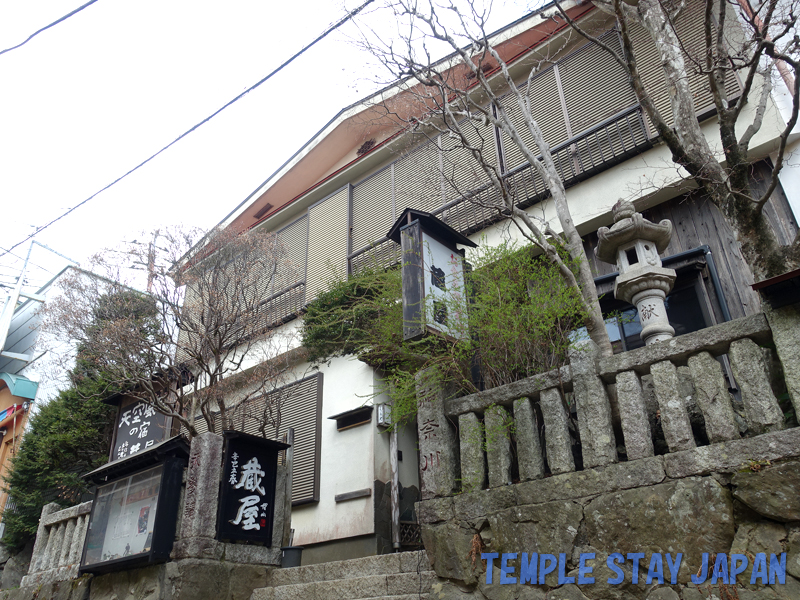
There are many shukubo at Musashi Mitake Shrine, but this is the one closest to the shrine. It has a history of 300 years and has long been a place where many worshippers have stayed. It is located on a hill and is known as an inn with a sky bath. -
Nobori shrine stay (Tokyo)
It has a history of 150 years and has provided accommodation for worshippers at the shrine. The large room contains a shrine. There are also many historical items in the building. For dinner, each dish was carefully prepared and served one after the other. -
Higashibaba shrine stay and cafe (Tokyo)
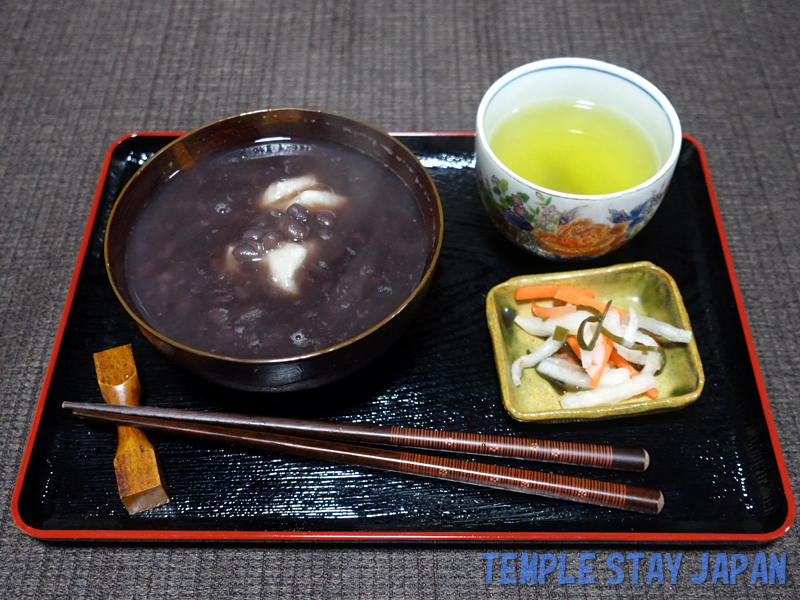
One of the highlights is the thatched roof building, which was built in 1866 and is designated as a cultural property. I didn't stay overnight but did pop into the cafe which is open during the day. I ordered sweet red bean soup with mochi (rice cake) in it. It was rich in sweetness and warmed my body. -
Nisonin temple stay (Yamaguchi)
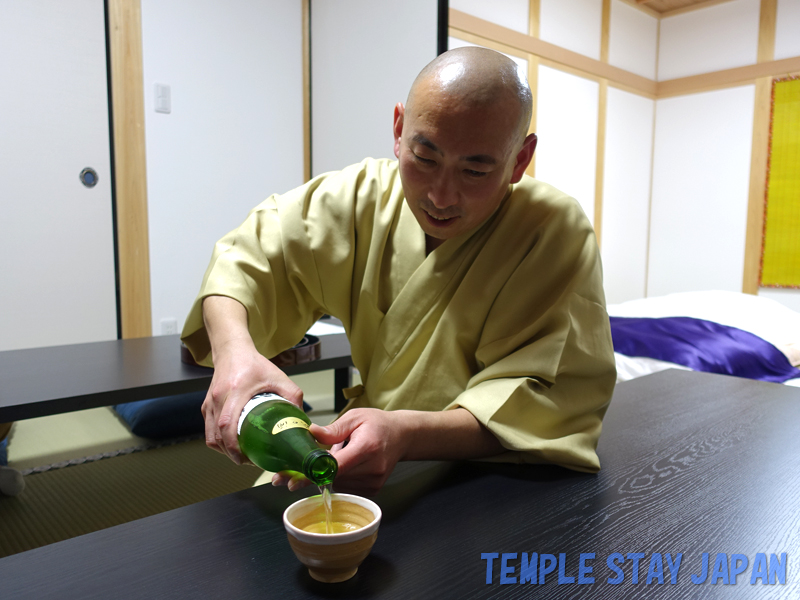
Nisonin Temple, located on the western edge of Honshu (the main island of Japan) , is a temple with 1,200 years of history. I had a meditation session in the main hall. Dinner is buddhist vegetarian cuisine made with local ingredients. After the meal, we had time to chat with the head priest over some drinks. -
Sanrakuso temple stay (Tottori)
Sanrakuso is a shukubo for Kanshoin Temple, one of the sub-temples of Daisenji Temple. This shukubo has a history of over 350 years. Since it was autumn, the meal consisted of Buddhist vegetarian cuisine centered around mushrooms. I copied the sutras at night. -
Nanzanso shrine stay (Tokyo)
Nanzanso is a shukubo of Musashi-Mitake Shrine. It is run as an inn without highlighting many of its shrine elements. Dinner is a multi-course meal with a focus on homemade dishes. You can also enjoy a hobby pottery gallery. The rooms facing east offer a view of the night view and sunrise.