Kyoto City? Temples and Shrines List ?
-

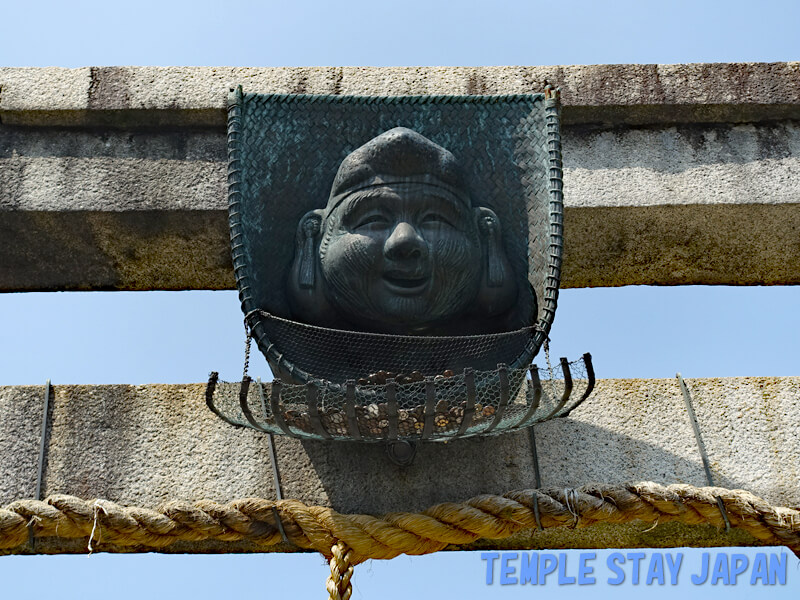
Kyoto Ebisu shrine (Kyoto) : One of Japan’s three great Ebisu shrines
Kyoto-Ebisu-jinja shrine was built in 1202 as the guardian shrine of Kenninji Temple. It is considered one of the three greatest Ebisu shrines in Japan. Ebisu is depicted holding a fishing rod and a sea bream, and is believed to bring good fortune for safe voyages and travels, as well as success in fishing and business. -
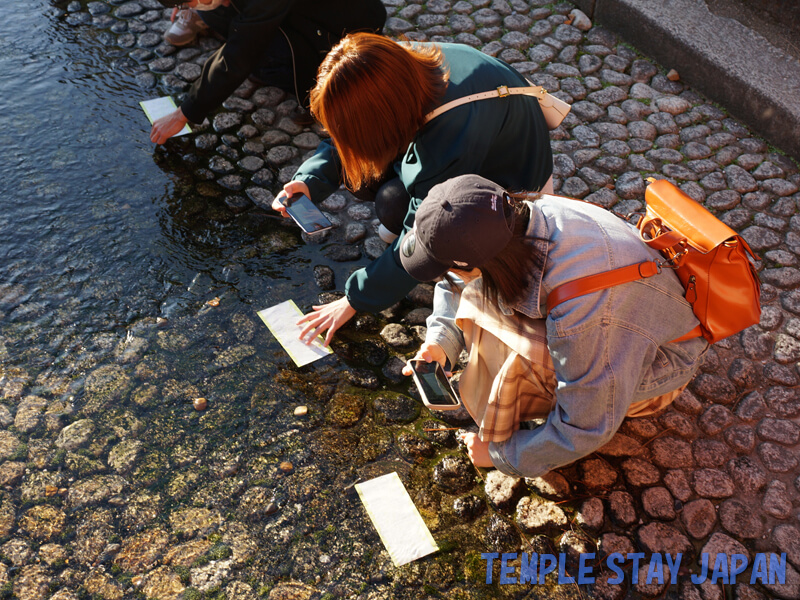
Shimogamo shrine (Kyoto) : Forest and Water Shrine
Shimogamo-jinja is a shrine with a long history, first mentioned in records as far back as 90 BC. The two main buildings are designated as Japanese national treasures. The forest within the shrine grounds covers an area of 124,000 square meters, and ancient vegetation still remains. -
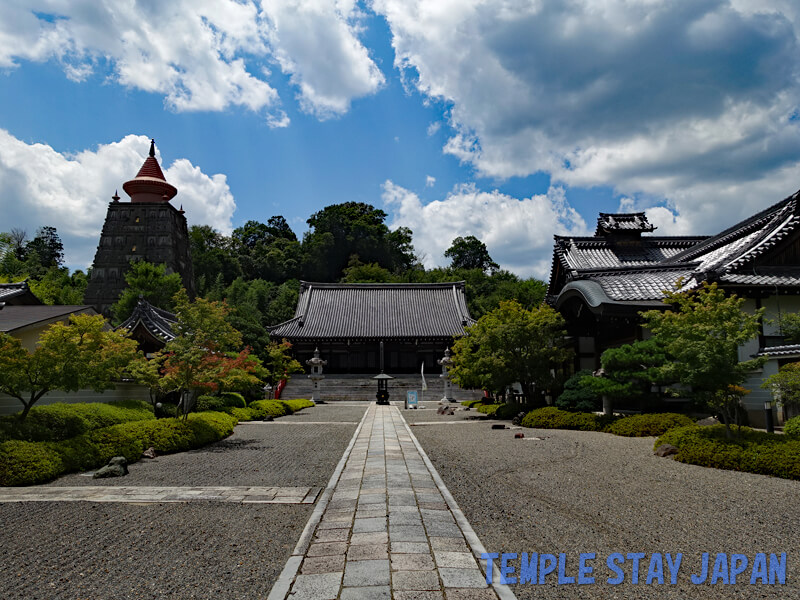
Myomanji temple (Kyoto) : The Legendary Bell
Myomanji Temple is the head temple of the Kenpon Hokke sect. This is the place associated with the legend of Kiyohime, who fell in love with the monk Anchin but was rejected, and then transformed into a giant snake to pursue him. The garden known as the "Snow Garden" is also famous. -
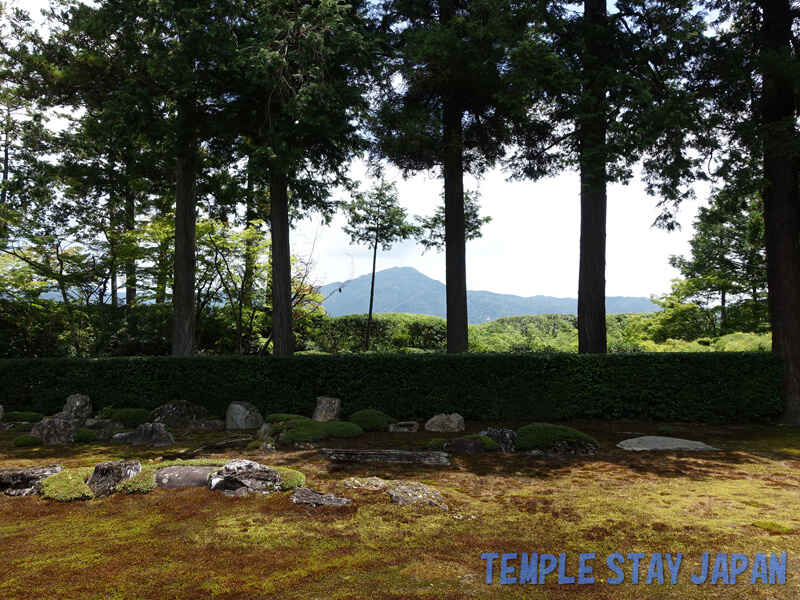
Entsuji temple (Kyoto) : A prime example of a borrowed-scenery garden
This temple was originally a detached palace built by Emperor Go-Mizunoo in 1639. Later, in 1678, it became a temple of the Rinzai school of Zen Buddhism. The dry landscape garden in front of the guest hall is said to have been built in a location that offers the most beautiful view of Mount Hiei. -
Tokurinan temple (Kyoto) : Yamashina-jizo (Legendary Statue of Ksitigarbha)
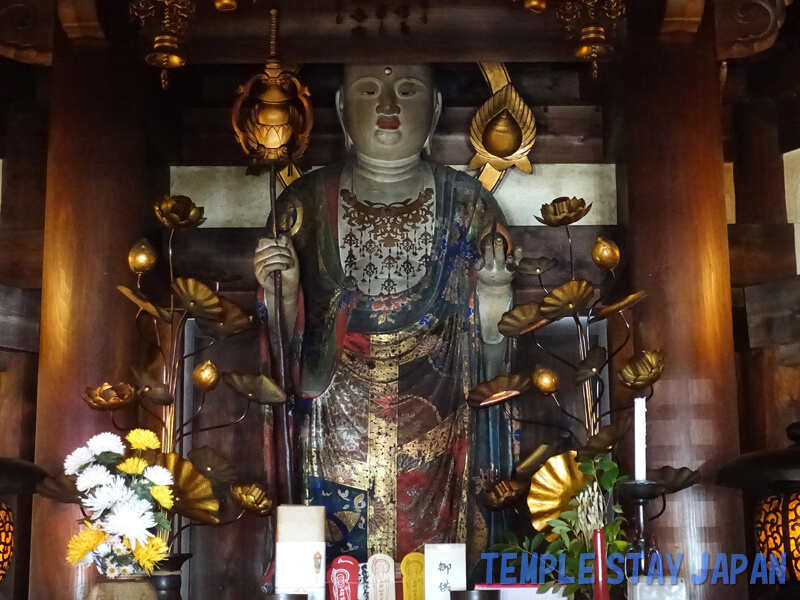
This temple was founded in 1550. It was located a short walk from Yamashina Station. A statue of Jizo Bosatsu (Ksitigarbha), standing about 3 meters (9.84 ft) tall, was enshrined inside the hall. This is one of the six statues created by Ono no Takamura in 852. -
Gonjoji temple (Kyoto) : Fushimi-Daibutsu (Great Buddha)
This is a temple with a large Buddha statue enshrined in the main hall. It is known as the Great Buddha of Fushimi. It is not usually open to the public for viewing, but it is sometimes specially opened for events. There is a well within the temple grounds associated with Fukakusa no Shosho. -
Kashoji (Fukakusa-syoten) temple (Kyoto) : The Two Benefits of Kangiten
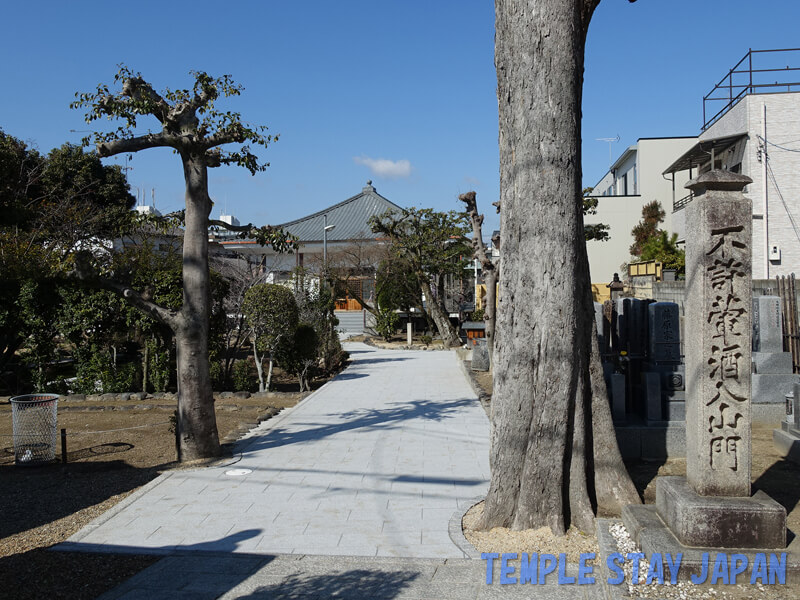
This temple was founded in 851. The principal deity is Kangiten (Nandikesvara), depicted as two figures with the heads of elephants and human bodies locked in an embrace. The stone pillar standing at the entrance bore an inscription stating that it was the first Kangiten in Japan. -
Hotoji temple (Kyoto) : Hidden Architectural Gems
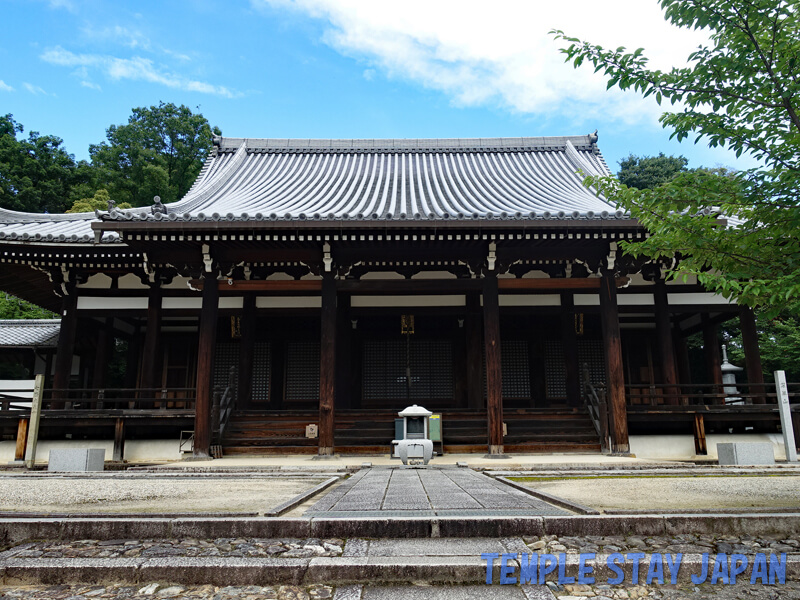
This temple was founded in 899. This temple is usually very quiet, but the grounds contain a valuable temple hall. Behind the main hall, there is a path leading up to Mount Shichimen. It is a secluded spot where you can feel a deep sense of sanctity, so I highly recommend it. -
Sekihoji temple (Kyoto) : The Five Hundred Arhats with expressive faces
Despite being close to Fushimi Inari Taisha, the setting was very quiet and relaxing. The Five Hundred Arhats are one of the temple's most famous attractions and were designed by the 18th-century painter Ito Jakuchu. Each statue had such a rich expression that simply looking at them was a delight. -
Shorenin-Monzeki temple (Kyoto) : History , Highlights , Access
It is said that this temple originated as a dwelling for monks built in the mountains when Enryakuji Temple on Mount Hiei was founded in the early 9th century. In the 12th century, Emperor Toba constructed a palace on the present site and renamed it Shorenin. You can visit various temple halls and gardens.