Kyoto City? Temples and Shrines List ?
-

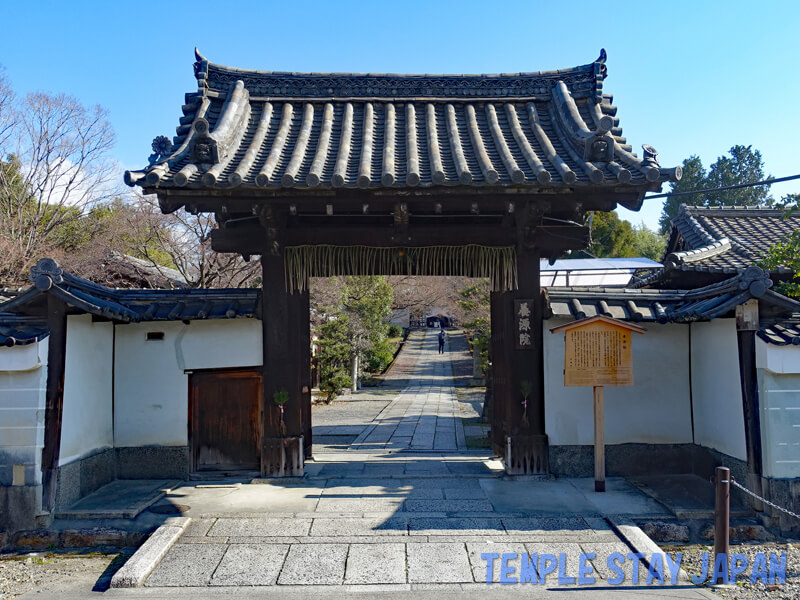
Nanzenji Konchiin temple (Kyoto)
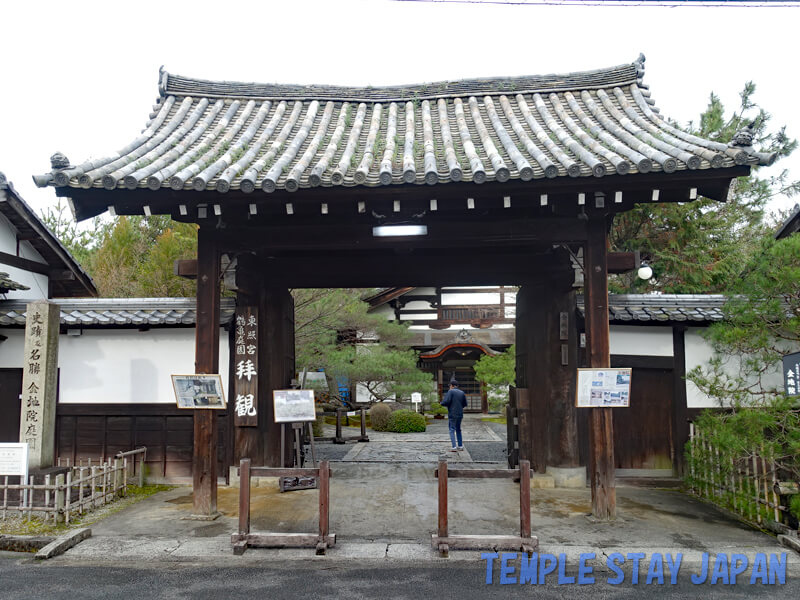
Konchiin is a sub-temple of Nanzenji, founded around 1400, and moved to its current location in 1605. The garden created by Kobori Enshu in 1632 is famous. Because it has islands shaped like cranes and turtles, it is called the Crane and Turtle Garden. In Japan, these two animals are considered auspicious. -
Nanzenji Tenjyuan temple (Kyoto)
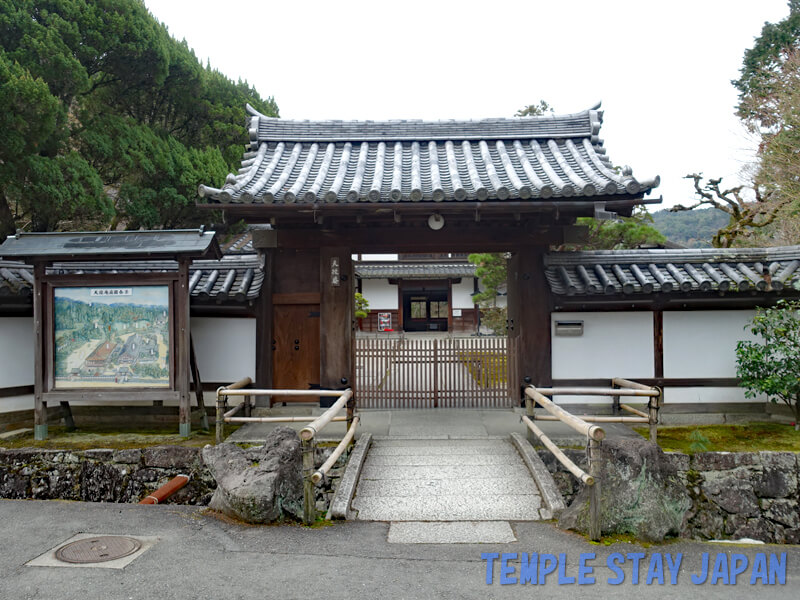
It is a sub-temple of Nanzenji Temple, founded in 1339. It is located just south of the massive Sanmon gate of Nanzenji Temple. The two main attractions are the pond garden and the dry landscape garden. It is especially popular during the autumn foliage season. -
Himukai-daijingu shrine (Kyoto) : photos and reviews
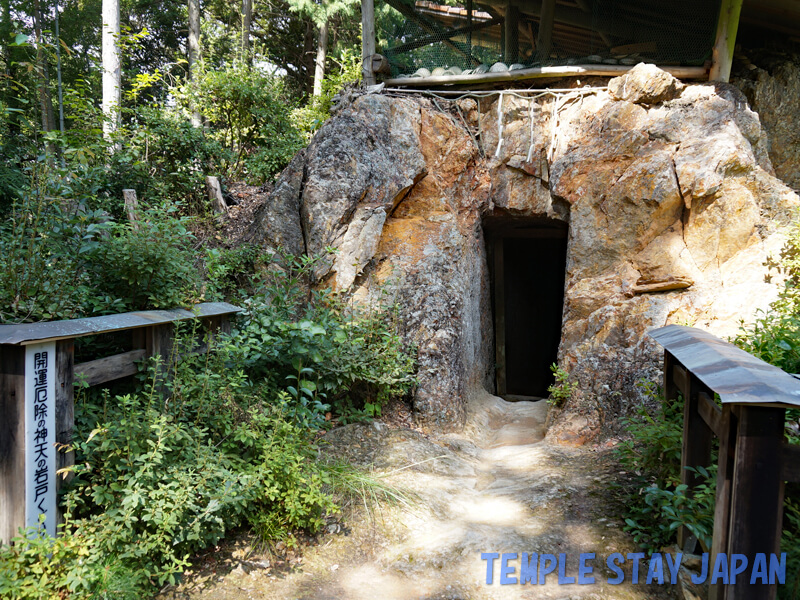
The deities are enshrined in the same style as those at Ise Grand Shrine, the most prestigious shrine in Japan. As you climb the stairs leading up to the shrine, you will find the Geku (Outer) Shrine and the Naiku (Inner) Shrine. Further along, you'll find a cave called Ama-no-Iwato, which you can pass through. -
Rokuharamitsuji temple (Kyoto) : photos and reviews
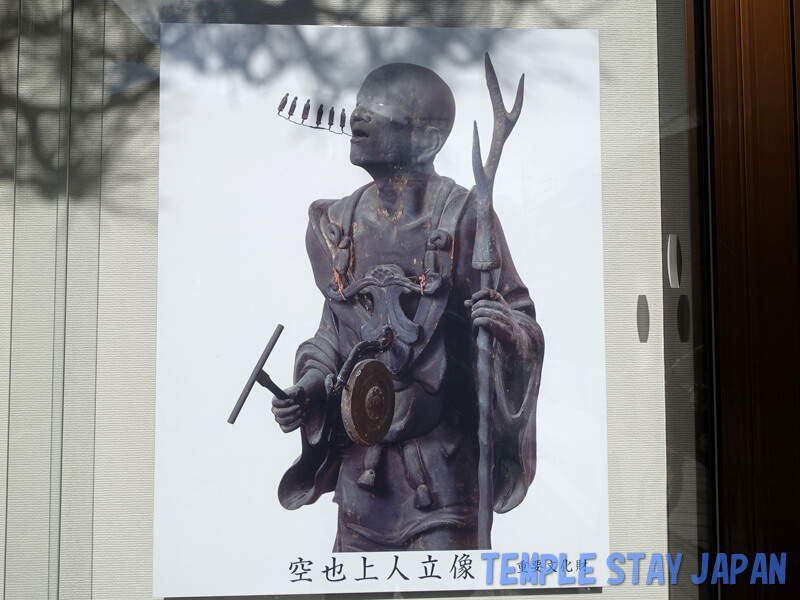
Rokuharamitsuji Temple was founded in 951. This temple is famous for its statue of Kuya Shonin. This statue has a unique appearance, with six Amida Buddhas (Amitabhas) emerging from its mouth. In addition, you can see many other Buddhist statues that are designated as important cultural properties. -
Shohoji temple (Kyoto)
This temple, originally a Tendai sect temple located in this area, was renamed Shohoji in 1383 and converted to the Jishu sect. Located on a hill, the temple grounds offer panoramic views of Kyoto. -
Kyoto-Rryozen-Gokoku shrine (Kyoto)
This shrine is dedicated to the patriots who played an active role during the period when Japan modernized, following the end of the Edo period under the rule of the Tokugawa shogunate. This site contains the graves of figures who shaped Japanese history, such as Sakamoto Ryoma, Nakaoka Shintaro, and Katsura Kogoro. -
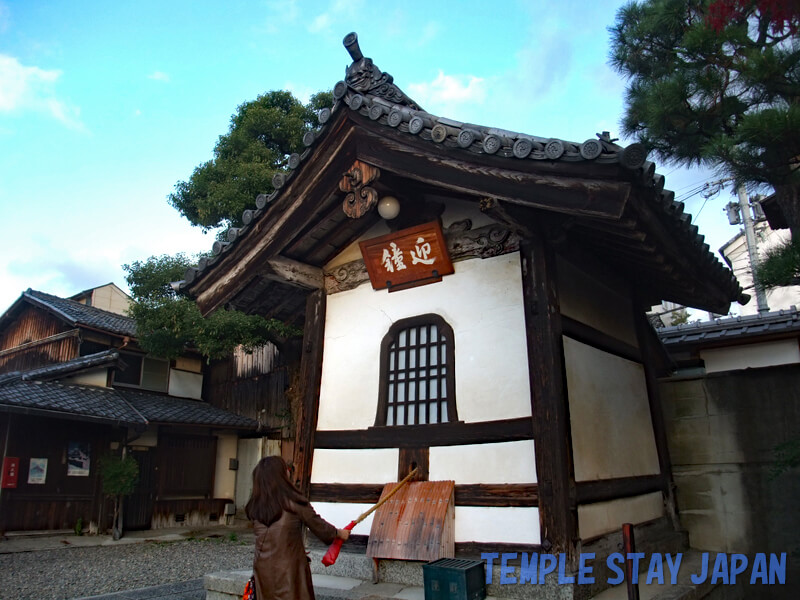
Rokudo-Chinnoji temple (Kyoto) : A bell to call upon our ancestors
The area where Rokudo-Chinnoji Temple is located was once a burial ground. For this reason, this place is said to be on the border with the land of the dead. The bell located within the temple grounds is called the "welcoming bell." This bell is rung to summon ancestors because its sound resonates even to the afterlife. -
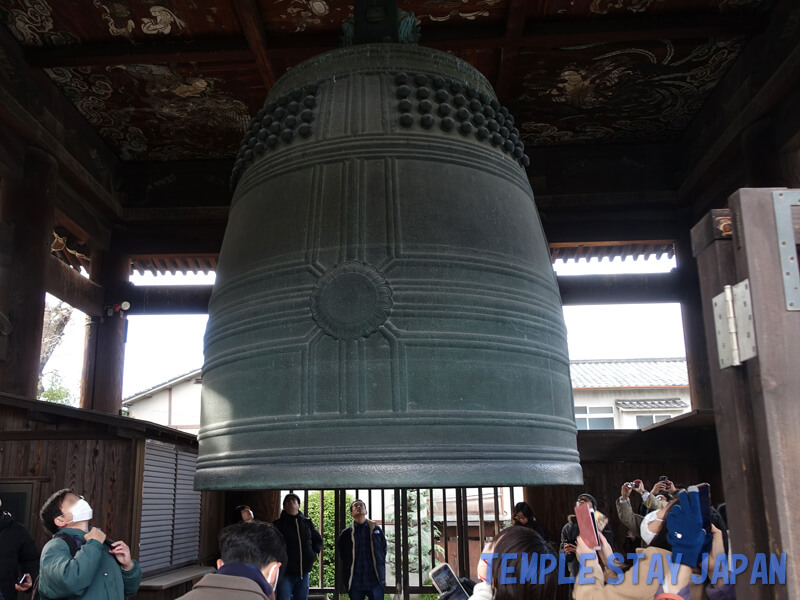
Hokoji temple (Kyoto) : The temple bell that changed history
Within the grounds of Hokoji Temple, there is a gigantic temple bell. This was made in 1614 by Toyotomi Hideyori to commemorate his father, Hideyoshi. However, the inscription is said to contain words cursing Tokugawa Ieyasu, which ultimately led to the downfall of the Toyotomi family. -
Yogenin temple (Kyoto) : Blood stained ceilings
Yogenin Temple was built in 1594 by Yodo-dono, a concubine of Toyotomi Hideyoshi, to commemorate her father. This temple is famous for its blood-stained ceiling. There are bloodstains on the ceiling from samurai who committed suicide.It's a very striking sight, with the shapes of hands and feet clearly visible. -
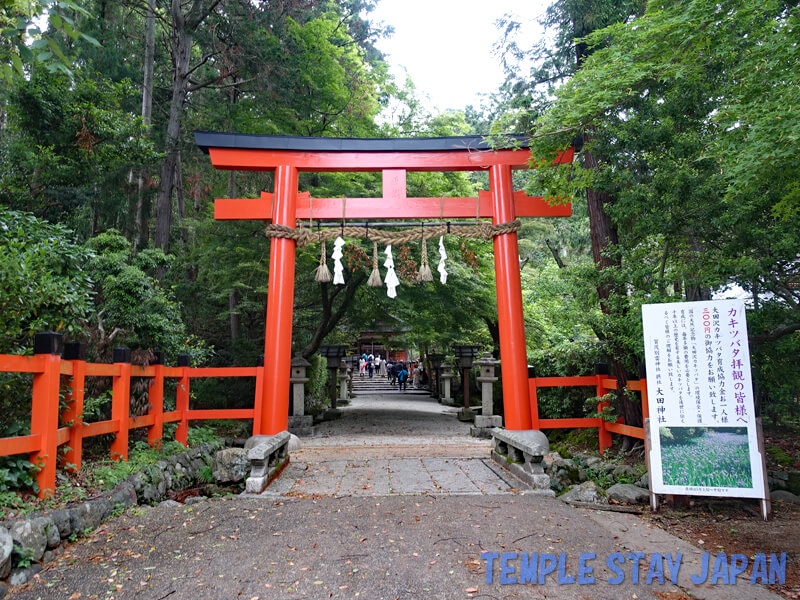
Oota shrine (Kyoto)
It is a subsidiary shrine of Kamigamo-jinja Shrine, but its founding date is older than that. The enshrined deity is Ame-no-Uzume-no-Mikoto, who is believed to grant blessings for improvement in performing arts. On the east side of the shrine grounds is a pond, famous for its Japanese irises that bloom around mid-May.