Sennyuji temple
|
TEL :075-561-1551 Address :27 Sennyuji Yamanouchicho, Higashiyama Ward, Kyoto Access :JR Kyoto Station > (city bus number 208) > Sennyuji-michi bus stop > 15 minutes walk Parking :There is a parking lot Hours : Opning 9:00 – Closing 17:00 (March to November) / 16:30 (December to February) Last entry is 30 minutes before closing Entrance fee : Grounds 500 yen / Special Viewing Area 500 yen |
About Sennyuji temple
This temple is the head temple of the Sennyuji school of the Shingon sect. It originated from a thatched hermitage established by Kobo Daishi (Kukai) around 824–834.
This temple originated as a thatched hermitage established by Kobo-Daishi (Kukai) around 824–834. The temple complex was constructed in 1218, and the funeral of Emperor Shijo took place here in 1242. From this time onwards, the mausolea of many emperors and empresses were constructed, and they maintain a deep connection with the Imperial Family to this day.
Photos and Reviews
Sennyuji Temple was located about a 20-minute walk from Tofukuji Station. There are many temples along the way, such as Sokujoin and Kaikoji. (Visiting those places was also enjoyable)
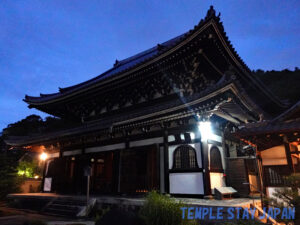
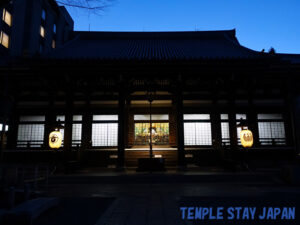
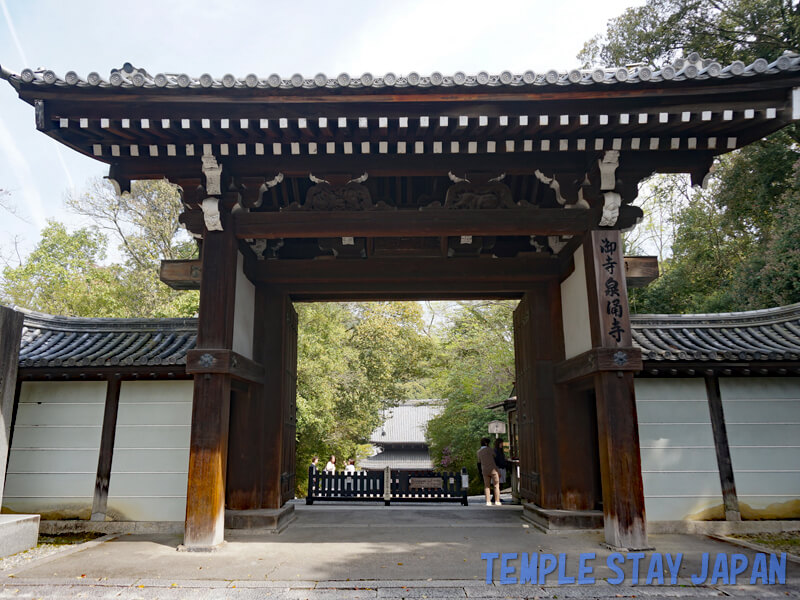
Sennyuji Temple has vast temple grounds. And one of the major features is that the main hall is located at a lower level than the entrance. As I walked down the slope toward the main hall, I was able to take my time admiring its magnificent appearance.
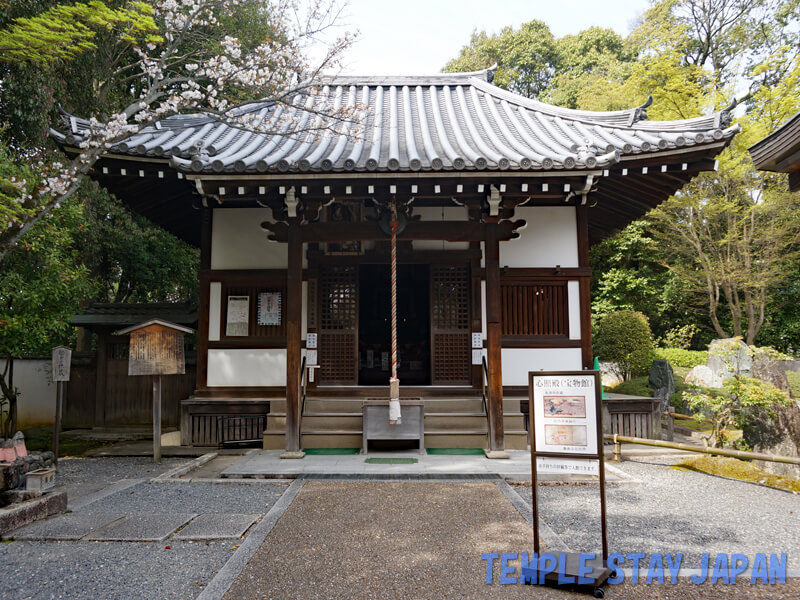
This hall is designated as an Important Cultural Property.
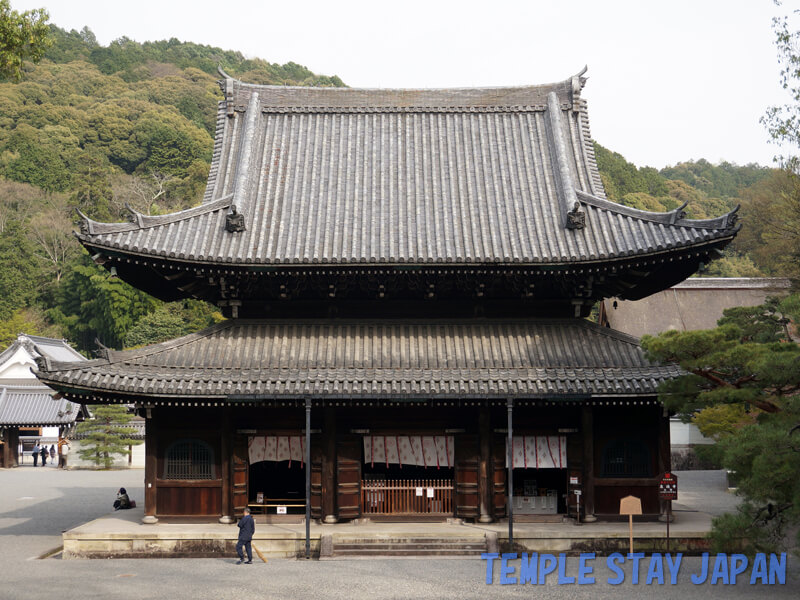
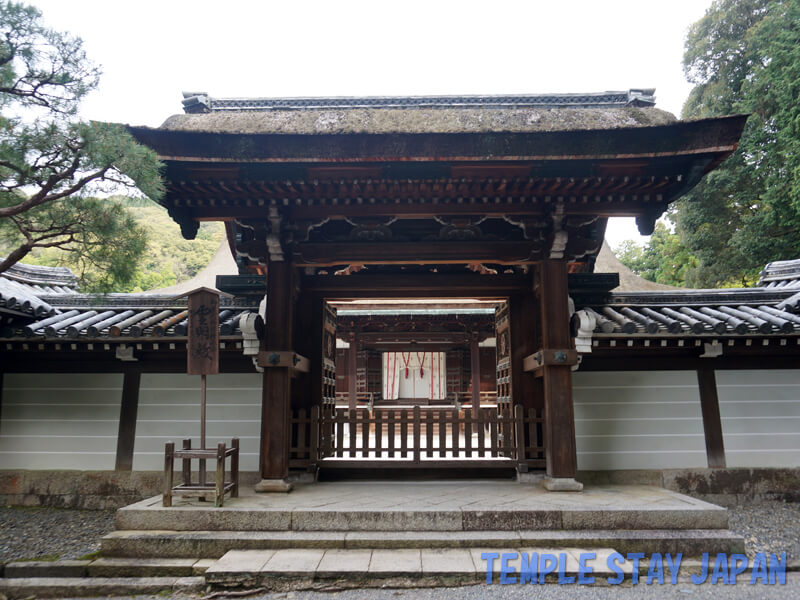
Further back, there was also a reliquary hall housing the remains of Sakyamuni Buddha. The layout in which the gate, the main hall, and the relic hall were aligned in a straight line was a typical style for old temples.
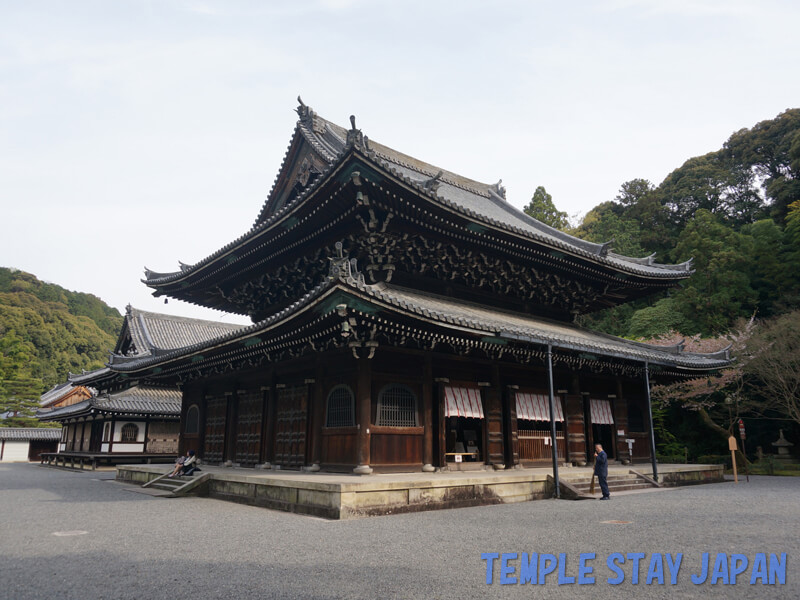
Further beyond that stood the Reimei-den, which housed the spirit tablets of successive emperors.
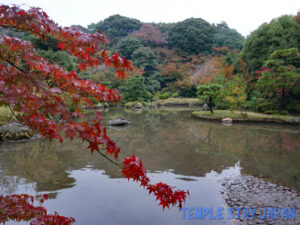
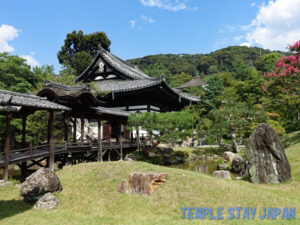
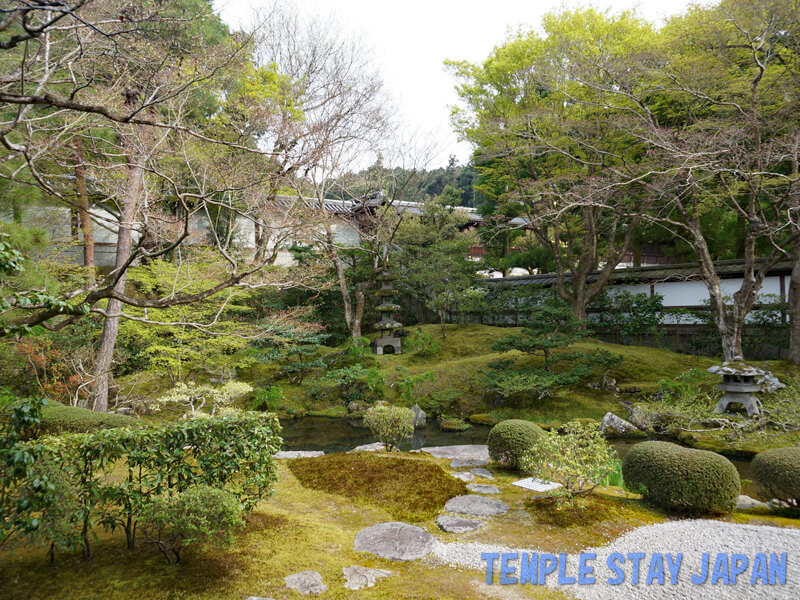
I paid an additional admission fee and entered the Imperial Audience Chamber and the garden. The garden was beautiful, with trees and stone lanterns arranged around the pond.
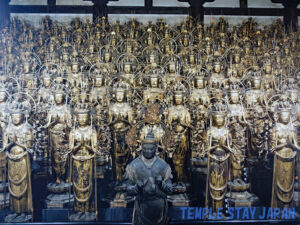
The popular Kannon-do Hall is located right at the entrance to Sennyuji Temple. It is said that the Kannon Bodhisattva (Avalokitesvara) enshrined here was modeled after the likeness of Yang Guifei.
It has long been believed that visiting the Kannon makes one beautiful. Although photography was not permitted, I was able to go inside and pay my respects to the Buddha statue.