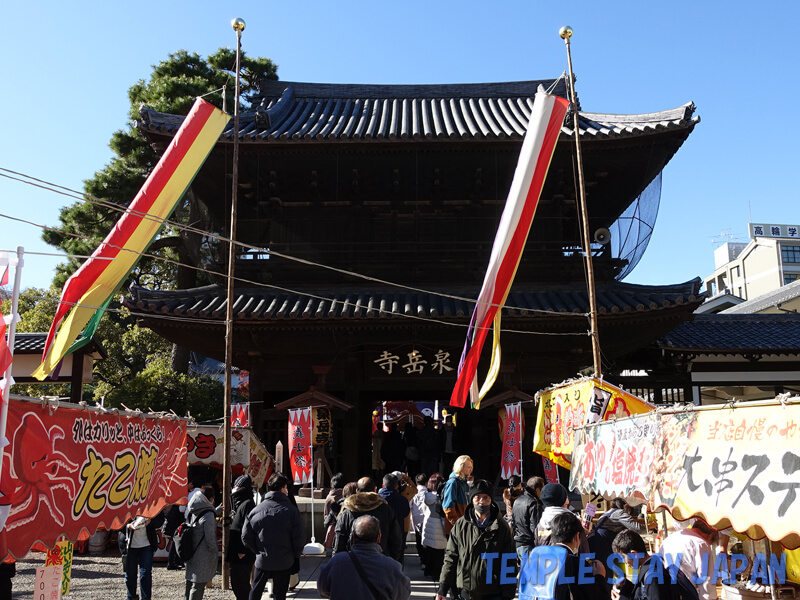
Sengakuji temple
|
TEL : 03-3441-5560 Address : 2-11-1 Takanawa, Minato City, Tokyo Access : Toei Asakusa Line Sengakuji Station (Exit2) > 3 minutes walk Hours : Opning 7:00 – Closing 16:00 Entrance fee : free / Museam 500 yen / cemetery 300 yen |
About Sengakuji Temple
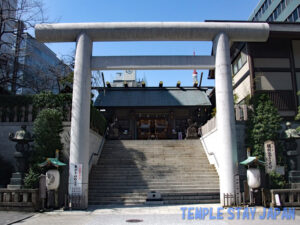
This temple was founded in 1612 by Tokugawa Ieyasu, the first Tokugawa shogun. It flourished as one of the three major Soto Zen temples in Edo (the old name for Tokyo).
Sengaku-ji Temple is famous for the story of Chushingura. In 1701, Asano Takumi-no-Kami, the lord of the Ako Domain, was ordered to commit “seppuku (ritual suicide)” for the crime of attacking Kira Kozuke-no-Suke with a sword.
Dissatisfied with this, 47 retainers killed Kira Kozuke-no-Suke in 1703. They subsequently committed seppuku. The act of avenging their master without regard for their own lives has been praised across the ages.
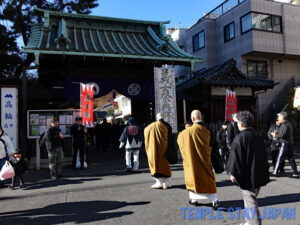
The Gishi-sai (Loyal Retainers’ Festival) on December 14
I went to the Gishi-sai (Loyal Retainers’ Festival) held every year on December 14th at Sengakuji Temple. When I arrived at the temple, monks and women in kimono were walking in a procession.
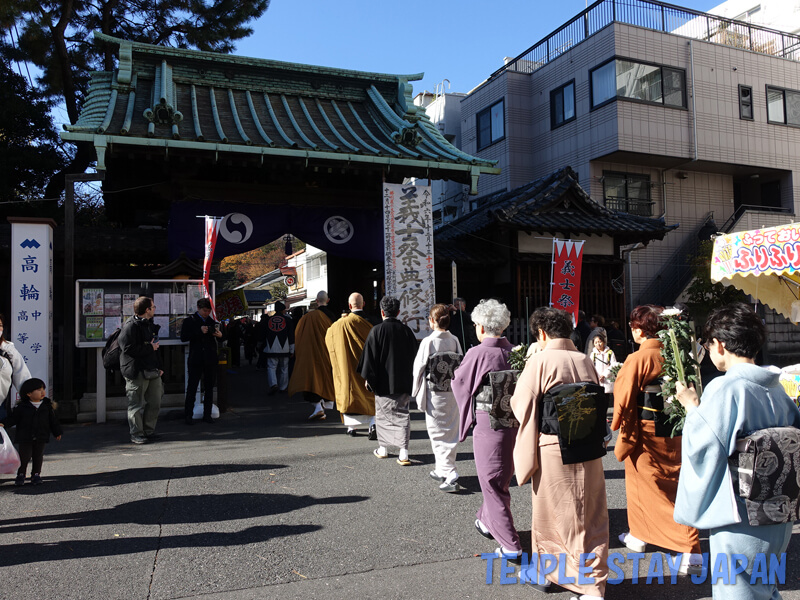
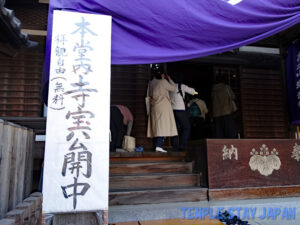
Upon entering the temple grounds, I found a gate open that is normally closed to the public.
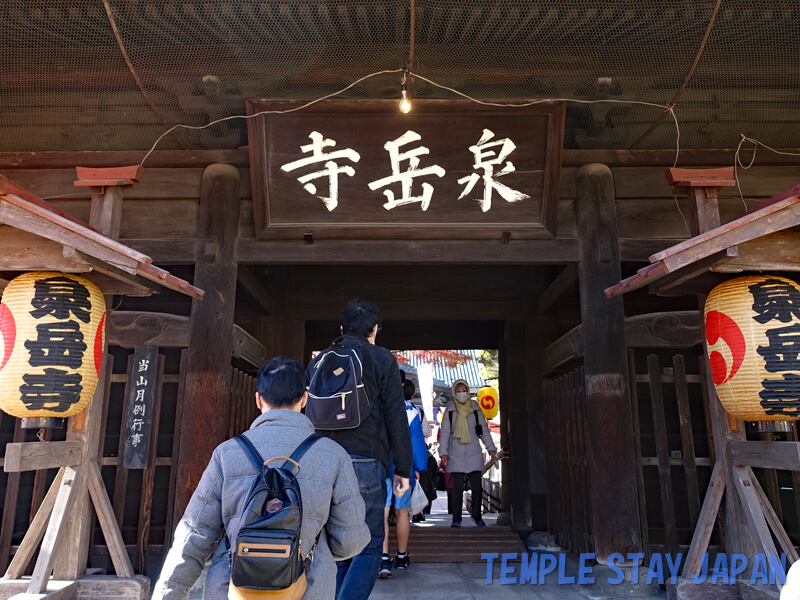
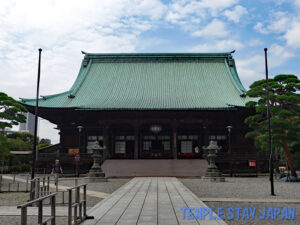
The area in front of the main hall was bustling with many worshippers. There was a line of visitors at the graves of the loyal retainers as well.
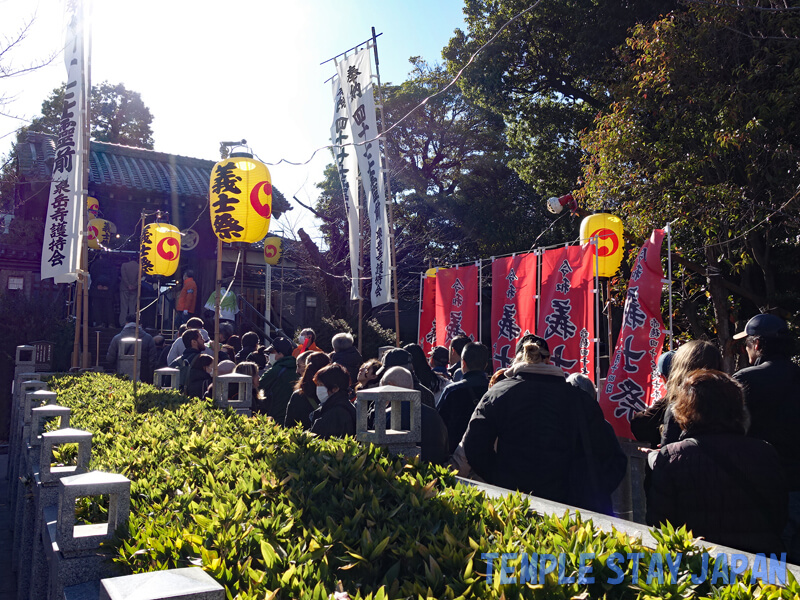
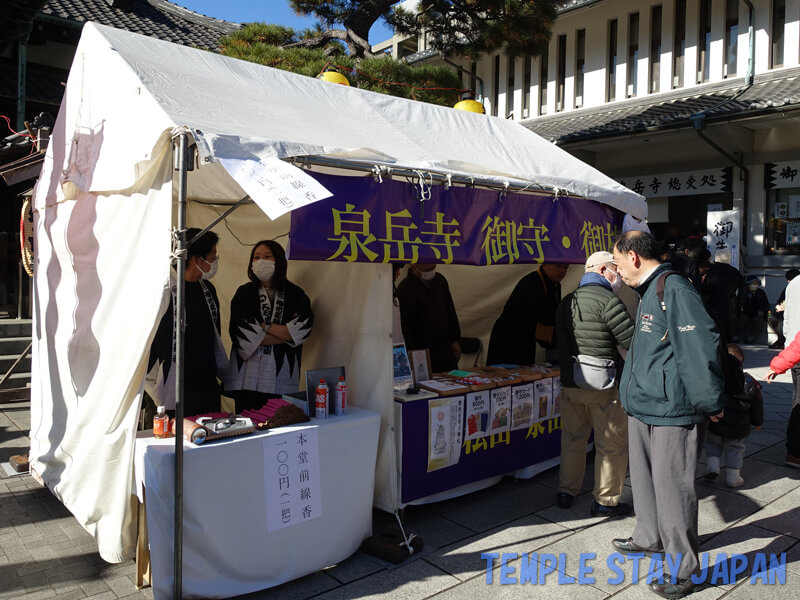
Many stalls were set up within the temple grounds, selling items such as amulets, goshuin (temple seals), souvenirs, and food and drinks.
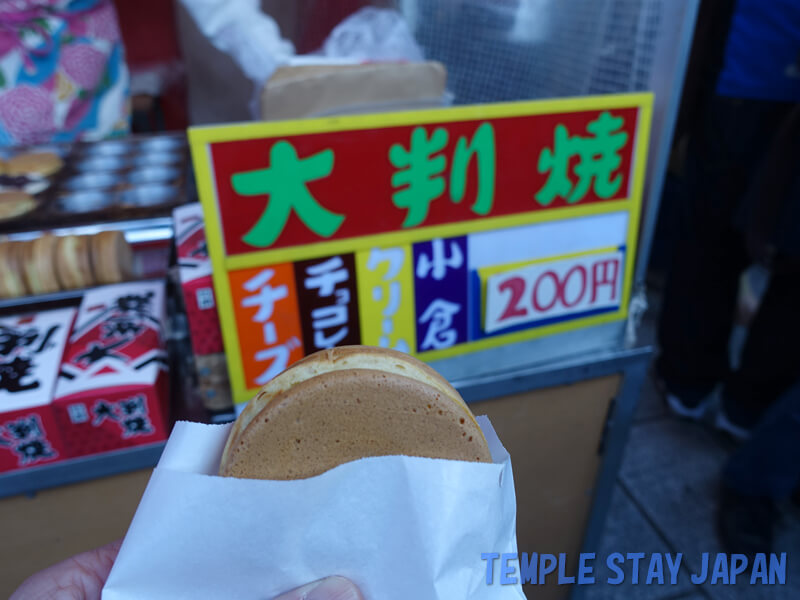
I ate an Obanyaki (Japanese pancake filled with sweet red bean paste). It was delicious.
Gishi Parade
The Gishi Parade arrived at the temple shortly after 3:00 p.m. This depicts the scene where the retainers who slew Kira Kozuke-no-Suke carried his head to Sengakuji Temple.
The scene where the head is being carried is worth noting.
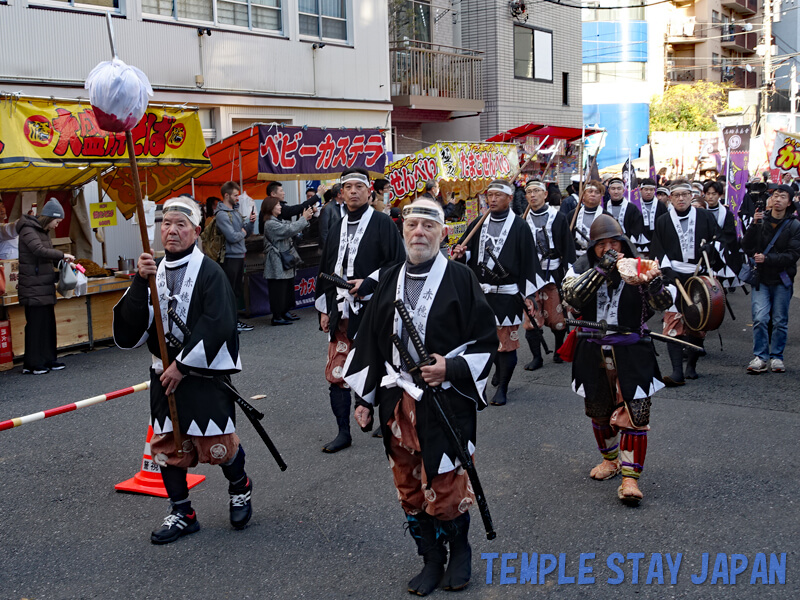
It is said that a drum was sounded as the signal for the raid, and it has become a symbol for them.
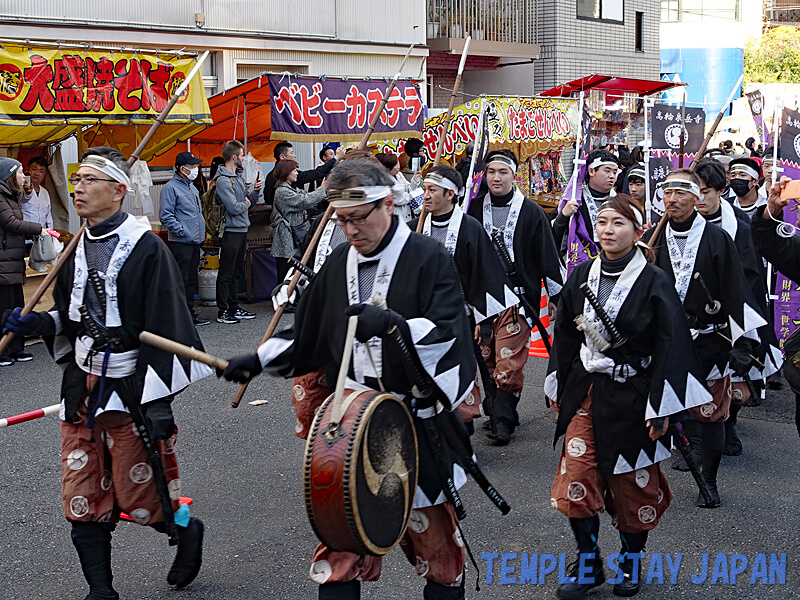
The temple grounds were at their liveliest during this time.
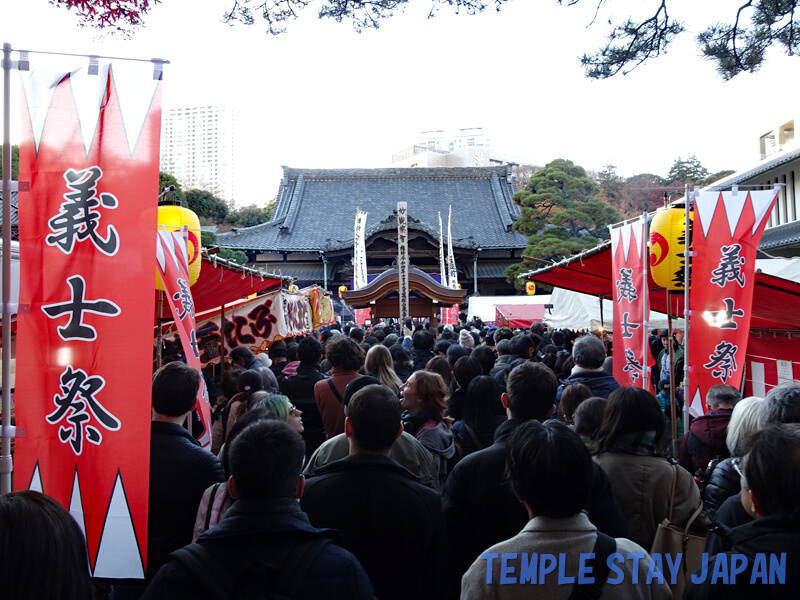
Incidentally, a Gishi Festival is also held in April, though on a smaller scale.