Japan? category ?
-

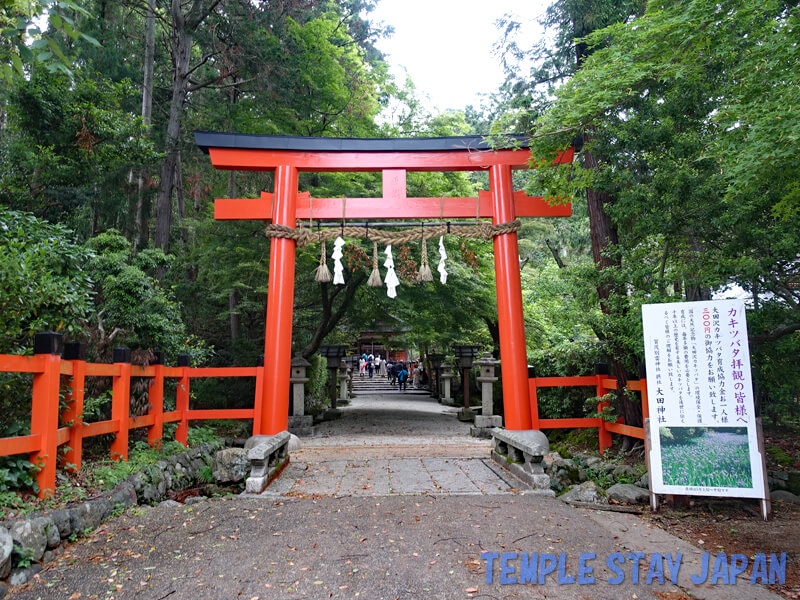
Oota shrine (Kyoto)
It is a subsidiary shrine of Kamigamo-jinja Shrine, but its founding date is older than that. The enshrined deity is Ame-no-Uzume-no-Mikoto, who is believed to grant blessings for improvement in performing arts. On the east side of the shrine grounds is a pond, famous for its Japanese irises that bloom around mid-May. -
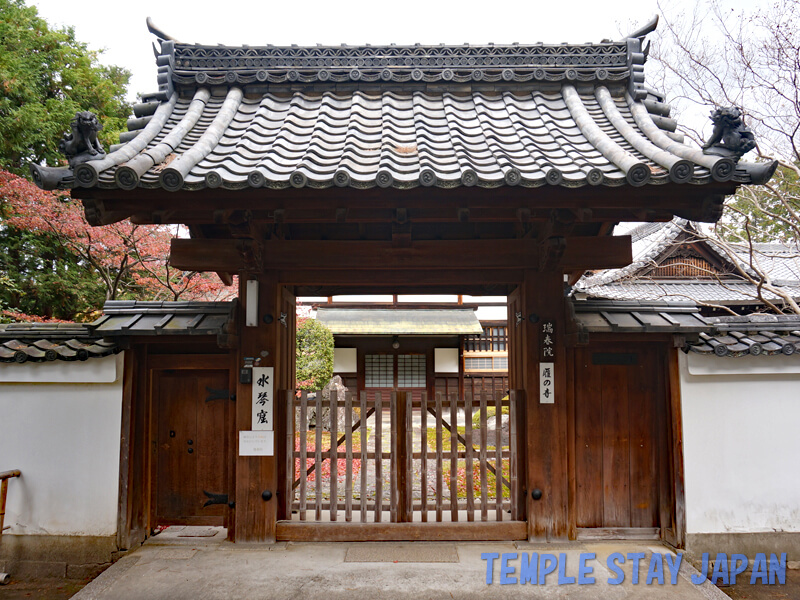
Zuisyunin temple (Kyoto)
It is a sub-temple of Shokokuji Temple, located on the west side of the temple grounds. The author Tsutomu Mizukami trained there from the age of 9 to 13, and it is known that he wrote the novel "The Temple of the Wild Geese" based on that experience. -
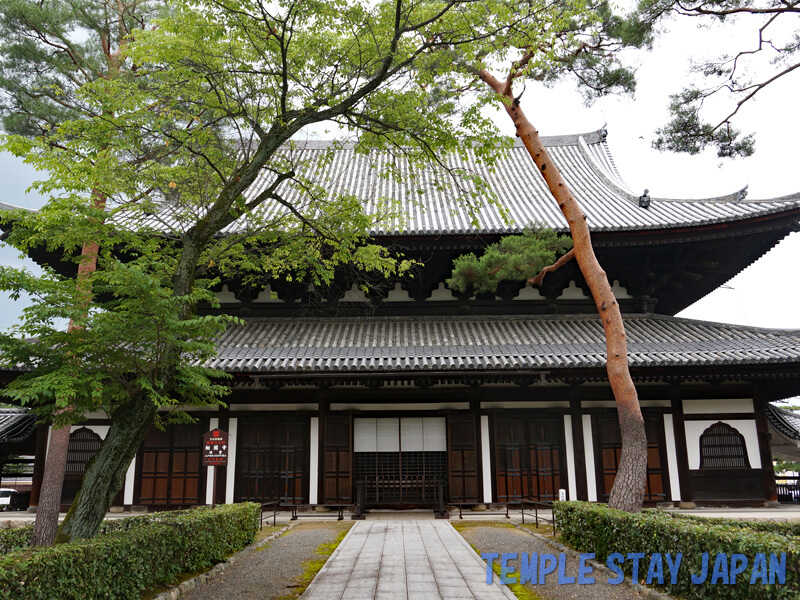
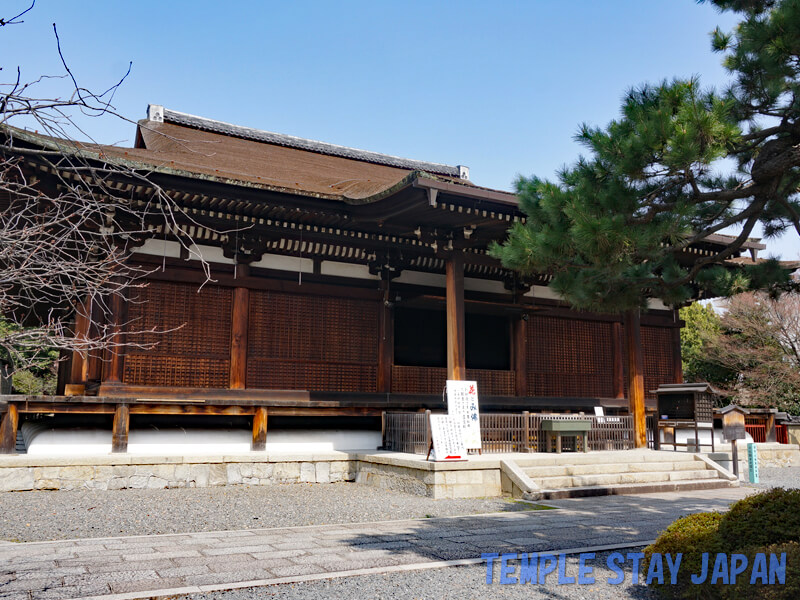
Shokokuji temple (Kyoto) : The oldest Dharma Hall architecture
Shokokuji Temple was founded at the end of the 14th century by Ashikaga Yoshimitsu, the third shogun of the Muromachi shogunate. This is the head temple of the Shokokuji branch of the Rinzai school of Zen Buddhism. The Dharma hall, built in 1605, is the oldest example of a Dharma hall architecture in Japan. -
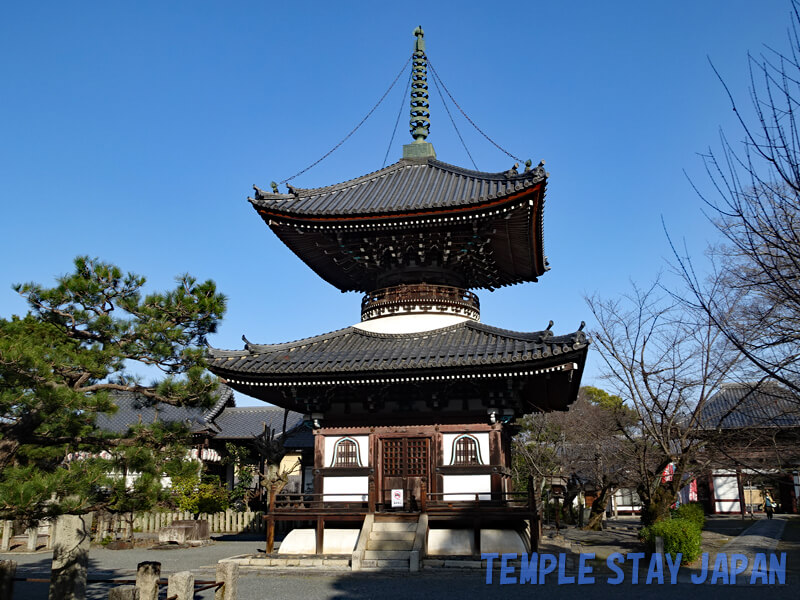
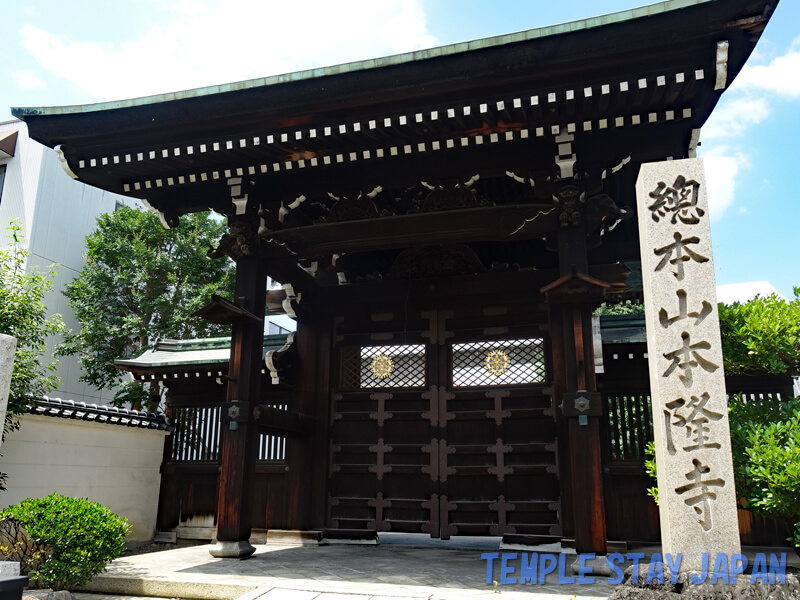
Honpoji temple (Kyoto) : History , Highlights , Access
It is one of the eight main temples of the Nichiren sect in Kyoto. Many of the buildings, including the main hall, the founder's hall, and the pagoda, are designated as tangible cultural properties of Kyoto Prefecture. The garden created by Honami Koetsu and the Nirvana painting by Hasegawa Tohaku are also famous. -
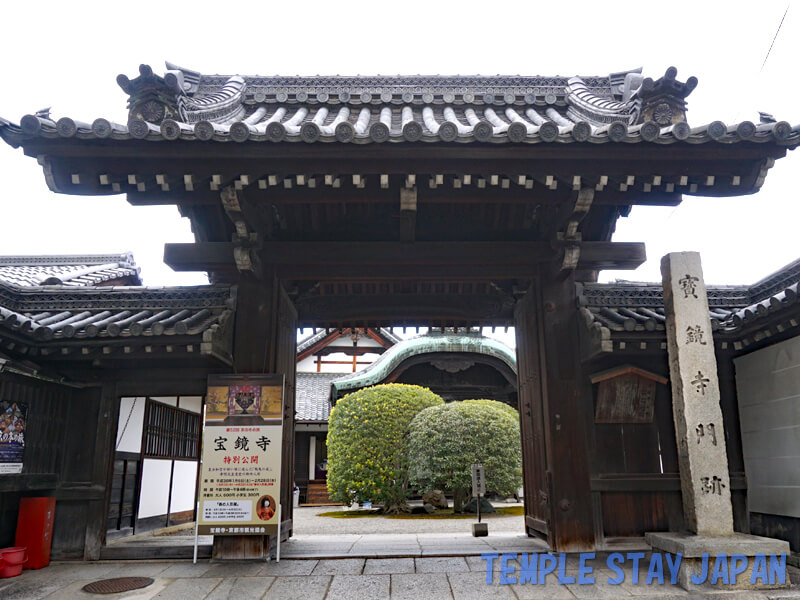
Hokyoji temple (Kyoto) : Nunnery associated with the Imperial family
Hokyoji Temple is a nunnery with ties to the Imperial family, where the head priest has traditionally been a princess. Because the Emperor presented dolls to the temple seasonally, this temple houses a large collection of dolls. These are open to the public every spring and autumn. -
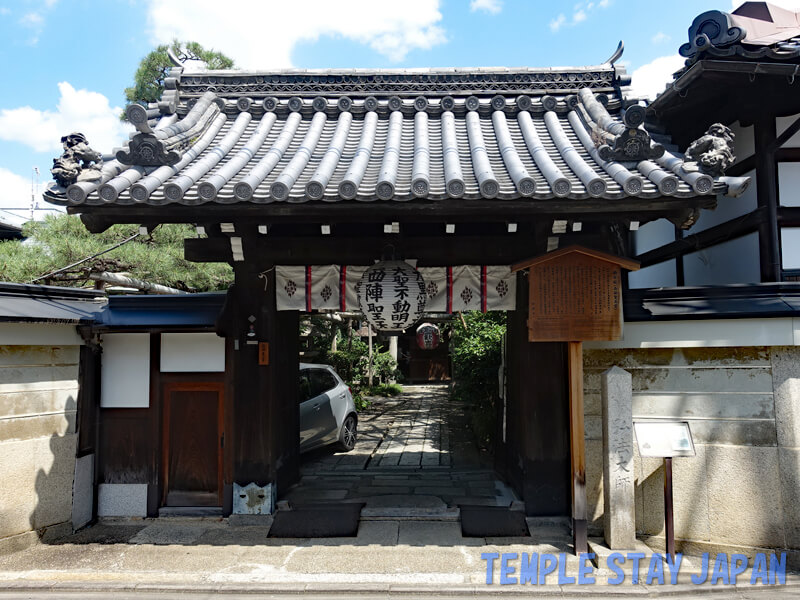
Honryuji temple (Kyoto)
Honryuji Temple is the head temple of the Shinmon-ryu branch of the Hokke sect. It was founded in 1488. The main hall and the founder's hall are designated as important cultural properties. Having survived numerous fires, it is known as the "Temple That Never Burned." -
Uhoin temple (Kyoto) : Kangiten (Nandikesvara) of Nishijin
This temple originated in 821 when Kobo Daishi enshrined a statue of Kangiten (Nandikesvara) to pray for the recovery of Emperor Saga from illness. A statue of the Thousand-Armed Kannon (Sahasrabhuja), designated as an Important Cultural Property, is enshrined here. -
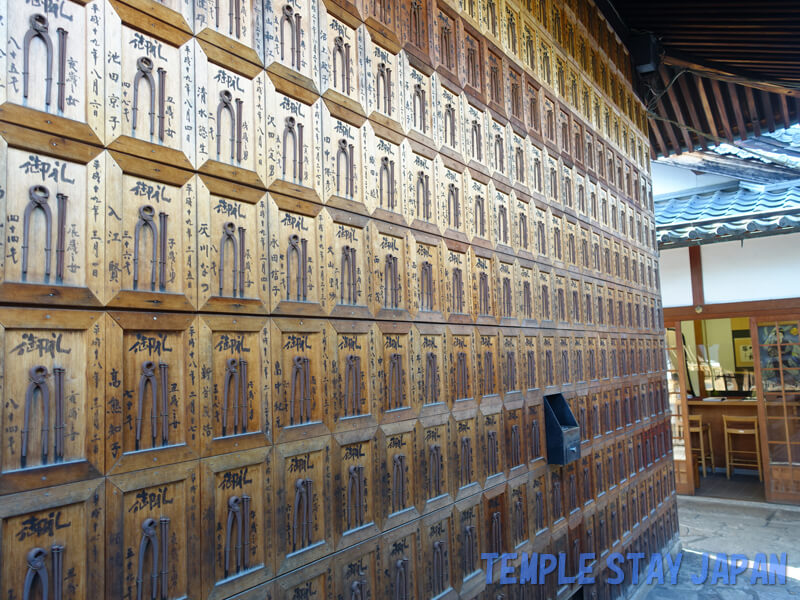
Kuginuki-Jizo temple (Kyoto) : Ksitigarbha will relieve your suffering
This temple is said to have been founded in 819 by Kobo Daishi, who spread esoteric Buddhism in Japan. Its official name is Syakuzoji, but it is affectionately known as Kuginuki-Jizo (Nail-Removing Jizo). Many people visit this temple hoping that it will relieve their pain and suffering. -
Senbon-Syakado temple (Kyoto) : Kyoto City’s oldest main hall
Senbon-Shakado Temple was founded in 1220. Its official name is Daihoonji. The main hall is the oldest building in Kyoto City and is designated as a National Treasure. At the Treasure Hall, you can see Buddhist statues carved by Kaikei, one of Japan's most famous Buddhist sculptors. -
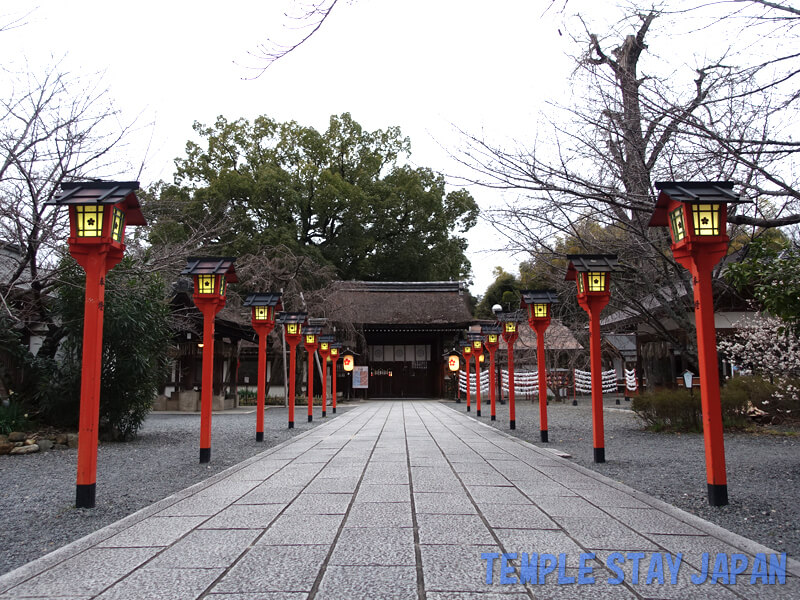
Hirano shrine (Kyoto) : Famous cherry blossom viewing spot
Hirano-jinja Shrine was built within the Heijo Palace in 782, and was moved to this location in 794 when the capital was relocated to Kyoto. The main shrine has a unique structure, connecting two shrine buildings, and is designated as an Important Cultural Property.