Kyoto? category ?
-

Josyokoji temple (Kyoto) : Cherry blossoms and autumn leaves
Founded in 1362, this temple is associated with the Imperial Family and enjoyed the devotion of successive emperors. There are several notable cherry trees that bloom beautifully in the spring. The garden, which incorporates the surrounding mountains into its scenery, is also known as a famous spot for autumn foliage. -
Tsukinowa-dera temple (Kyoto) : Pay attention to the time when visiting
This temple, founded in 704, is located on the mountainside of Mount Atago. The walk from the Kiyotaki bus stop to the temple is a mountain path that takes over 90 minutes. For this reason, visits are only possible between 9:00 a.m. and 2:00 p.m. It is also closed during rainy weather and the winter season. -
Jingoji temple (Kyoto) : A renowned temple on Mount Takao
It is a temple situated halfway up Mount Takao. Kukai, one of Japan's most famous monks, served as the head priest here for 14 years starting in 809. It houses numerous temple treasures, including a National Treasure statue of Yakushi Nyorai. The experience of throwing unglazed earthenware plates is popular. -
Saimyoji temple (Kyoto) : A mountain temple rich in nature
This temple was founded during the Tencho era (824-834). The current main hall was built in 1700 through a donation from Keishoin, the mother of the fifth Tokugawa shogun, Tsunayoshi. This mountain temple is set in a lush natural environment and displays its beauty with the changing seasons. -
Kosanji temple (Kyoto) : The famous Choju-giga
This temple was founded in 774. The temple houses a collection of treasures that includes eight National Treasures and over 10,000 Important Cultural Properties. Choju-giga (Scrolls of Frolicking Animals), which comically depicts the antics of anthropomorphized rabbits, monkeys, frogs, and other animals, is popular. -
Daikakuji temple (Kyoto) : History , Highlights , Access
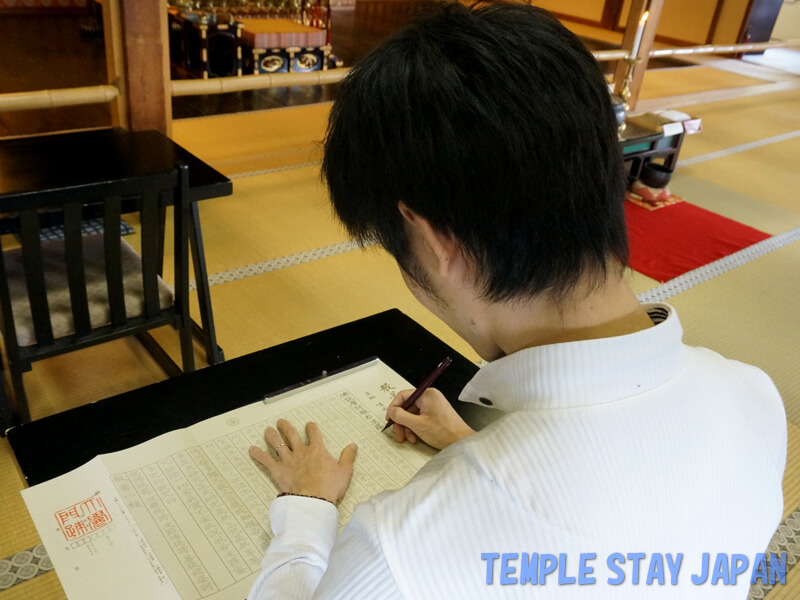
It was originally built as an imperial villa for Emperor Saga over 1,200 years ago and became a temple in 876. This temple is the head temple of the Daikakuji school of the Shingon sect. It houses a copy of the Heart Sutra handwritten by Emperor Saga and is also known as a center for the practice of sutra copying. -
Umenomiya-Taisya shrine (Kyoto) : Blessings of Sake Brewing
This shrine was established around the year 750. It is revered for blessings related to sake brewing, as well as for conceiving children and safe childbirth. A variety of flowers bloom in the garden within the shrine grounds throughout the seasons. -
Matsunoo-Taisya shrine (Kyoto) : Blessings of Sake Brewing
It is a shrine that was established in 701. There is a spring on the shrine grounds, and it is said that sake brewed with this water does not spoil. For this reason, sake brewers have long held it in reverence. The main hall is designated as an Important Cultural Property. -
Suzumushidera temple (Kyoto) : The Bell Cricket Temple
This temple relocated to its current site in 1723. Its official name is Kegonji, but it is affectionately known as Suzumushi-dera. "Suzumushi" is a bell cricket. It came to be called this because 50,000 bell crickets are raised there, allowing their chirping to be heard all year round. -
Jojuji temple (Kyoto) : Chinese style architecture
Buildings such as the Main Hall and the Founder's Hall, which reflect the style of Chinese Buddhist architecture, stand here. The interior of the main hall is normally closed to the public, but it can be viewed during special opening periods. The autumn foliage is also spectacular.