Kyoto City? category ?
-

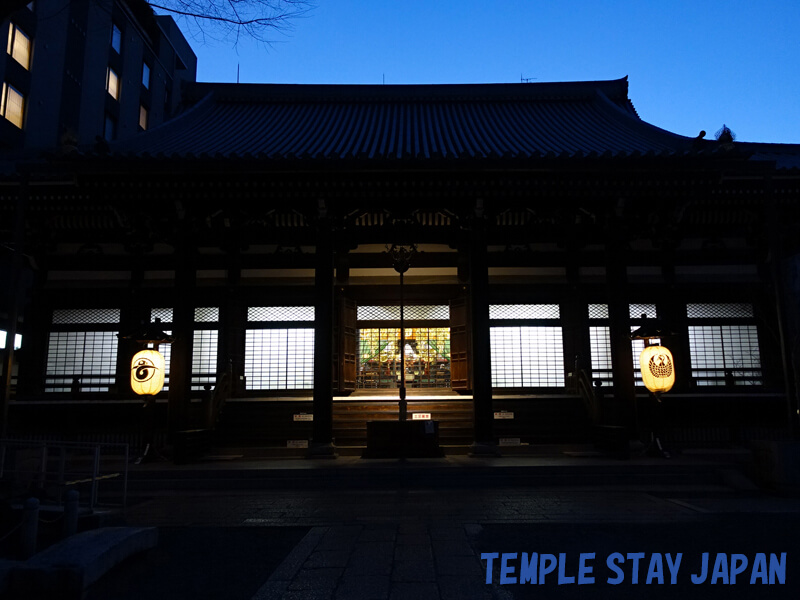
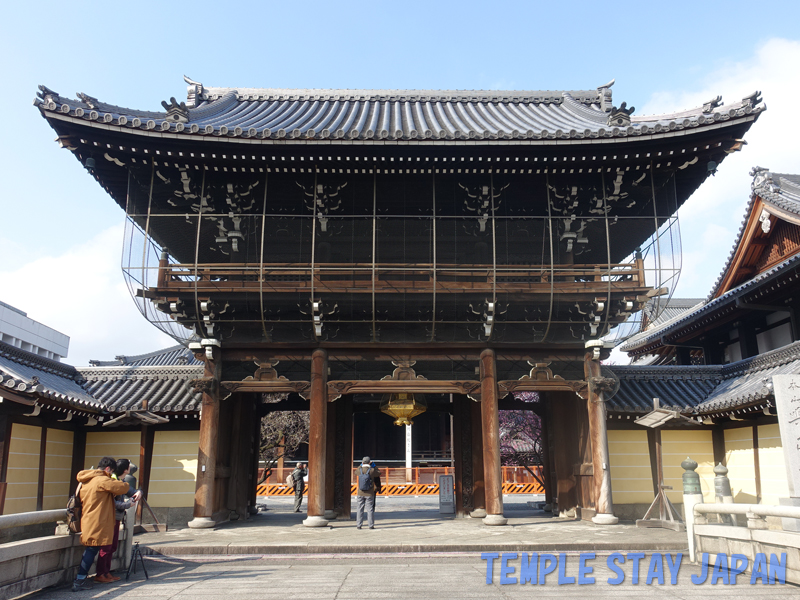
Honnoji temple (Kyoto) : Morning service
Honnoji Temple was founded in 1415. It is the head temple of the Hokke Honmon school of Buddhism. Morning services are held at Honnoji Temple every day from 6am, and anyone is welcome to attend. The sound of the drums was very powerful and electrifying. -
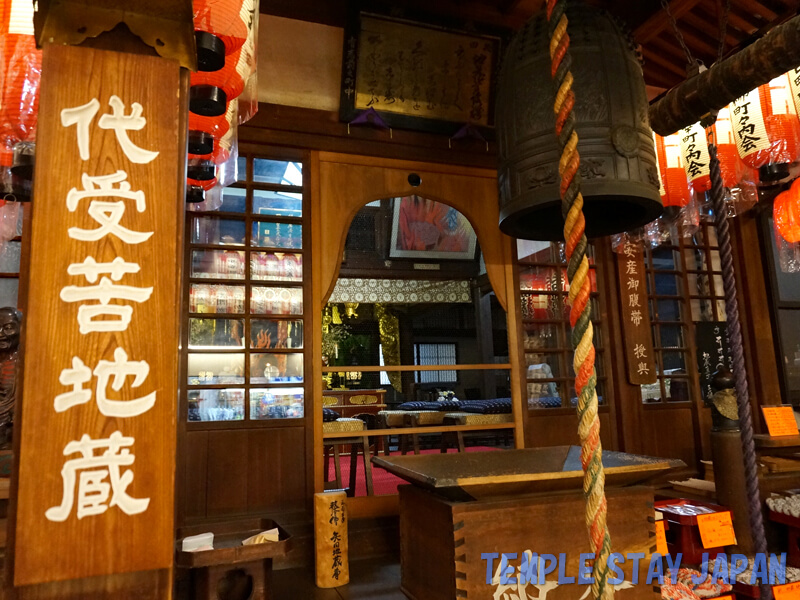
Yatadera temple (Kyoto) : Saves you from suffering
The monk Mankei, who founded Yatadera temple, saw Ksitigarbha saving the suffering souls of the dead in hell. It is said that the principal image of Ksitigarbha was carved based on that image. For this reason, it is believed that this temple will take on people's suffering and protect them from evil. -
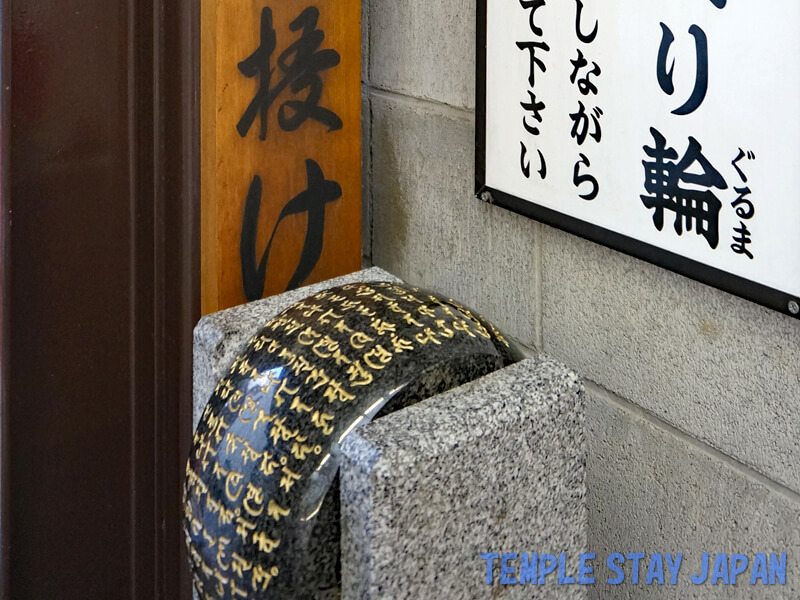
Seishinin temple (Kyoto) : The Grave of Izumi Shikibu
This temple was headed by Izumi Shikibu, a female poet who was active from the late 10th century to the early 11th century. She is known for her passionate love poems. If you turn the Prayer wheel at the entrance to the temple, you will be granted success in love. -
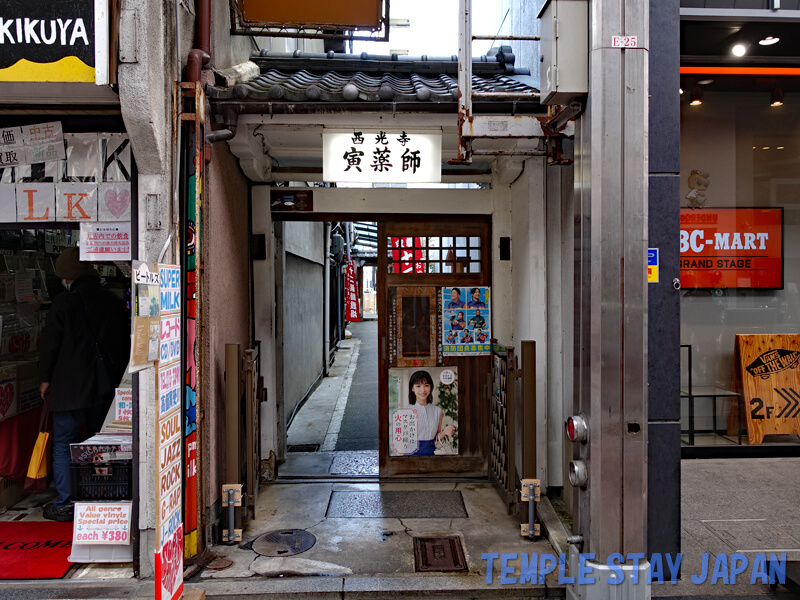
Saikoji temple (Kyoto) : Tiger Medicine Buddha hall
Saikoji Temple was founded in 1279. A statue of Bhaisajyaguru (Medicine Buddha), said to have been carved by Kobo Daishi, is enshrined here. Because it was completed on the day and hour of the Tiger, it came to be called Tora Yakushi (Tiger Medicine Buddha). -
Eifukuji temple (Kyoto) : Octopus Medicine Buddha hall
Eifukuji Temple enshrines Bhaisajyaguru (Medicine Buddha) as its principal image. There is a story at this temple about a monk who bought octopus for his sick mother, but was questioned as to whether a monk should eat it. The octopus then turned into a sutra scroll and cured his mother of her illness. -
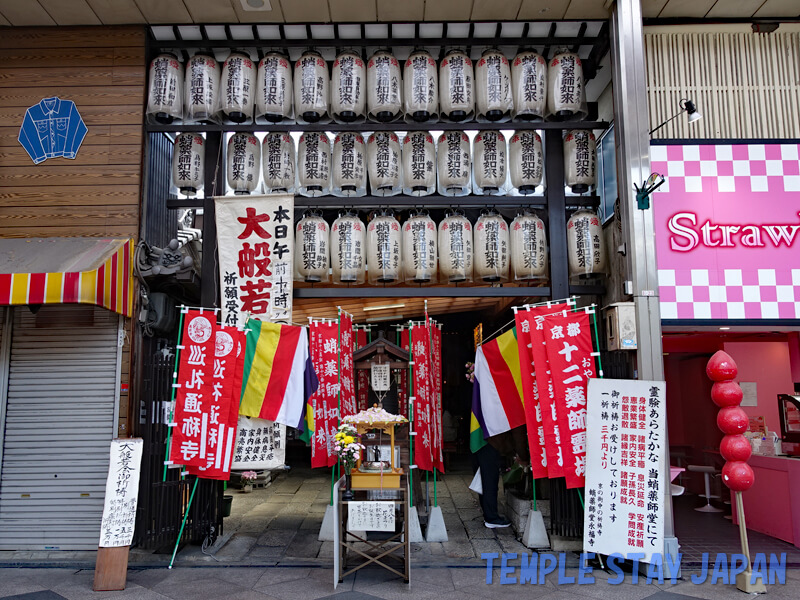
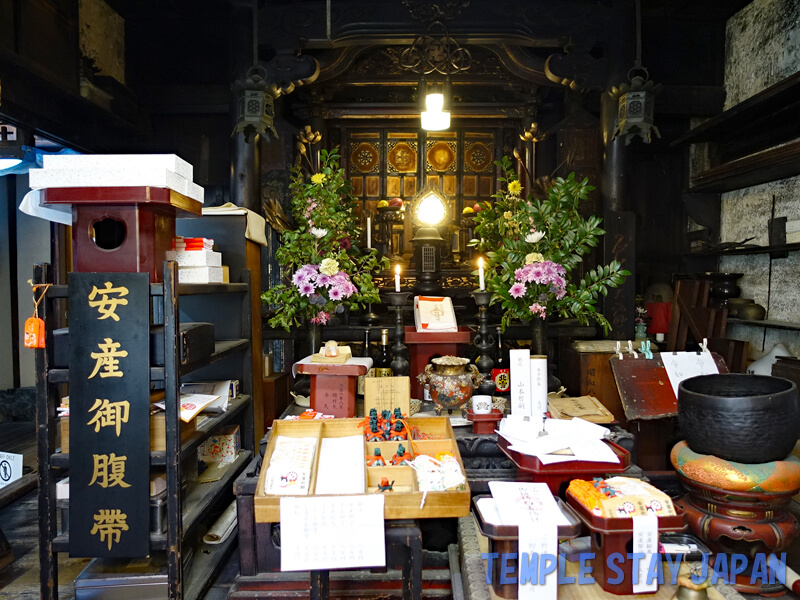
Somedonoin temple (Kyoto) : Prayer for a Safe Delivery
Somedonoin Temple was founded in 808 by Kukai, one of the most famous monks in Japanese history. The Empress of Emperor Montoku prayed to this temple and became pregnant, so it is said to grant safe childbirth. It is located at the southern end of Shinkyogoku Shopping Street. -
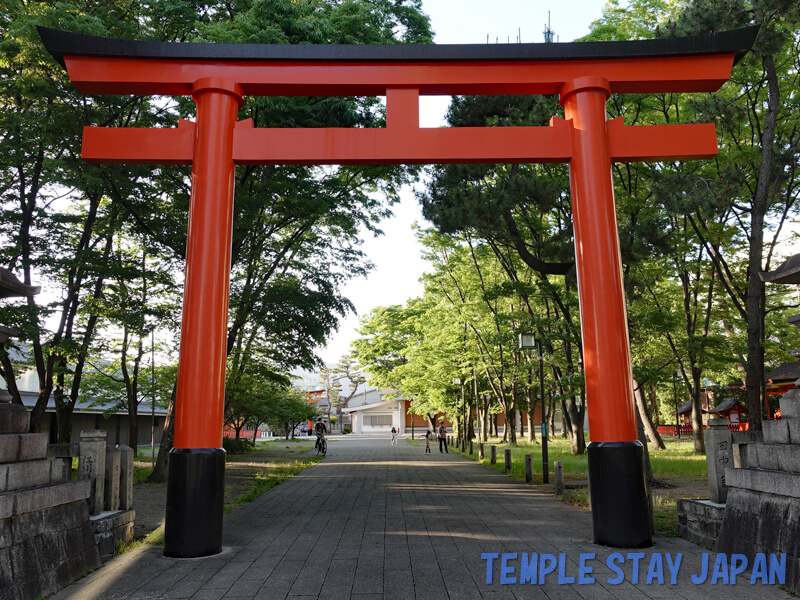
Fushimi-inari-taisya-otabisyo shrine (Kyoto) : Near Kyoto Station
This shrine is the temporary shrine of Fushimi Inari Shrine, famous for its thousand vermilion torii gates. There are four small shrine buildings lined up within the grounds. It is usually quiet, but becomes lively during the festivals in April and May. -
Koshoji temple (Kyoto) : head temple of the Shinshu Koshoha sect
This temple is located next to Nishi-Honganji Temple and is the head temple of the Shinshu Koshoha sect. Like Higashi-Honganji and Nishi-Honganji, the Goeido Hall and Amida Hall are built side by side within the temple grounds. -
Taizoin temple (Kyoto) : Japanese garden and Zen editation
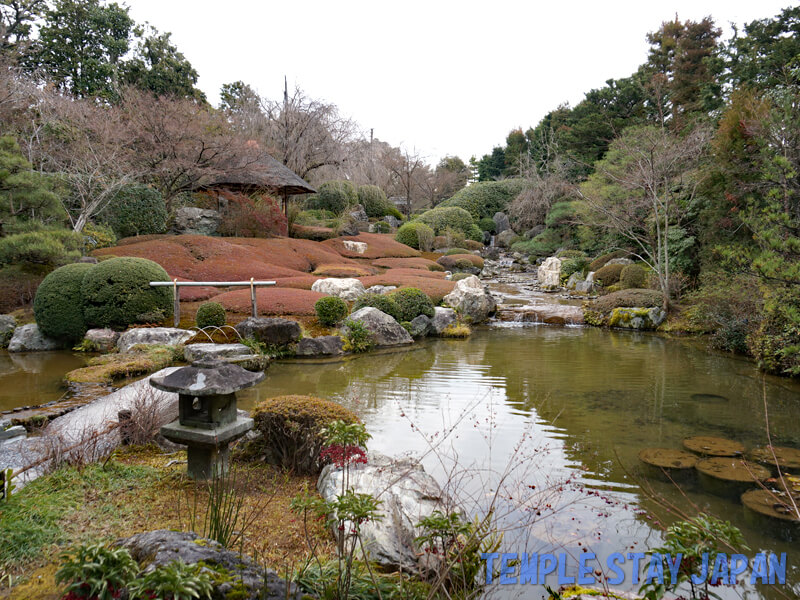
Taizoin is a sub-temple of Myoshinji Temple that was built in 1404. After paying the admission fee and entering the temple grounds, you will find the main hall, an important cultural property. If you go further, you will come across a dry landscape garden and a strolling pond garden. -
Kenninji temple (Kyoto) : Zazen in front of a dry landscape garden
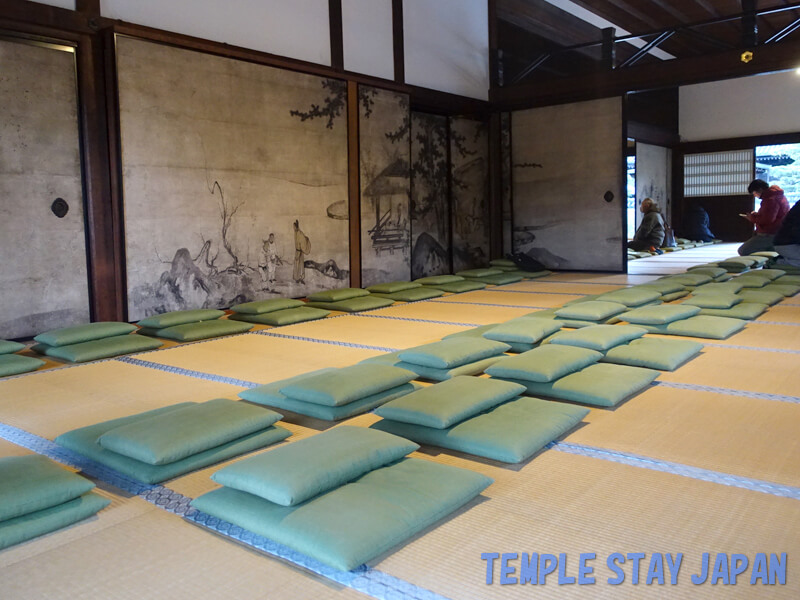
Kenninji Temple was founded in 1202 and is the oldest Zen temple in Kyoto. At Kenninji Temple, a Zazen (Zen meditation) session is held every second Sunday of the month from 7:30 am. No reservation is required, just arrive on time to participate. I decided to do zazen next to the dry landscape garden.