Kansai? Temple stay ?
-

Torinin temple stay (Kyoto)
Torinin is a temple built in 1531 within the grounds of Myoshinji Temple. The head priest is famous for his buddhist vegetarian cuisine and has written many books on it. The dinner menu consisted of rice, clear soup, chrysanthemum with white sesame sauce, stewed carrots and burdock, steamed radish, and pickles. -
Myokenji temple stay (Kyoto)
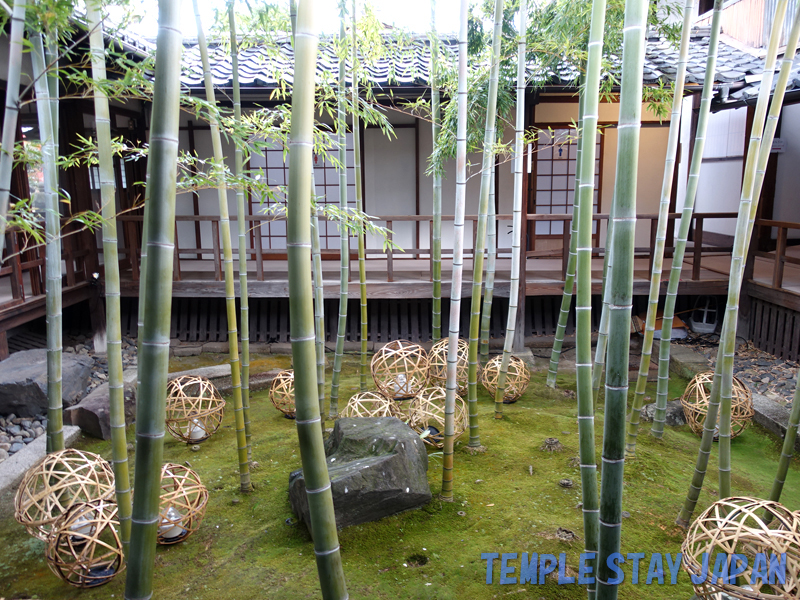
Myokenji Temple was built in 1321. It is one of the eight Nichiren sect big temples in Kyoto. Accommodation is limited to women only. Upon entering the shukubo, there was a beautiful bamboo garden. The next morning, I attended the service held in the main hall. -
Waqoo-Miidera temple stay (Shiga)
Mii-dera is an ancient temple with a history of over 1,300 years and is the head temple of the Tendaijimon sect. When I entered through the entrance, I found myself in a luxurious space. Although the lodging fees are high, the experience is truly fulfilling. -
Shinseiin temple stay (Shiga)
The room we stayed in was about 10 tatami mats in size. There was a TV and a fan. Yukata robes were provided. The dinner menu consisted of rice, clear soup, cutlet sashimi, boiled fish, konjac, etc. It's extremely quiet at night. When I looked up at the sky, the stars looked very beautiful. -
Myokakuin temple stay (Shiga)
Myokakuin is a temple located along the approach to Chomeiji Temple, which was founded around the 9th century. Only one group per day can stay. It was a wonderful view with Lake Biwa right in front of us. -
Saikyoji temple stay (Shiga)
Saikyoji Temple is the head temple of the Tendai Shinsei sect. It is said to have been founded by Prince Shotoku (574-622), who spread Buddhism in Japan. There is a youth hostel on the grounds. You can attend morning services and experience zazen and copying sutras. -
Fugenin temple stay (Wakayama)
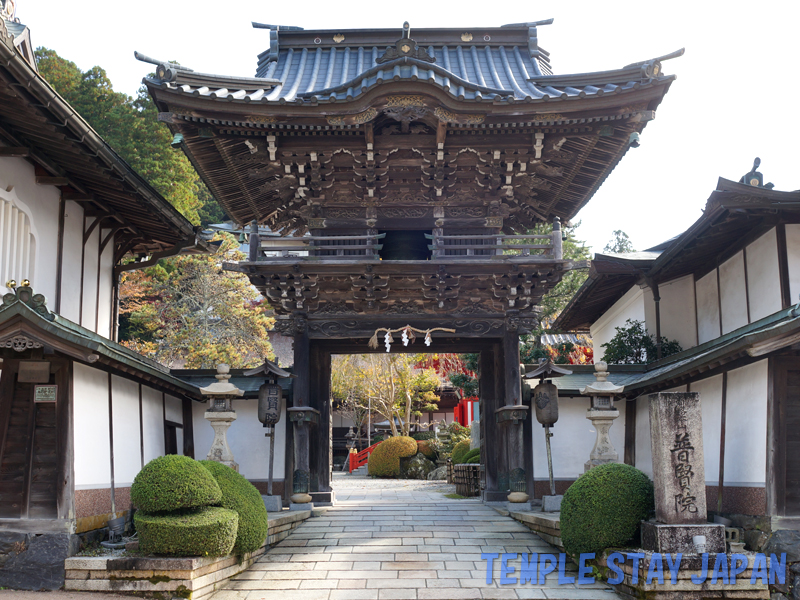
They serve authentic shojin vegetarian foods consisting mainly of mountain foods, including sesame tofu, a specialty of Mount Koya. If you make a reservation, you can eat a special plate. Also, the beautiful vermilion-lacquered Fugenin Shikyakumon in the Shikyaku-hirakaramon style is an important cultural asset. -
Seigantoji Sonsyoin temple stay (Wakayama)
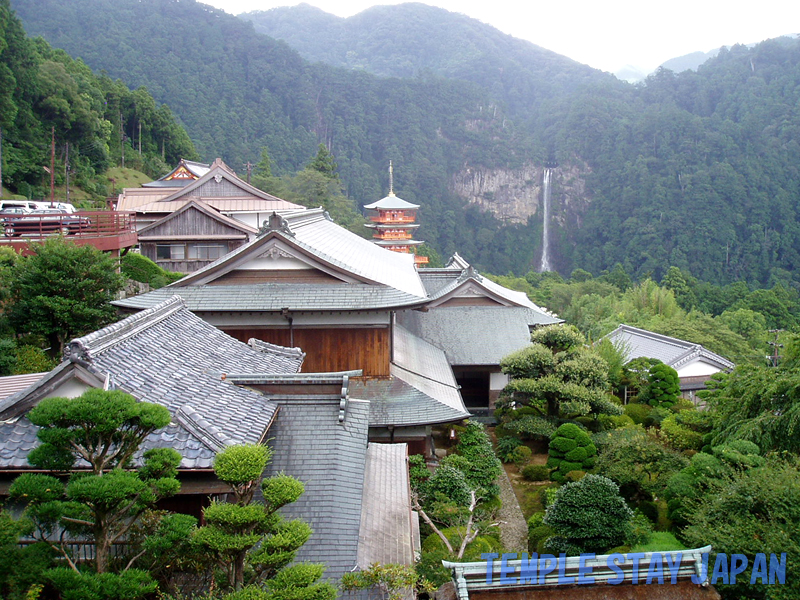
This is a grand ascetic training Mecca around the Nachi-no-Taki waterfall, with a drop of 133 meters. As a sacred place lasting more than 1,600 years, this temple is registered as a UNESCO World Heritage Site. The room I stayed in was a 6-tatami mat Japanese style room with a TV set, an electric fan and a yukata robe. -
KumanoHonguTaisya Zuihoden shrine stay (Wakayama)
This is a shrine registered as a UNESCO World Heritage Site as the center of Kumano worship lasting from the Heian period (794 to 1185). Zuihoden, the shukubo, is located beneath the stone stairs leading up to the main sanctuary of the Kumano-hongu Taisha. -
Ohmijingu OhmiKangakukan shrine stay (Shiga)
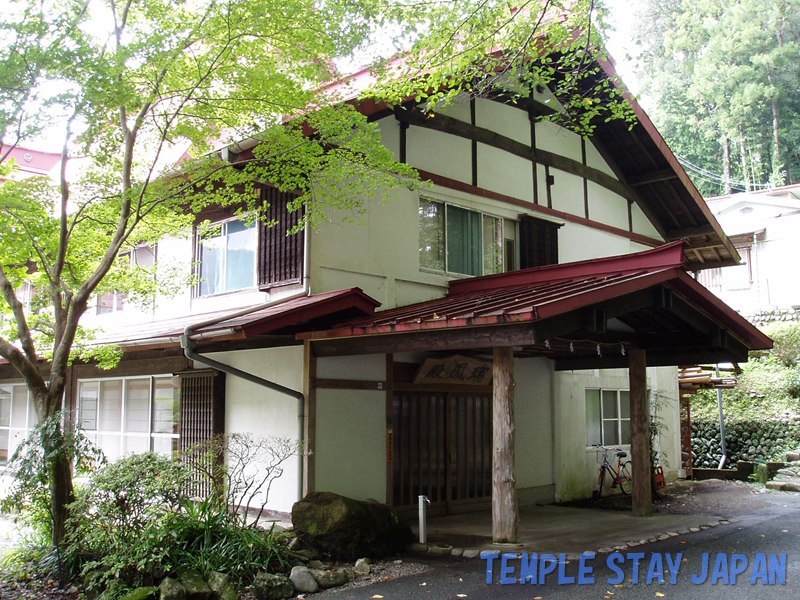
This is an accommodation facility located in the forest in the precinct of Ohmijingu shrine. As the first shrine with a clock in Japan. This shukubo does not offer religious experiences for guests, but you can freely participate in the various festivals and religious events.