Kyoto City? category ?
-

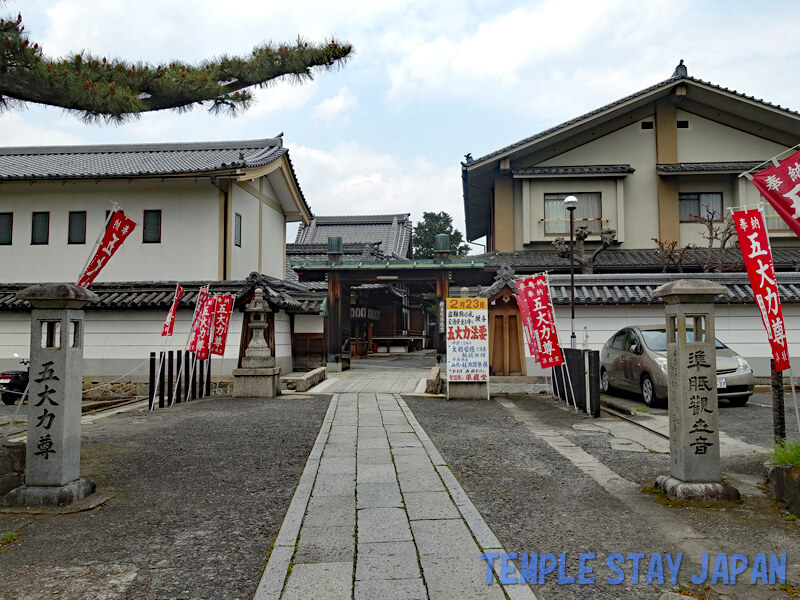
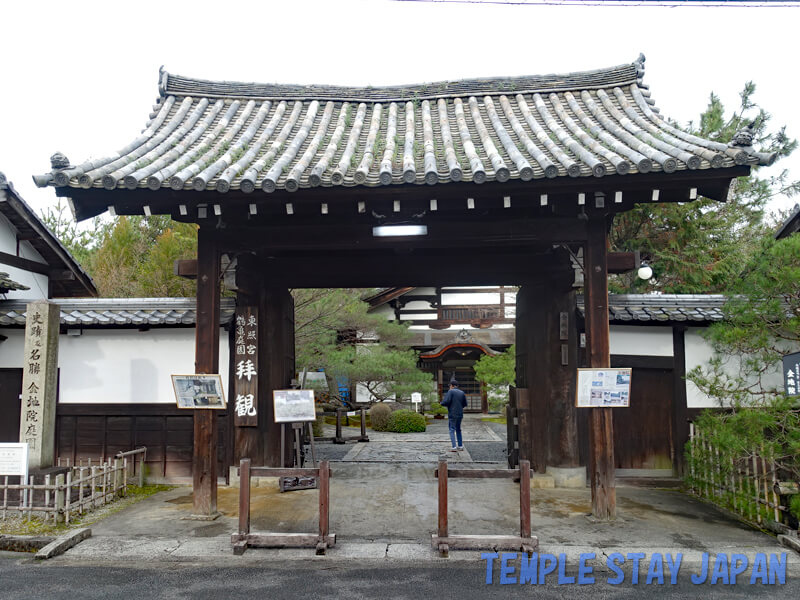
Shakuzenin-Junteido temple (Kyoto)
Shakuzenin Temple was founded around the Kamakura period (1185-1333). In 1880, it merged with the nearby Junteido temple and became known as Shakuzenin-zyunteido. The memorial service held every year on February 23rd is believed to offer protection against theft and bring prosperity to the family. -
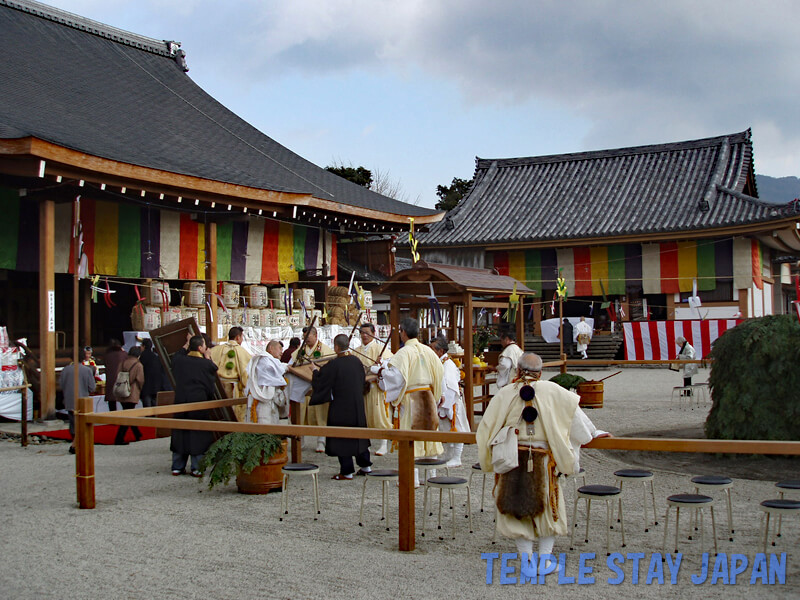
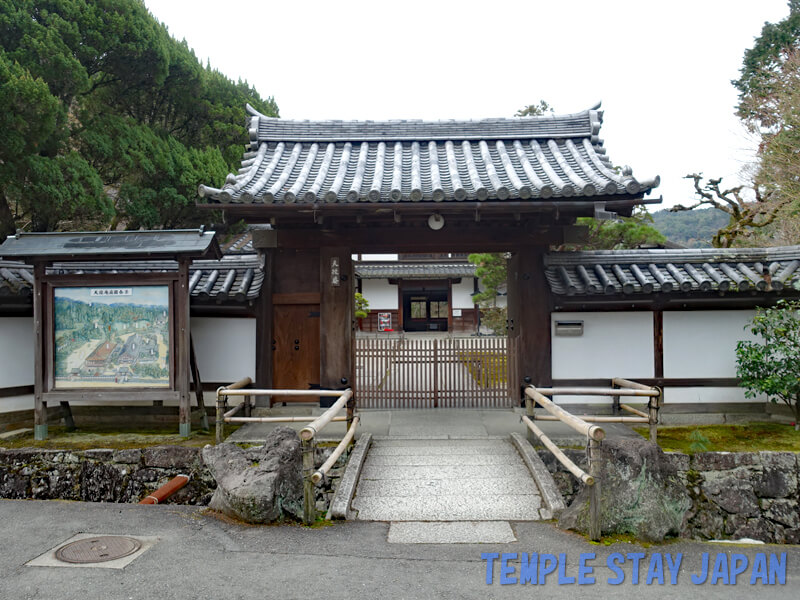
Shogoin-Monzeki temple (Kyoto) : photos and reviews
Shogoin-Monzeki was founded in 1090 and is the head temple of the Honzan Shugendo sect. This temple preserves Shugendo, a syncretic religion that blends mountain religion and Buddhism. It is also a prestigious temple with strong ties to the Imperial family. -
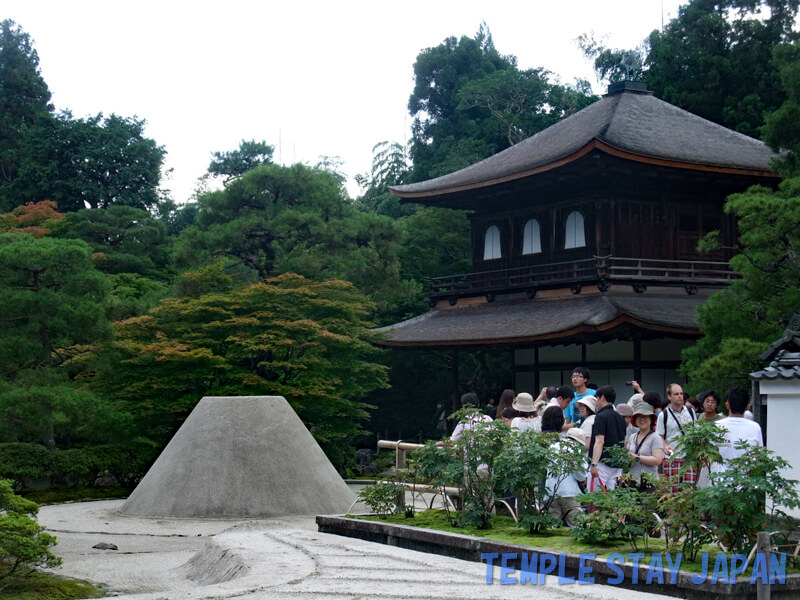
Ginkakuji temple (Kyoto) : Silver Pavilion
Originally a residence built in 1482 by Ashikaga Yoshimasa, the eighth shogun of the Muromachi shogunate, it became a temple after his death. The Silver Pavilion located within the temple grounds is designated as a National Treasure. The mound of sand built nearby is called the "Moon-Facing Platform." -
Honenin temple (Kyoto)
This temple is associated with Honen Shonin, the founder of the Jodo sect of Buddhism. The temple fell into disrepair after Honen Shonin was exiled, but it was restored in 1680. The interior of the hall is open to the public every year from April 1st to 7th and from November 1st to 7th. -
Anrakuji temple (Kyoto)
This temple is known as the temple where Princess Matsumushi and Princess Suzumushi, who served Emperor Go-Toba, became nuns. It is usually closed to the public, but is open during special events in spring and autumn. There is a beautiful garden on the temple grounds. -
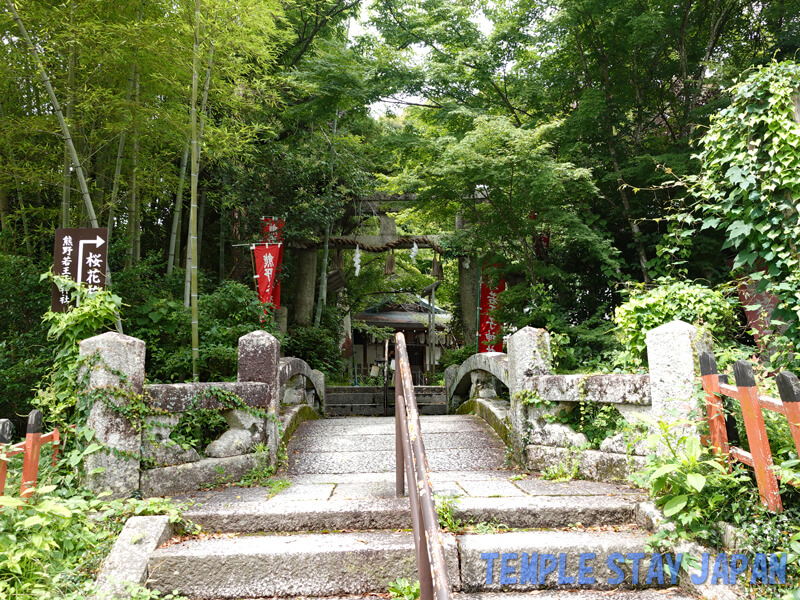
Kumano-Nyakuoji shrine (Kyoto) : photos and reviews
This shrine was founded in 1160 when Emperor Go-Shirakawa invited the deities from Kumano (Wakayama Prefecture) to be enshrined here. There is a record that Ashikaga Yoshimasa held a cherry blossom viewing party in 1465. It was devastated during the Onin War (1467-1477), but was rebuilt by Toyotomi Hideyoshi. -
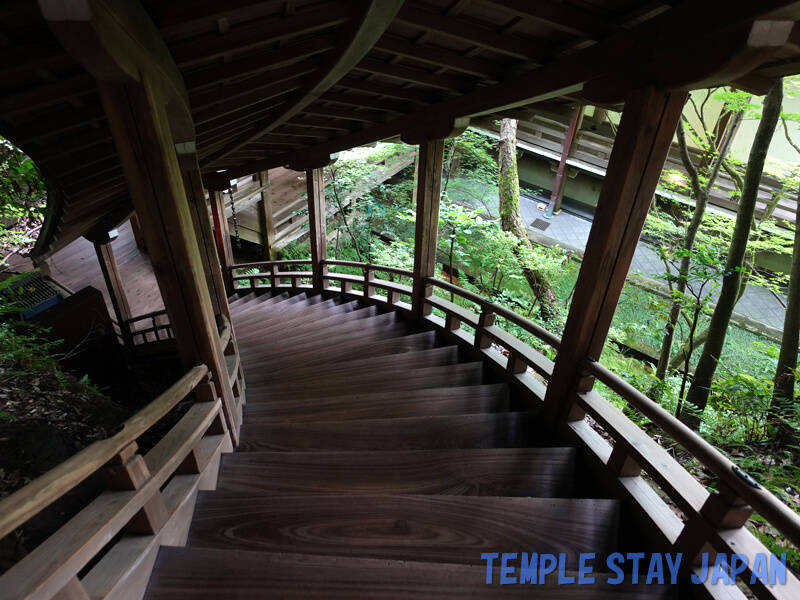
Eikando temple (Kyoto) : A dynamically twisted corridor
This temple was founded in 853. The principal image, a statue of Amida Buddha (Amitabha), is depicted in an unusual pose, looking back. Eikando Temple is famous for its dramatically twisting corridors. The wooden, covered staircase is a testament to the advanced architectural techniques of the time. -
Nanzenji Konchiin temple (Kyoto)
Konchiin is a sub-temple of Nanzenji, founded around 1400, and moved to its current location in 1605. The garden created by Kobori Enshu in 1632 is famous. Because it has islands shaped like cranes and turtles, it is called the Crane and Turtle Garden. In Japan, these two animals are considered auspicious. -
Nanzenji Tenjyuan temple (Kyoto)
It is a sub-temple of Nanzenji Temple, founded in 1339. It is located just south of the massive Sanmon gate of Nanzenji Temple. The two main attractions are the pond garden and the dry landscape garden. It is especially popular during the autumn foliage season. -
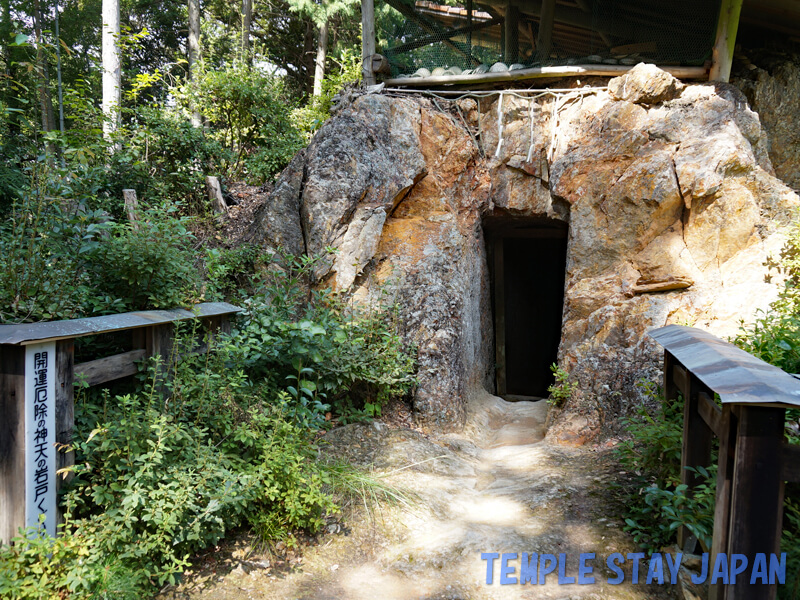
Himukai-daijingu shrine (Kyoto) : photos and reviews
The deities are enshrined in the same style as those at Ise Grand Shrine, the most prestigious shrine in Japan. As you climb the stairs leading up to the shrine, you will find the Geku (Outer) Shrine and the Naiku (Inner) Shrine. Further along, you'll find a cave called Ama-no-Iwato, which you can pass through.