Nishiki Market is a famous tourist destination in Kyoto, lined with numerous restaurants and souvenir shops. In the surrounding area, there is a concentration of temples and shrines well worth visiting, such as Nishiki Tenmangu, Seiganji, Rokkaku-do, Bukkoji, and Inaba-do.
After enjoying some food and shopping at Nishiki Market, I also recommend visiting these spots.
Walking Map
Highlights
Nishiki Market
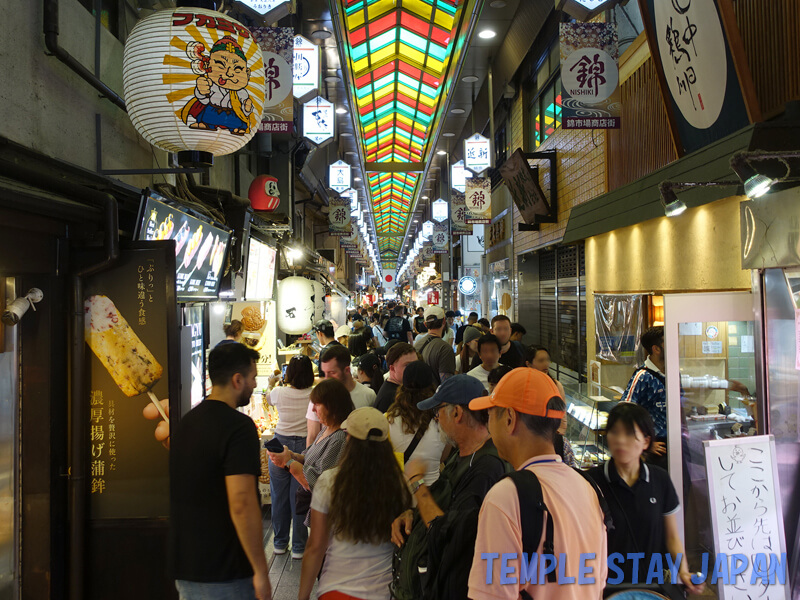
This is one of Kyoto’s leading shopping streets, boasting a 400-year history. Lined with around 130 shops, the area offers a variety of must – try Japanese delicacies – such as sushi, sukiyaki, rolled omelets (dashimaki tamago), and even pickles and sweets.
It is particularly popular because you can enjoy a variety of flavors all at once, with each dish served individually.
Nishiki Tenmangu Shrine
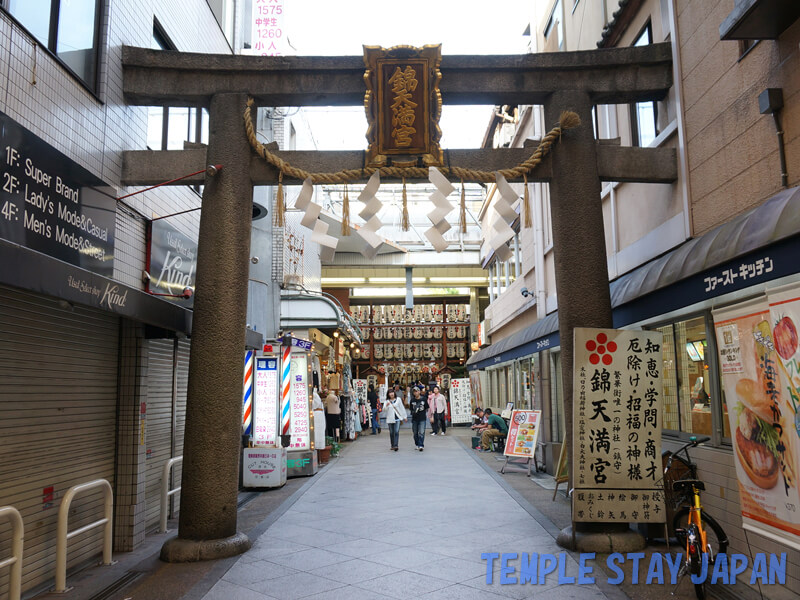
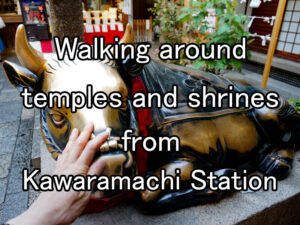
Nishiki Tenmangu Shrine is located on the east side of Nishiki Market. This shrine is known for its benefits in granting success in exams, and visitors pray while stroking the cattle.
more information
Nishiki-tenmangu shrine (Kyoto) : Near Nishiki Market
Nishiki Tenmangu Shrine is located in the shopping district. This shrine is known for its benefits in granting success in exams, and visitors pray while stroking the cattle. Within the temple grounds, Nishiki no Mizu, known as Kyoto’s finest spring water, springs forth.
Seiganji Temple
Seiganji Temple is located a short walk north from Nishiki Tenmangu Shrine. This temple has long been revered as a place of salvation for women.
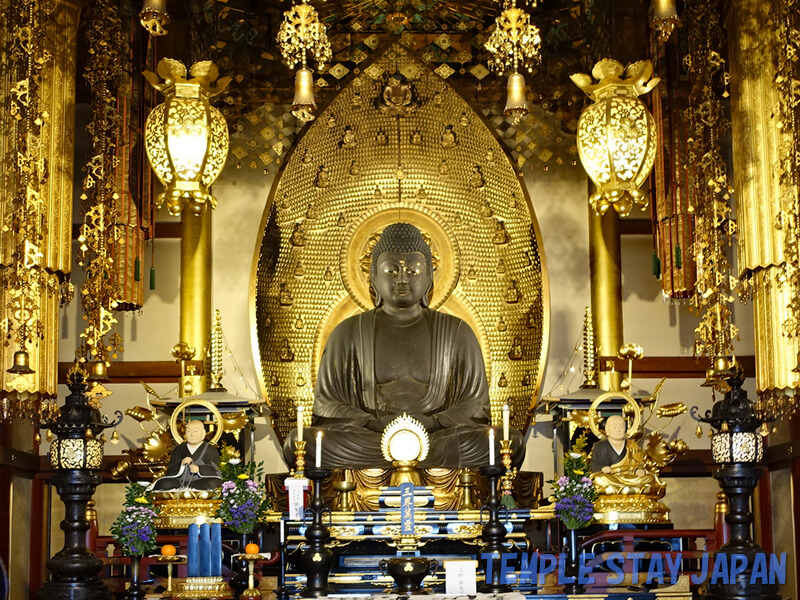
You can freely enter the main hall. The principal image of the temple is the Amitabha, a gigantic Buddha statue measuring approximately 6.5 meters (21.3 ft).
more information
Seiganji temple (Kyoto) : The Great Buddha near Nishiki Market
Seiganji Temple is located within the Shinkyogoku Shopping Arcade. As soon as I passed through the gate, the main hall was right in front of me, and I was free to enter it. The principal image of the temple is the Amitabha, a gigantic Buddha statue measuring approximately 6.5 meters (21.3 ft).
Temples on Shinkyogoku Street
There are many temples along Shinkyogoku street, the street in front of Nishiki Tenmangu Shrine and Seiganji Temple.
Please see the link below for details.
more information
Walking around temples and shrines from Kyoto-Kawaramachi Station
The area around Kyoto Kawaramachi Station is one of the busiest areas in Kyoto City. Originally, it was an area where many temples gathered, and it became a bustling place that developed with the number of worshippers. Even today, there are many temples and shrines that can be enjoyed along with shopping.
Rokkakudo temple
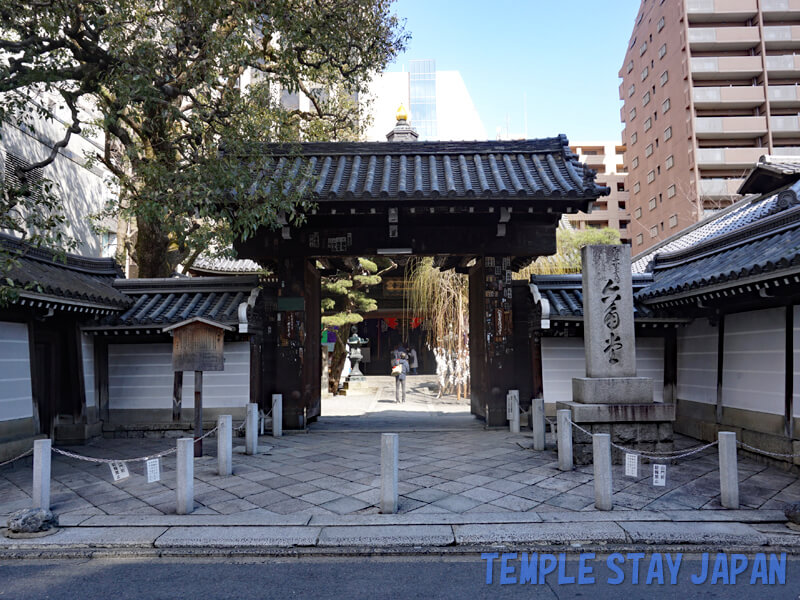
Rokkakudo Temple was founded in 587 by Prince Shotoku, who spread Buddhism throughout Japan.
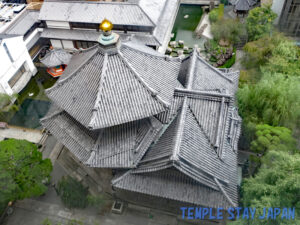
In Japanese, “Rokkaku” refers to a hexagonal shape. Its official name is Chohoji, but it is known by this name because the shape of its main hall is hexagonal.
more information
Rokkakudo temple (Kyoto) : Hexagonal hall
Rokkakudo Temple was founded in 587 by Prince Shotoku, who spread Buddhism throughout Japan. In Japanese, “Rokkaku” refers to a hexagonal shape. Its official name is Chohoji, but it is known by this name because the shape of its main hall is hexagonal.
Miterai well
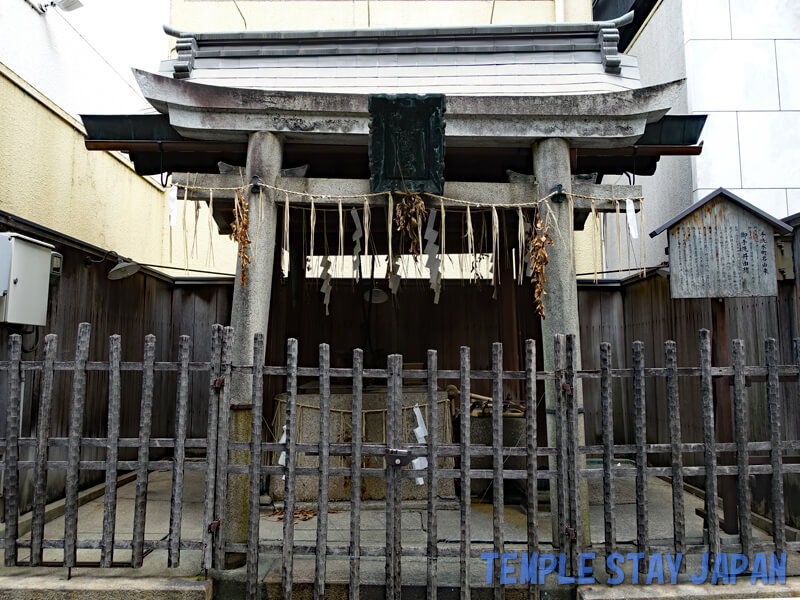
This is a well located at the site where the Otabisho (temporary resting place for the deity during a festival) of Yasaka Shrine once stood. A small shrine stands quietly between the buildings.
It is usually closed, but it is open from July 15 to July 24 during the Gion Festival.
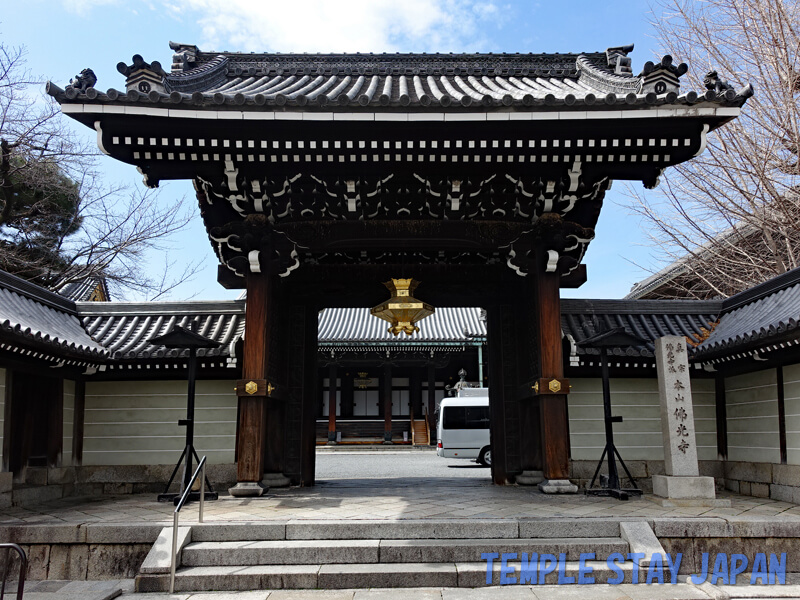
Bukkoji temple
This is the head temple of the Shinshu Bukkoji sect. It is said that the temple originated from a hermitage built in Yamashina by Shinran, who had been exiled to Echigo Province (present-day Niigata Prefecture) and returned to Kyoto.
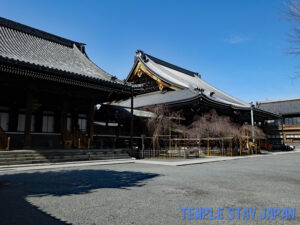
Two large temple halls stand side by side within the temple grounds. There is also a cafe, and it is popular.
more information
Bukkoji temple (Kyoto) : Access ,Highlights , cafe
This is the head temple of the Shinshu Bukkoji sect. Bukkoji Temple is located just off a small side street, away from the bustling Shijo Karasuma shopping arcade. Upon entering the temple grounds, the first thing that caught my eye were the two large halls. There was a cafe on the temple grounds, so I had a meal there.
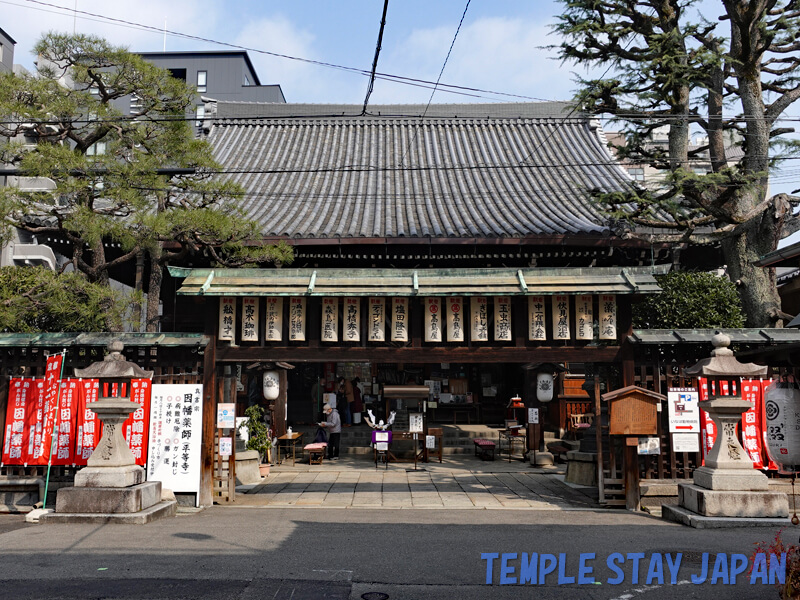
Inaba-do Byodoji temple
About 1000 years ago, there was a nobleman named Tachibana no Yukihira. He was told in a dream to offer prayers to Bhaisajyaguru (the Medicine Buddha), and he founded Inaba-do Byodoji Temple.
Here, a handmade crafts market is held on the temple grounds on the 8th of every month.
more information
Inabado Byodoji temple (Kyoto) : Handmade market on the 8th of every month
About 1000 years ago, there was a nobleman named Tachibana no Yukihira. He was told in a dream to offer prayers to Bhaisajyaguru (the Medicine Buddha), and he founded Inaba-do Byodoji Temple. Here, a handmade crafts market is held on the temple grounds on the 8th of every month.