Kamigoryo Shrine
|
TEL : 075-441-2260 Address : 495 Kamigoryotatemachi, Kamigyo Ward, Kyoto Access : Karasuma Subway Line Kuramaguchi Station > 3 minutes walk Hours : Opning 9:00 – Closing 17:00 (Subject to seasonal change) Entrance fee : free |
Two historical events associated with Kamigoryo Shrine
This shrine is associated with two important historical events in Kyoto.
One of them is what triggered the relocation of the capital to Kyoto. This shrine was founded in 794, at the same time the capital was moved to Kyoto, to enshrine Emperor Sudo.
This deity was originally a person who died of starvation after being suspected of assassinating the nobleman Fujiwara no Tanetsugu. It was later said that the subsequent epidemic was caused by his curse. The capital was moved to Kyoto, and he was enshrined at this shrine in order to appease his spirit.
Another major event was the outbreak of the Onin War (1467-1477) in this area. The photo below shows a stone monument commemorating that event.
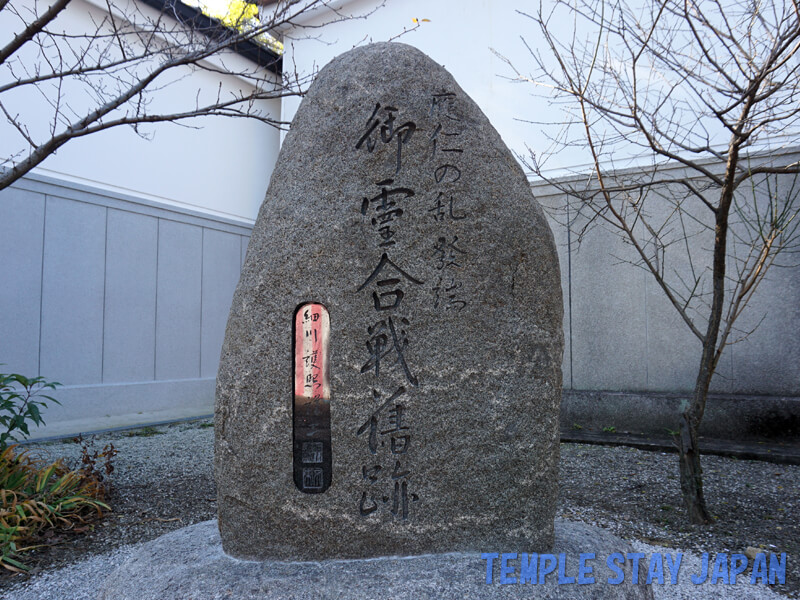
This conflict, sparked by events such as the succession dispute within the Ashikaga shogunal family, engulfed the greater part of Kyoto in the flames of war.
Subsequently, Japan entered the Sengoku period, an era in which “Daimyo” (feudal lords) across the country vied for supremacy.
Photos and Reviews
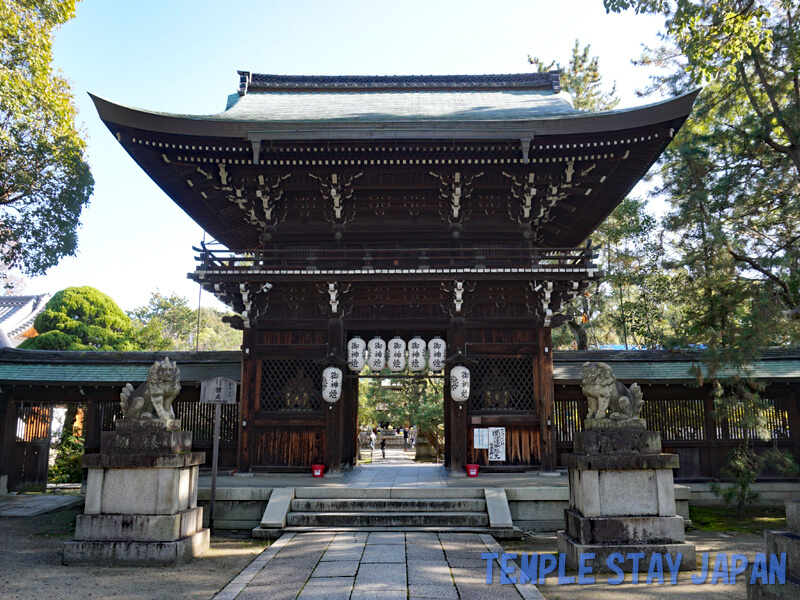
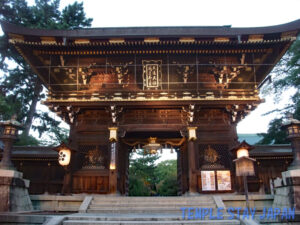
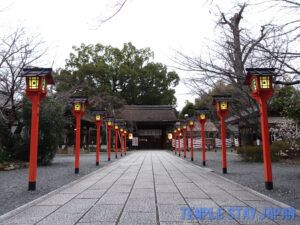
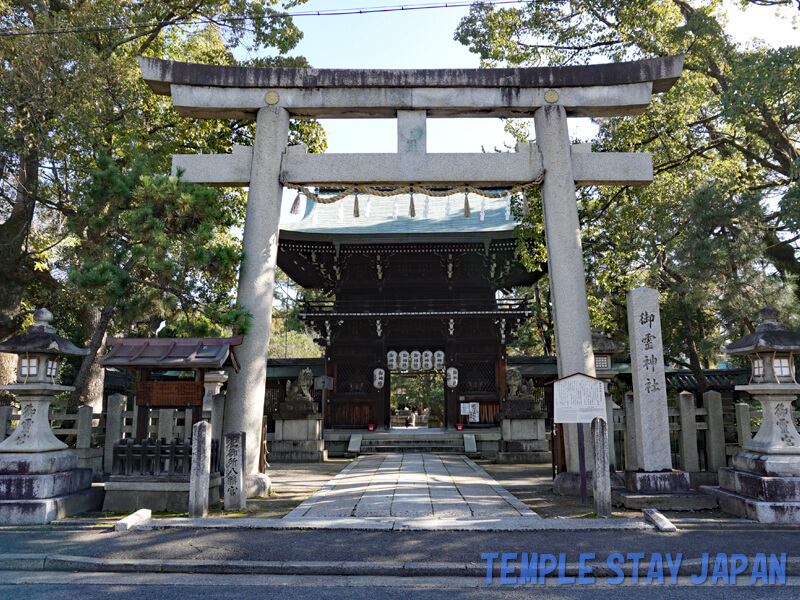
Walking from Kuramaguchi Station, I came upon a torii gate, and beyond it stood a large tower gate. And upon entering the shrine grounds, it was so quiet that one would hardly imagine it had been the scene of a major incident that shook Kyoto.
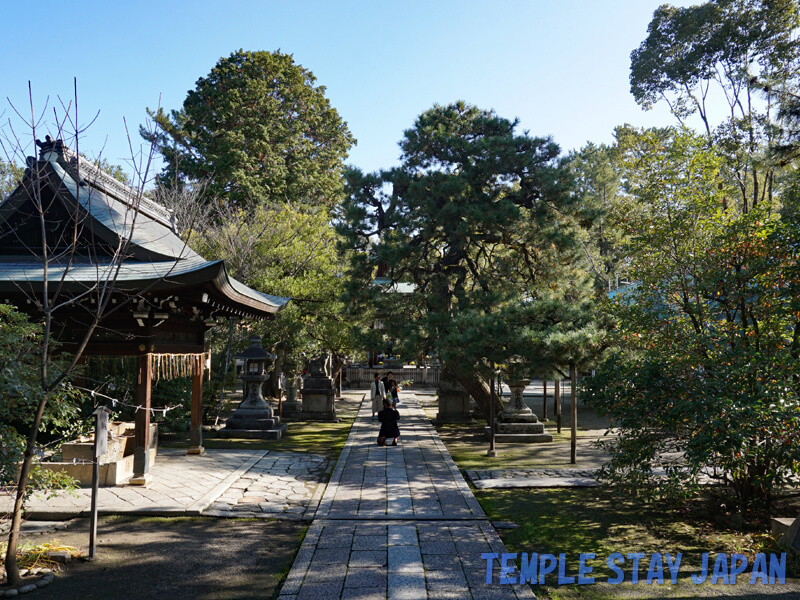
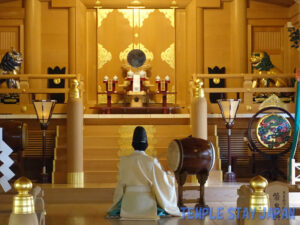
As I walked straight along the approach, I came to the Kagura (Sacred Dance) Hall.
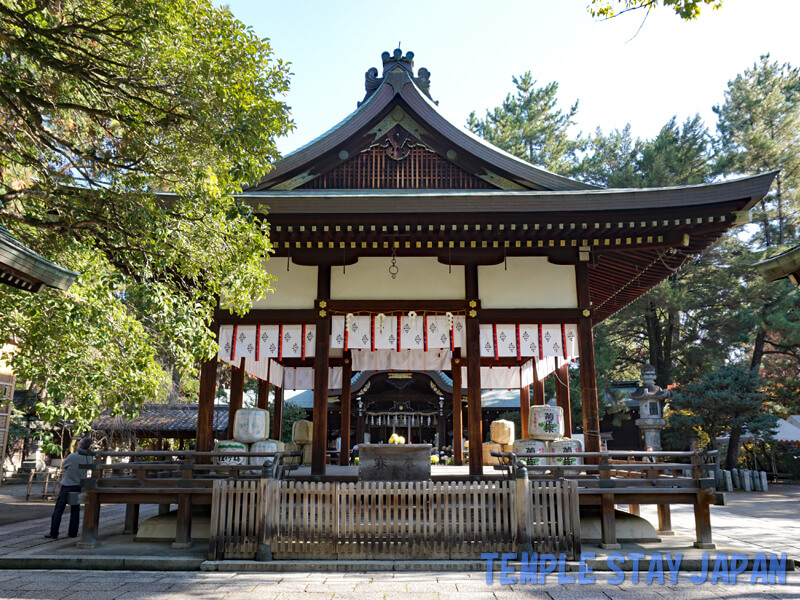
The main hall was located further back. This is a structure of high prestige, relocated from the Imperial Palace.
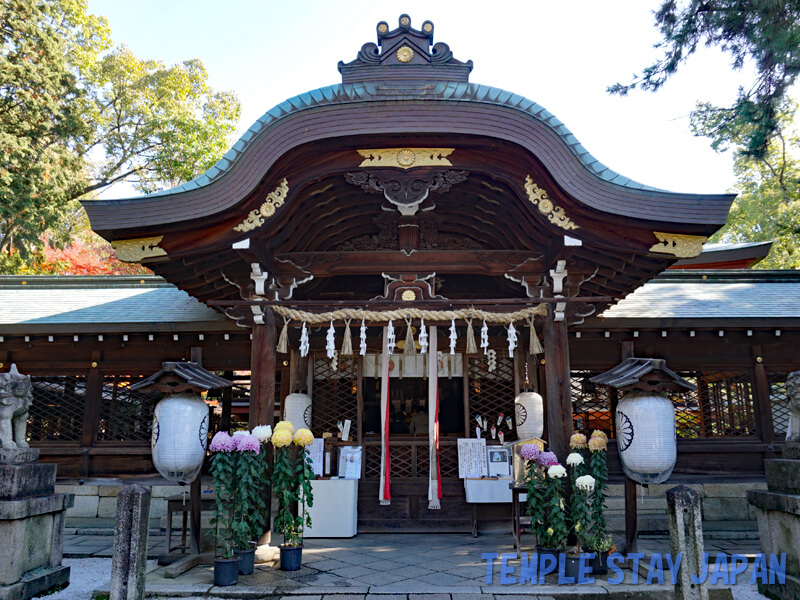
Other Highlights
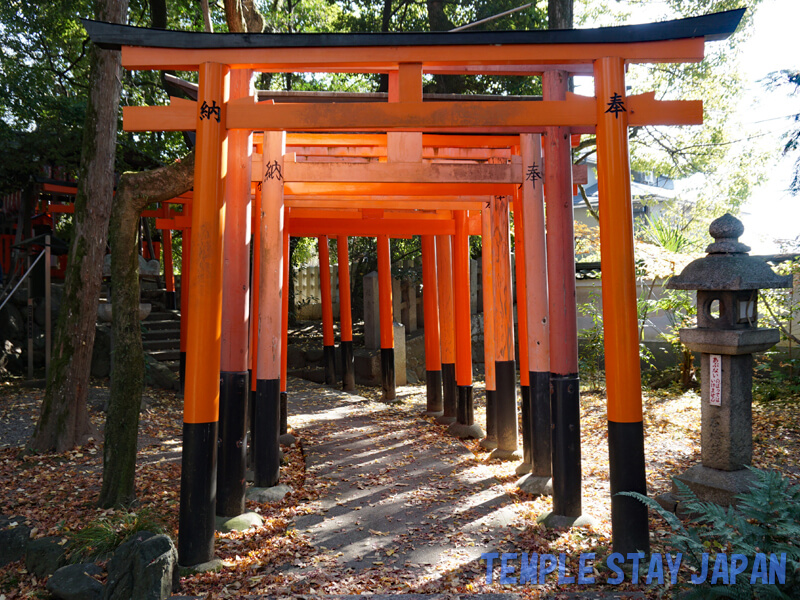
Fukuju Inari Shrine was located towards the back on the right side of the temple grounds. The vermilion torii gates were vivid.
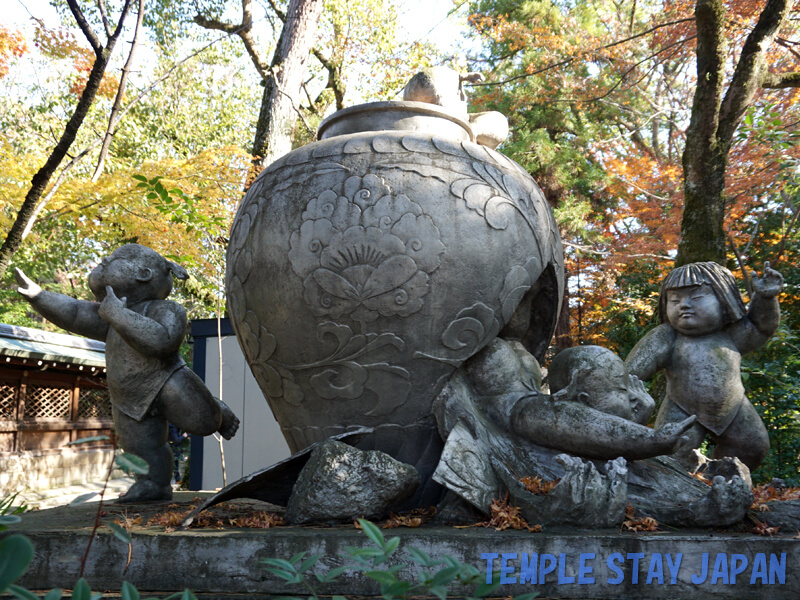
The monument of pure heart caught the eye. This is based on the story of Sima Guang, who saved a friend who had fallen into a water-filled jar by smashing the valuable vessel.
Seasonal Scenery
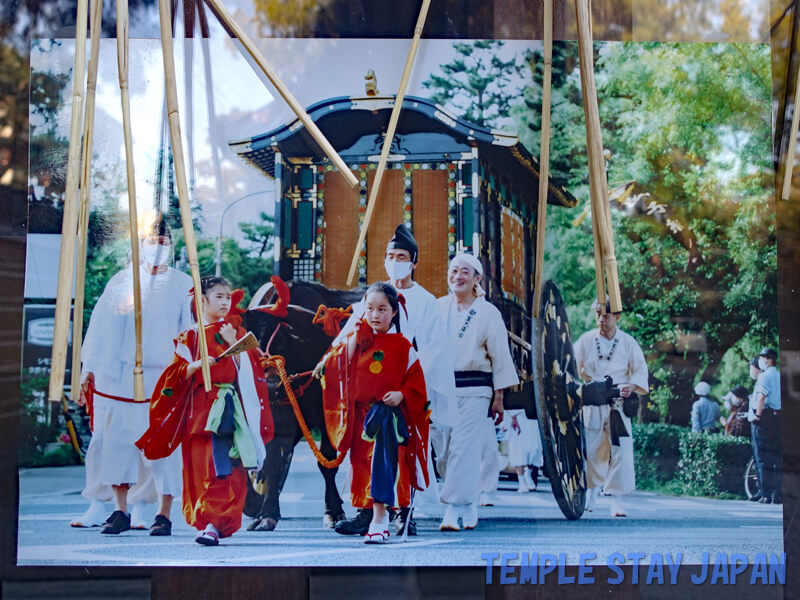
An ox-drawn cart appears at the festival held every year on May 18th. This is a precious item donated by Emperor Goyozei sometime between 1596 and 1615.
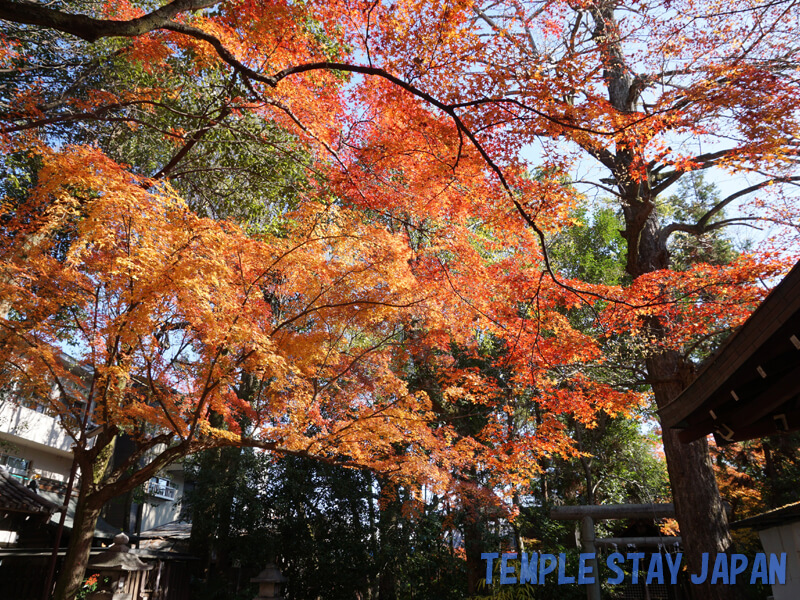
When I visited in the autumn, there was a tree with beautiful autumn foliage.
A flea market is held on the temple grounds on the 18th of every month (except May). Handmade goods, recycled items, antiques, clothing, food products, sweets, and more will be sold.