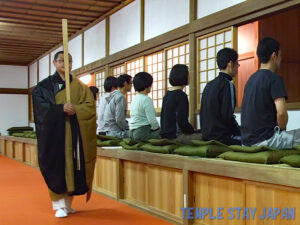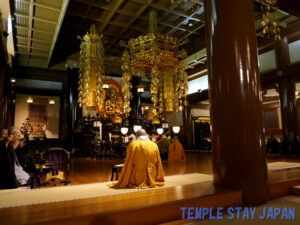
I have stayed at over 100 shukubo (temple and shrine stays). I also received many questions asking me for recommended temple and shrine stays.
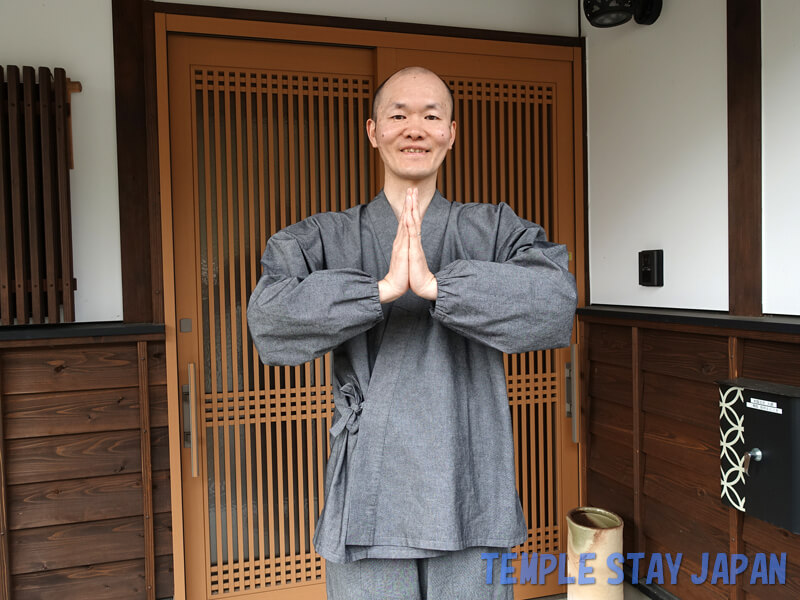
The appeal of shukubo is that you can stay in the tranquil grounds of a temple or shrine. There are also many other things to enjoy, such as viewing cultural assets, experiencing zen meditation and copying sutras, and enjoying Buddhist vegetarian cuisine.
However, what you can do varies depending on the temple stay. This can leave you confused as to which one to choose.
Here are some points to consider when choosing a temple and shrine stay.
How to find the perfect temple stay for you
First, the basic conditions
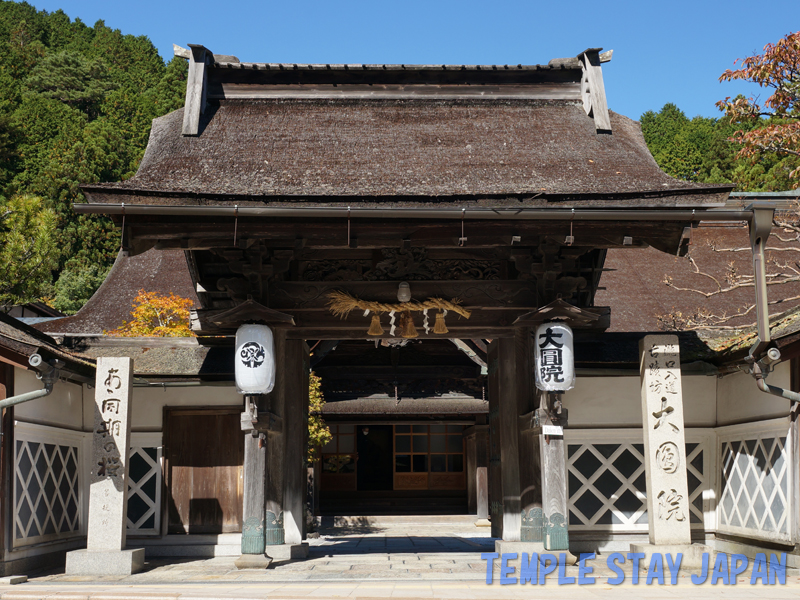
Many temple and shrine stays don’t offer English support. For this reason, you can feel at ease if you choose a temple and shrine stay that can be booked in English.
Accommodation fees are usually around 10,000 to 30,000 yen per person. Some temple and shrine stays where you can rent the entire building are cheaper if you stay as a group.
Think about what you want to do at the temple and shrine stay
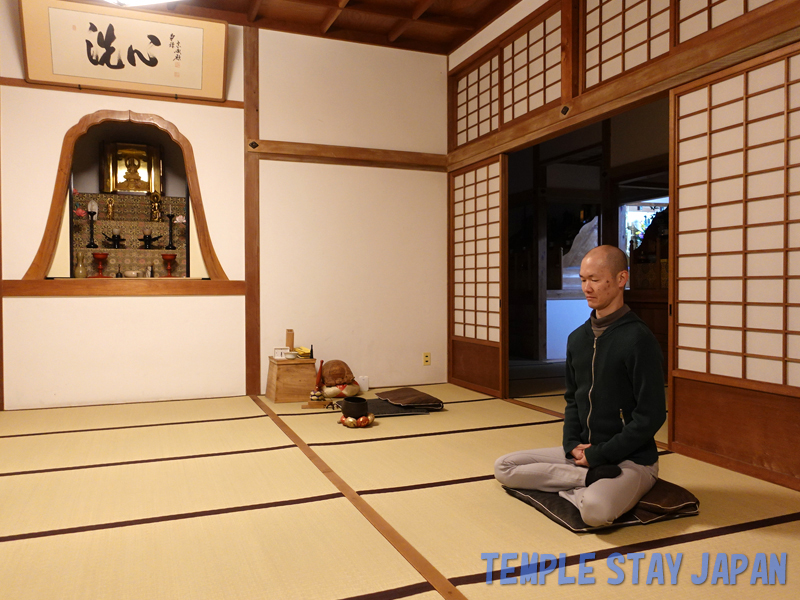
Perhaps you have something you want to do, such as trying zen meditation or copying sutras, eating Buddhist vegetarian cuisine, or viewing wooden buildings, Japanese gardens, and cultural assets.
Also, which is better, a big temple or a small temple? Would a tourist spot like Kyoto be good, or would a remote location rich in nature be better?
Choosing a temple and shrine stay that allows you to do what you want will make your trip more fulfilling.
Three types of temple and shrine stays
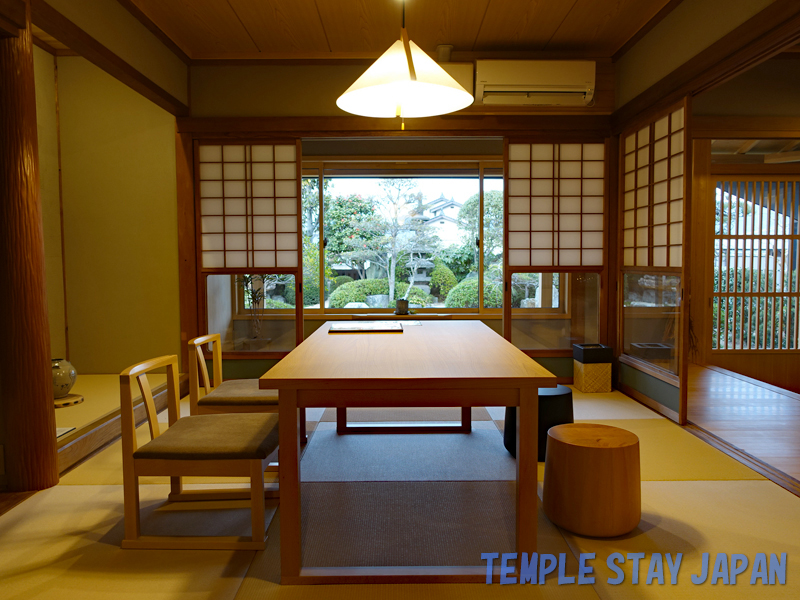
Temple and shrine stay can be broadly divided into three types.
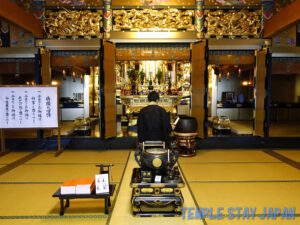
One is built around a large temple or shrine. There are many temple and shrine stays in Koyasan, Zenkoji, Togakushi, Minobusan, Mount Mitake, Mount Ohyama, and the Dewa Sanzan mountains.
These traditions have a long history, dating back to the Edo period (1603-1868) and even before. Among these places are those that have ties to feudal warlords and those that preserve valuable cultural assets.
The second type is accommodation facilities built at the head temples of sects or large temples in urban areas. The interior is more like a hotel and some parts are not typical of a temple or shrine, but the facilities are well-equipped and you can stay comfortably.
You can also have experiences that are unique to large temples and shrines, such as being guided around the grounds by a monk and being able to enter halls that are normally off-limits.
The third type is a temple stay built in a small temple, which only accommodates one or a few groups per day. In recent years, the number of lodgings run by local monks has been increasing.
The rooms and facilities tend to have a stylish design. Another feature is that there are many Buddhist experiences available.
Choose by cuisine
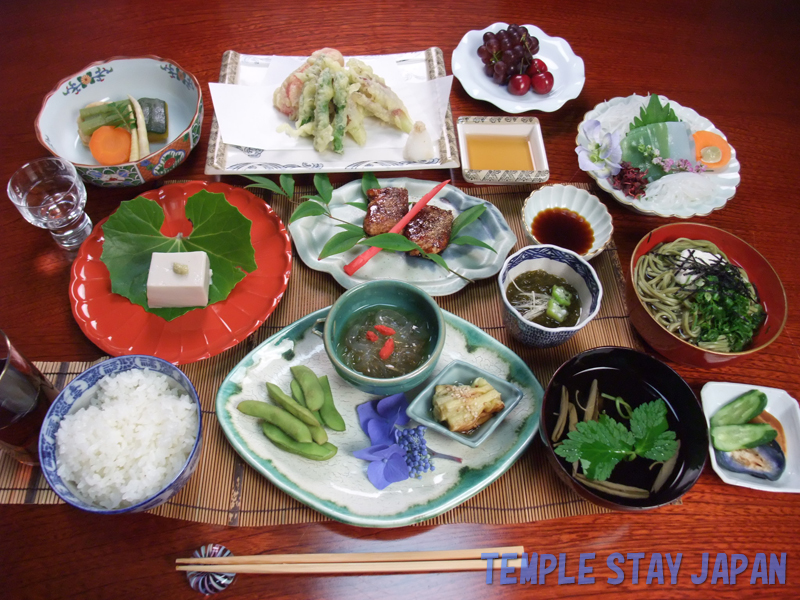
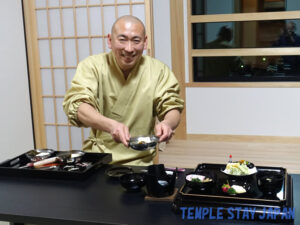
Because Buddhist vegetarian cuisine doesn’t use meat or fish, some people consider it a simple diet. However, the food served at the temple stays is varied and visually stunning.
This is related to the origins of temple stays. In the past, people would travel on foot for dozens of days to visit temples and shrines to pray for a good harvest on behalf of the village. For this reason, meals at the temple stays were also a celebration of successfully completing a pilgrimage.
These traditions have been passed down and it has become a luxurious meal even today. However, based on the spirit of Buddhism, it is important not to use meat or fish, to make food with as little waste as possible, and to use ingenuity in cooking.