Kansai– category –
-

Syunkoin temple (Kyoto) Zazen experience in English
Syunkoin is a sub-temple of Myoshinji Temple that was built in 1590. You can rent out the Hojo, an important cultural property, exclusively for a special Zen experience. Zazen instruction is available in English. If you're interested, please make a reservation and participate. -
Taizoin temple (Kyoto) Japanese garden and zazen experience
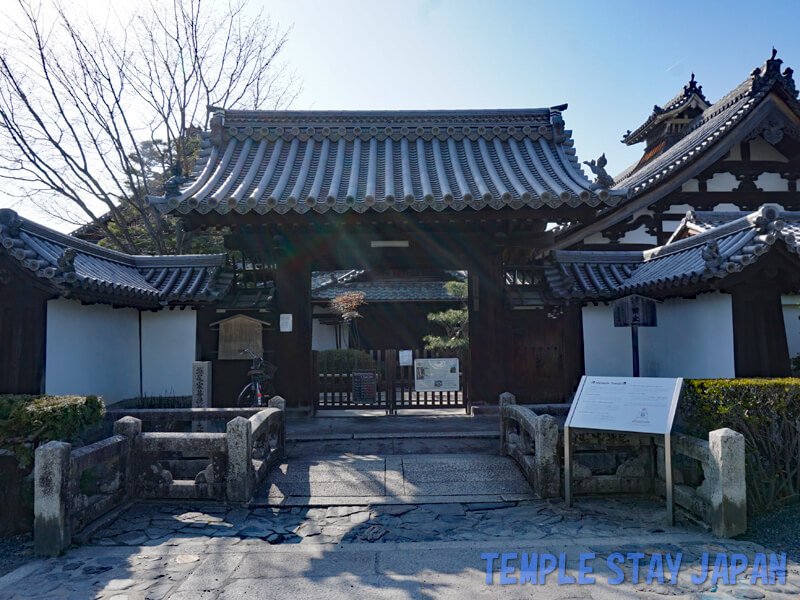
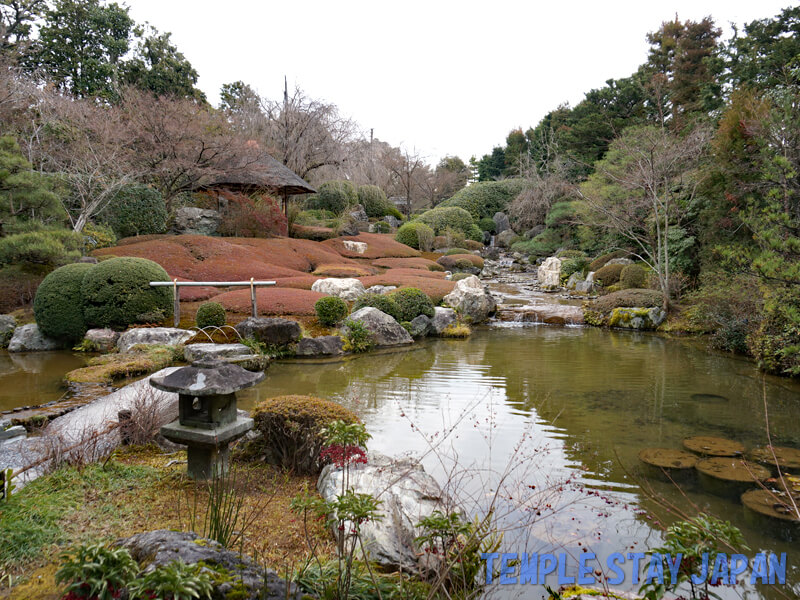
Taizoin is a sub-temple of Myoshinji Temple that was built in 1404. After paying the admission fee and entering the temple grounds, you will find the main hall, an important cultural property. If you go further, you will come across a dry landscape garden and a strolling pond garden. -
Mikane-jinja shrine (Kyoto) A shrine named Money
Mikane-jinja Shrine enshrines the guardian deity of metals and minerals. Gold coins have been minted in this area since ancient times. The name "Mikane" means money in Japanese, so the shrine has become famous as a shrine for financial luck. There is a golden torii gate at the entrance. -
Chionin temple (Kyoto) Morning service
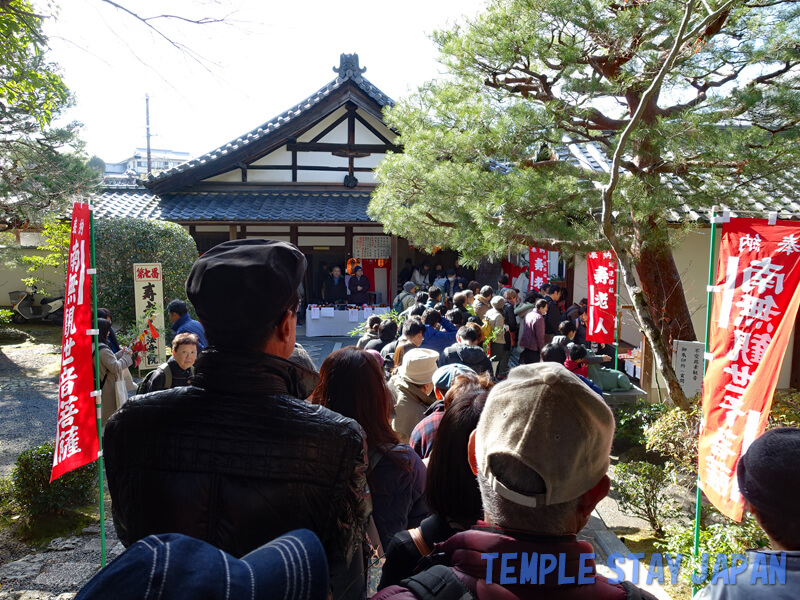
Chionin Temple is the head temple of the Jodo sect. Morning services are held every morning from 6:30 am. No reservations are required and anyone can attend as long as they arrive at the start time. I was allowed to enter the inner sanctuary of the Mieido Hall, which is normally off-limits. -
Tanukidanisan-Fudoin temple (Kyoto) Raccoon dog and cliff-hanging main hall
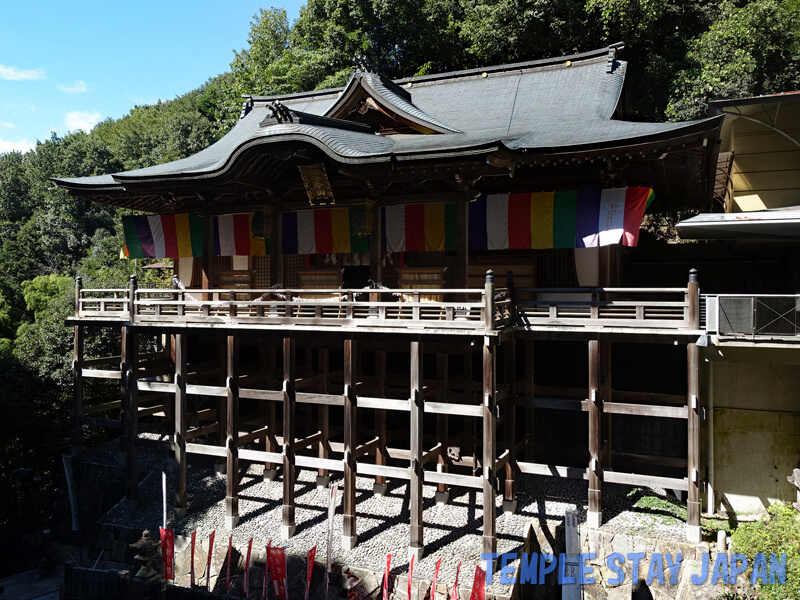
Tanukidanisan-Fudoin Temple is located in the northeastern part of Kyoto City, in a place formerly known as raccoon dog valley. When I reached the entrance to the temple, I was greeted by a row of raccoon dog figurines. The main hall is built in an impressive cliff-hanging style. -
Hoonin temple (Kyoto) Remove suffering with a lasso
Hoonin Temple was founded in 1326. The principal image is the Amoghapasa. Amoghapasa holds a lasso and is said to be able to capture and remove all suffering. I also visited the hall where Jurojin is enshrined. A deer is sitting next to him with a calm expression on its face. -
Fujinomori-jinja shrine (Kyoto) Horse racing fans gather
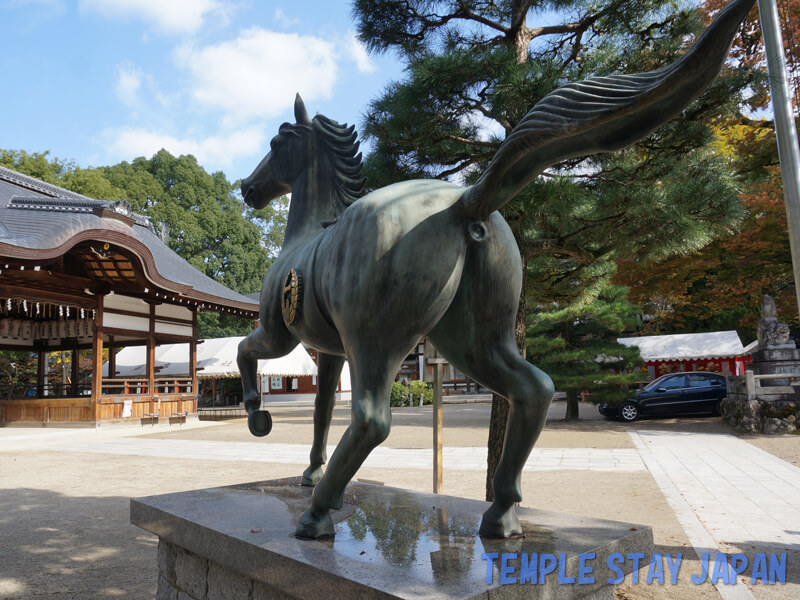
Fujinomori-jinja Shrine was founded about 1,800 years ago. The ritual of running horses has been handed down since ancient times. As a horse shrine, it is visited by many people involved in horse racing, jockeys, and fans. There were a lot of things related to horses in the shrine grounds. -
Kitano-Tenmangu shrine (Kyoto) The head shrine of Tenmangu Shrines
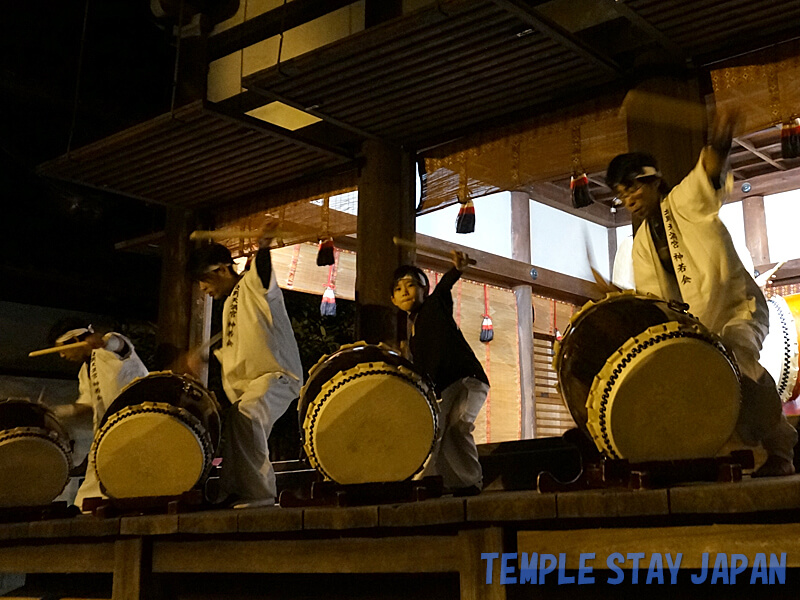
Kitano-Tenmangu Shrine was founded in 947. The shrine enshrines Sugawara no Michizane, who is known for granting academic benefits. It is the head shrine of the approximately 12,000 Tenmangu shrines and Tenjin shrines throughout Japan. There is a festival on the 25th of every month. -
Shonenji temple (Kyoto) Temple saved by a cat
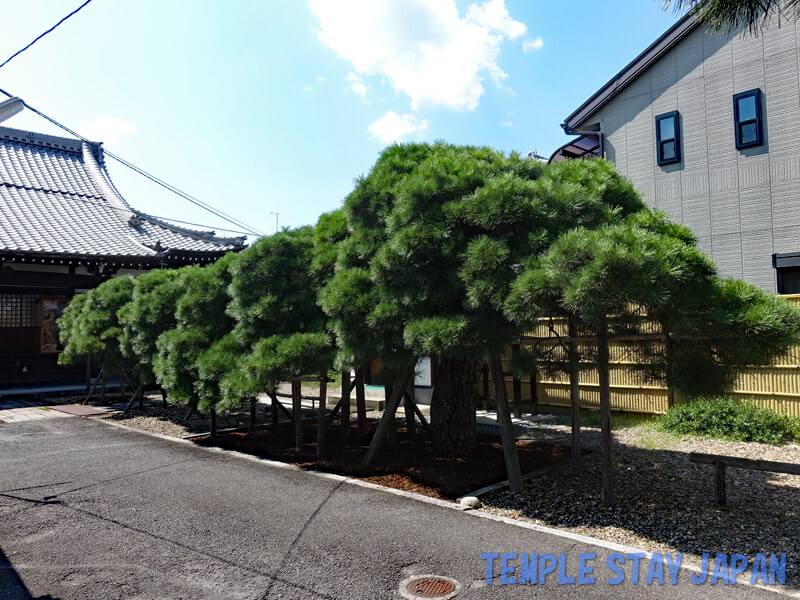
Shonenji Temple was founded in 1606. The story goes that when the temple fell into ruin, a cat kept by the head priest connected with the lord and helped the temple to be restored. The pine tree in the temple grounds is said to represent a lying down cat. There were signs and charms with illustrations of cats on them. -
Sokujoin temple (Kyoto) Amitabha from the Pure Land
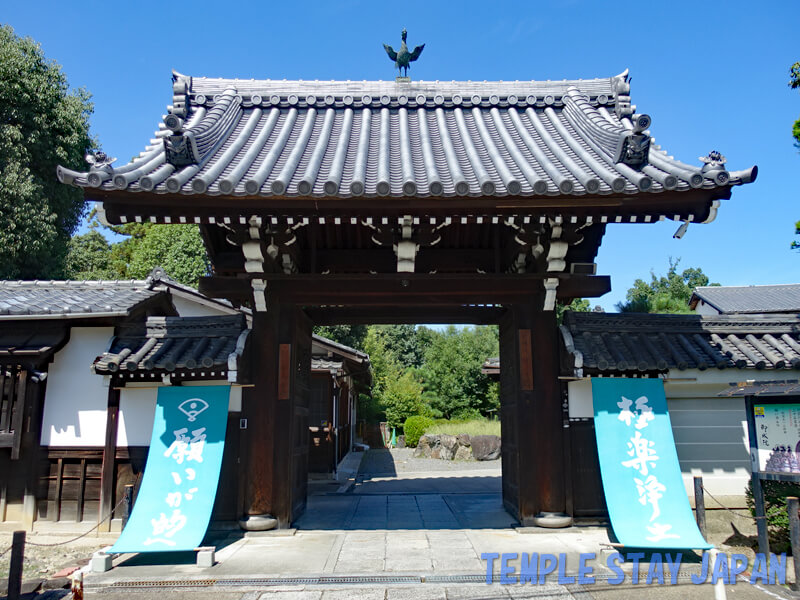
It is said that Amitabha, along with twenty-five Bodhisattvas, comes from the Pure Land to welcome the deceased. Sokujoin Temple has preserved a group of Buddha statues that recreate this scene for nearly 1,000 years.